Can Cats Eat Onions? What Every Cat Owner Needs to Know
- Understanding the Risks: Can Cats Eat Onions?
- Why Onions Are Toxic to Cats
- Signs Your Cat Has Eaten Onions
- What to Do if Your Cat Eats Onions
- How to Prevent Onion Toxicity in Cats
- Why Choose Hidden Brook Veterinary for Your Cat's Care
Understanding the Risks: Can Cats Eat Onions?
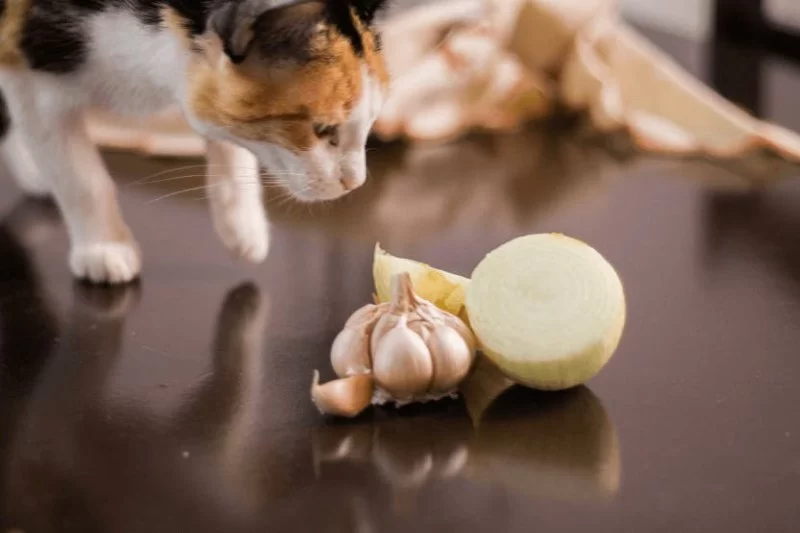
As a cat owner, it’s important to be mindful of what your pet consumes. You may be wondering, "Can cats eat onions?" The simple answer is no. Onions, along with garlic and other members of the allium family, are highly toxic to cats. Even small amounts can lead to serious health problems, making it crucial for cat owners to be aware of the dangers associated with these foods.
Why Onions Are Toxic to Cats
Onions contain compounds called thiosulfates, which are toxic to cats (and dogs). When ingested, thiosulfates can damage red blood cells, leading to a condition known as hemolytic anemia. This results in a decreased ability to carry oxygen in the blood, which can be dangerous if left untreated.
1. Hemolytic Anemia
Hemolytic anemia is the most common result of onion toxicity in cats. When red blood cells are destroyed, your cat's body struggles to transport oxygen, leading to symptoms such as lethargy, weakness, and an increased heart rate. This condition can become life-threatening without proper treatment.
2. Chronic Exposure
While a small, single ingestion of onion might not cause immediate harm, repeated or large exposures can have cumulative toxic effects. Even cooked or dried onions contain thiosulfates, so they are just as dangerous as raw onions.
Signs Your Cat Has Eaten Onions
If you suspect your cat has ingested onions, it’s important to watch for symptoms of toxicity. Onion poisoning typically doesn’t show immediate signs, but symptoms can appear within 24 hours. Here’s what to look out for:
1. Vomiting and Diarrhea
One of the earliest signs of onion toxicity is gastrointestinal upset, which may include vomiting or diarrhea. These symptoms can indicate that your cat's body is trying to expel the toxin.
2. Lethargy and Weakness
If your cat seems unusually tired, weak, or reluctant to move, it may be due to anemia caused by onion consumption. Cats with anemia have a lower energy level because their bodies aren’t getting enough oxygen.
3. Pale Gums and Increased Heart Rate
Pale gums and an increased heart rate are serious signs that your cat may be suffering from anemia. A quick trip to the vet is necessary if you notice these symptoms.
What to Do if Your Cat Eats Onions
If you believe your cat has eaten onions, it's crucial to act quickly. Here’s what you should do:
1. Contact Your Veterinarian Immediately
Time is of the essence. Contact your veterinarian or an emergency animal clinic immediately for advice. Your vet may ask you questions about how much and what type of onion your cat ingested, as well as any symptoms you’ve noticed.
2. Inducing Vomiting (Under Veterinary Supervision)
If the ingestion was recent, your veterinarian might recommend inducing vomiting to expel the onions from your cat’s system. This should only be done under veterinary supervision to ensure your cat’s safety.
3. Treatment for Hemolytic Anemia
If your cat has developed hemolytic anemia, treatment typically includes hospitalization and intravenous fluids to support hydration and circulation. In more severe cases, blood transfusions may be necessary.
How to Prevent Onion Toxicity in Cats
Preventing onion toxicity is easier than you might think. Follow these simple steps to protect your cat:
1. Keep Onions Out of Reach
Store onions and other allium vegetables in places where your cat can’t access them. Be mindful of foods you prepare or serve at home, and make sure your cat doesn’t have access to any leftovers that may contain onions or garlic.
2. Educate Household Members
Make sure everyone in your household is aware of the dangers of feeding onions to cats. This is especially important if you have children or other family members who might unknowingly feed your cat harmful food.
3. Avoid Foods Containing Onions
Check ingredients lists when feeding your cat commercially prepared foods or treats. Some packaged foods, such as baby food or sauces, may contain onion powder or other allium-based ingredients.
Why Choose Hidden Brook Veterinary for Your Cat's Care
At Hidden Brook Veterinary, we understand how much you love your feline companion and want to keep them safe from harm. Our expert team is ready to provide the highest level of care and support if your cat is exposed to toxic foods like onions. With years of experience in handling feline emergencies, we ensure your cat receives the prompt, professional care they need. If you're ever concerned about your cat’s health, don’t hesitate to reach out to us for advice or to schedule a visit.