- why-onions-are-dangerous-for-cats - Why Onions Are Dangerous for Cats
- how-onion-toxicity-affects-cats - How Onion Toxicity Affects a Cat’s Body
- recognizing-symptoms-of-onion-poisoning - Recognizing the Symptoms of Onion Poisoning
- real-life-case-study - A Real-Life Case: When a Cat Accidentally Ate Onions
- safe-alternatives-for-cats - Safe Alternatives to Onions for Cats
- when-to-seek-veterinary-help - When to Seek Help from a Veterinarian
1. Why Onions Are Dangerous for Cats
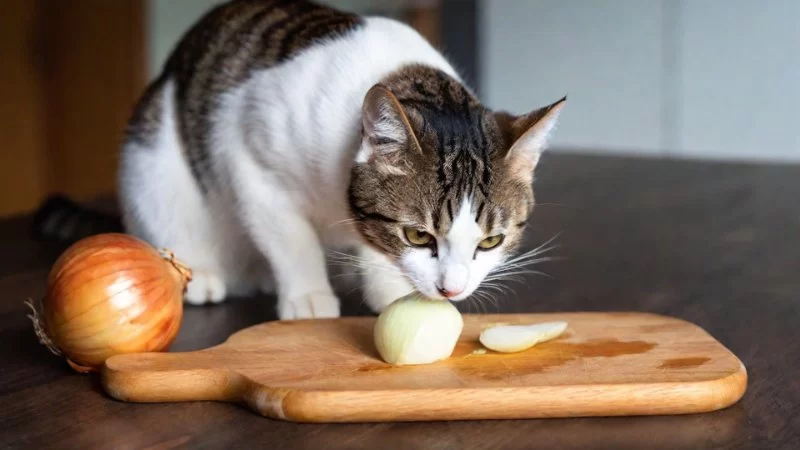
Many cat owners wonder, “Can cats eat onions?” The short answer is no—onions are highly toxic to cats. Even a small amount can cause serious harm. Onions, along with related vegetables such as garlic, leeks, and chives, belong to the Allium family, which contains compounds that are toxic to felines. These compounds, known as disulfides and thiosulfinates, can damage your cat’s red blood cells and lead to a condition called hemolytic anemia.

1.1 Why Cats Are Especially Sensitive
Unlike humans, cats’ bodies cannot process the sulfur-based compounds found in onions. When consumed, these compounds oxidize the red blood cells, making them fragile and prone to rupture. This leads to reduced oxygen transport in the body, which can cause severe fatigue, organ stress, and even death in extreme cases. Even cooked onions or onion powder, commonly found in soups and sauces, are dangerous for cats.
1.2 Common Ways Cats Are Exposed to Onions
Onion exposure often happens accidentally. Cats might eat table scraps, lick plates, or consume small amounts of onion-flavored food. Onion powder is particularly risky—it’s concentrated, and even a teaspoon can cause harm to a cat. Pet owners should always read ingredient labels carefully and avoid feeding any human foods unless they are confirmed safe by a veterinarian.
2. How Onion Toxicity Affects a Cat’s Body
When a cat ingests onions, toxic compounds enter its bloodstream and begin destroying red blood cells. This condition is called Heinz body anemia. Over time, the cat’s body can’t produce new red blood cells fast enough to replace the damaged ones, leading to oxygen deprivation. This process can take several days to manifest, making it difficult for owners to realize the danger immediately.
2.1 The Hidden Dangers of Onion-Containing Foods
Even foods that don’t taste strongly of onion can still be dangerous. Commercial gravies, meat seasonings, and baby food often contain onion powder. Some cat owners might think a small bite won’t hurt—but for a cat weighing just 10 pounds, as little as 1 gram of onion per kilogram of body weight can be toxic. That means a few bites of onion-flavored meat could be enough to cause serious illness.
2.2 Why Onion Poisoning Can Be Delayed
One of the most dangerous aspects of onion poisoning is that symptoms might not appear for several days. By the time a cat shows visible signs of sickness, the damage to red blood cells may already be extensive. This delay often causes pet owners to overlook the initial cause of illness, which is why immediate veterinary attention is crucial if you suspect onion ingestion.
3. Recognizing the Symptoms of Onion Poisoning
Recognizing onion poisoning early can save your cat’s life. Symptoms can vary depending on how much onion was consumed and how long ago it was ingested, but the following are the most common signs of onion toxicity:
3.1 Common Symptoms
Watch for the following red flags:
- Lethargy or weakness
- Loss of appetite
- Vomiting or diarrhea
- Pale or yellowish gums
- Rapid breathing or panting
- Dark-colored urine (a sign of blood cell breakdown)
- Collapse in severe cases
3.2 Why Immediate Action Matters
Because the effects of onion poisoning worsen over time, immediate action is essential. If your cat has eaten onions or any food containing onion, do not wait for symptoms to appear. Contact a veterinarian immediately. They may induce vomiting, administer activated charcoal, or provide IV fluids to help flush out toxins and protect your cat’s organs.
4. A Real-Life Case: When a Cat Accidentally Ate Onions
One notable case involved a cat named Luna, whose owner shared her story online. Luna accidentally ate a few bites of chicken cooked with onion powder. Within 48 hours, Luna became unusually tired and refused to eat. Her owner took her to the vet, where tests revealed she had developed Heinz body anemia. Fortunately, with prompt treatment—including IV fluids and oxygen therapy—Luna made a full recovery. This real-life example shows how quickly onions can harm cats, even in small quantities.
4.1 What Luna’s Case Teaches Pet Owners
Luna’s story highlights the importance of awareness. Even if you believe your cat only had a “tiny taste,” it’s never worth the risk. Many cat owners underestimate how potent onion toxicity can be. If Luna’s owner had waited longer, the outcome could have been fatal. Awareness and quick response make all the difference.
5. Safe Alternatives to Onions for Cats
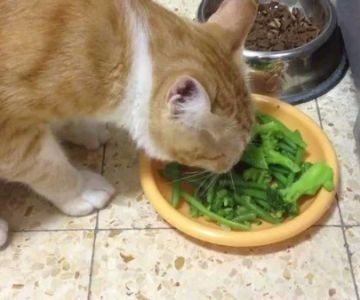
While onions are toxic, there are many safe and healthy food alternatives that cats can enjoy. For example, small portions of cooked plain chicken, turkey, or fish are excellent sources of protein. You can also provide cat-safe vegetables such as carrots, pumpkin, or green beans in moderation. These options give your cat a nutritional boost without any risk of toxicity.
5.1 Treating Your Cat Safely
When offering treats or homemade meals, keep the recipes simple and free from seasonings, especially onions, garlic, and salt. Commercial cat treats and high-quality canned foods are specifically formulated to meet feline nutritional needs. If you want personalized recommendations, Hidden Brook Veterinary can provide expert advice on balanced diets and safe treats for your furry friend.
6. When to Seek Help from a Veterinarian
If you suspect your cat has eaten onions, time is of the essence. Contact your veterinarian immediately, even if your cat seems fine at first. Onion toxicity can develop over hours or days, and early intervention gives your pet the best chance at a full recovery. At Hidden Brook Veterinary, our team specializes in diagnosing and treating feline poisoning cases with compassion and expertise. Never wait for symptoms—your quick action could save your cat’s life.
6.1 Prevention Is Always Better
Keep onions and onion-containing foods out of your cat’s reach. Store leftovers securely and avoid feeding your cat from your plate. Educate everyone in your household about the risks. With awareness and prevention, you can ensure your cat stays safe and healthy for years to come.