Can Cats Eat Nut Butter? A Guide for Pet Owners
1. Introduction: Understanding the Appeal of Nut Butter for Cats
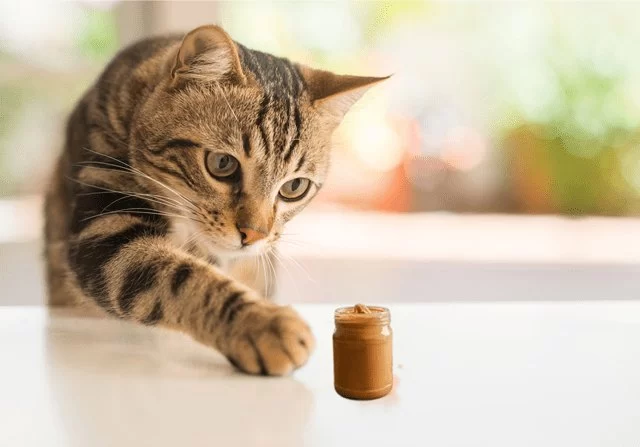
As pet owners, it's common to wonder whether we can share certain human foods with our feline friends. Nut butter, especially peanut butter or almond butter, is a popular snack for humans, but can cats eat nut butter? The short answer is that while some nut butters may be safe for cats in moderation, they should not be given as a regular treat. Let's explore why, and what you should know before offering this snack to your cat.
2. Is Nut Butter Safe for Cats?
Nut butter, especially peanut butter and almond butter, contains ingredients that may seem harmless to us, but can present some risks for cats. Many types of nut butters are made with added sugar, salt, or artificial sweeteners like xylitol, which is toxic to cats. Even if the nut butter doesn't contain these harmful additives, it is still high in fats and calories, which can contribute to obesity if consumed in excess.
3. The Potential Health Risks of Nut Butter for Cats
While the natural fats in nuts may not be toxic to cats, their digestive systems aren't designed to process such rich foods. Here are some potential health risks:
- Obesity: Cats can easily gain weight if they consume too many high-fat foods like nut butter. This could lead to obesity, which is associated with several health issues, including diabetes and joint problems.
- Pancreatitis: Rich, fatty foods can lead to inflammation of the pancreas, known as pancreatitis, which can be very serious for cats.
- Xylitol Poisoning: Some brands of nut butter contain xylitol, a sweetener that is toxic to cats. Even small amounts can cause liver damage and hypoglycemia (low blood sugar).
4. Benefits of Nut Butter (In Moderation)
While nut butter should not be a regular part of your cat's diet, it can offer some benefits when used sparingly:
- Protein: Nut butter contains protein, which can be beneficial for cats in small amounts. Protein is an essential nutrient for feline health, supporting muscle mass and overall body function.
- Healthy Fats: Healthy fats found in nut butter, such as omega-3 fatty acids, can support your cat's skin, coat, and brain function, although these should still be given in moderation.
5. How to Safely Offer Nut Butter to Your Cat
If you decide to give your cat a taste of nut butter, there are a few important guidelines to follow:
- Choose a Safe Brand: Always check the ingredient list for harmful additives like sugar, salt, or xylitol. Opt for natural nut butters with minimal ingredients, preferably without added sweeteners or preservatives.
- Small Quantities Only: Even if the nut butter is safe, only offer it in small amounts. A tiny dab on your cat's paw or placed on a treat is enough.
- Monitor for Reactions: After giving your cat nut butter, keep an eye out for any signs of discomfort, such as vomiting, diarrhea, or lethargy. If you notice anything unusual, contact your veterinarian immediately.
6. Alternatives to Nut Butter for Cats
If you're looking for other tasty treats to offer your cat, consider healthier options that are specifically designed for feline diets. Here are some alternatives:
- Catnip: A safe and enjoyable treat for many cats, catnip can stimulate your cat's senses without the health risks associated with human foods.
- Wet Cat Food: High-quality wet food can be a tasty and nutritious alternative, providing both hydration and protein.
- Cat Treats: Many pet stores offer cat treats that are both healthy and delicious. Look for treats with added vitamins and minerals to support your cat's overall well-being.
7. Conclusion
In conclusion, while nut butter is not toxic to cats, it should be considered an occasional treat and not a staple in their diet. Offering nut butter in moderation and ensuring it doesn't contain harmful ingredients like xylitol or excessive sugar can help keep your cat safe. Always keep in mind that a balanced, cat-friendly diet is the best way to promote your feline's health. If you're ever in doubt about what foods are safe for your cat, consult with your veterinarian. For more pet care tips, visit 【Hidden Brook Veterinary】 for trusted advice and pet products.