- 1 - Understanding What Honey Mustard Is
- 2 - Can Cats Eat Honey Mustard?
- 3 - Health Risks of Honey Mustard for Cats
- 4 - Real Cases and Stories of Cats and Condiments
- 5 - Safe Alternatives to Honey Mustard for Cats
- 6 - Expert Advice on Cats and Human Foods
- 7 - Trusted Recommendations from Hidden Brook Veterinary
1 - Understanding What Honey Mustard Is
1.1 Ingredients commonly found in honey mustard
Honey mustard combines honey, mustard seeds, vinegar, and spices. While it’s a tasty condiment for humans, these ingredients aren’t designed for feline digestion and may pose risks when consumed by cats.
1.2 Why humans love it but cats may struggle
Humans enjoy honey mustard for its sweet-and-tangy flavor, often used with chicken or salads. Cats, however, have very different taste receptors and digestive systems that don’t process sugars, vinegar, or spicy components well.
2 - Can Cats Eat Honey Mustard?
2.1 The short answer
Cats should not eat honey mustard. Even small amounts can cause stomach upset or discomfort due to sugars, spices, and vinegar that are not suitable for feline digestion.
2.2 Why cats may still try it
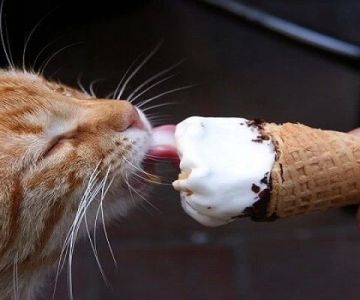
Curiosity often drives cats to lick or taste food left unattended. The creamy texture of honey mustard can attract cats even if they don’t enjoy the flavor.
3 - Health Risks of Honey Mustard for Cats
3.1 Digestive upset
The sugar and vinegar content in honey mustard can lead to vomiting, diarrhea, or abdominal discomfort in cats. Even a small lick may upset sensitive stomachs.
3.2 Toxic ingredients
Some mustard varieties contain garlic or onion powder, both toxic to cats. Even trace amounts can harm red blood cells and cause long-term health issues.
3.3 Long-term consequences
Frequent exposure to sugary or spicy condiments may contribute to obesity, diabetes, or liver strain, especially in older or already vulnerable cats.
4 - Real Cases and Stories of Cats and Condiments
4.1 The curious kitchen cat
A pet owner once shared online how their curious cat licked honey mustard sauce from a plate. The cat soon showed signs of stomach upset, including vomiting. A quick vet consultation helped the pet recover within a day, highlighting why vigilance is key.
4.2 Lessons from rescue shelters
Shelter workers often remind adopters to avoid leaving condiments like honey mustard accessible. They report that cats are surprisingly drawn to human foods, even those harmful to them, leading to emergency vet visits.
5 - Safe Alternatives to Honey Mustard for Cats
5.1 Healthy treats cats can enjoy
Instead of condiments, cats should be offered plain cooked chicken, turkey, or specialized cat treats designed for their digestive systems.
5.2 Natural flavor enhancers
Small portions of plain pumpkin or tuna water can be used as safe and tasty meal toppers for cats without the risks of spices and sugars.
5.3 Keeping temptation away
Storing sauces in sealed containers and cleaning plates promptly reduces the chances of cats sneaking harmful foods.
6 - Expert Advice on Cats and Human Foods
6.1 Why veterinary input matters
Veterinarians emphasize that cats’ digestive systems are built for protein-rich diets. Introducing condiments or processed human foods disrupts their natural balance and can trigger health issues.
6.2 How to respond if your cat eats honey mustard
If your cat consumes honey mustard, monitor closely for symptoms like vomiting or diarrhea. Seek veterinary advice if symptoms persist, as intervention may be necessary.
7 - Trusted Recommendations from Hidden Brook Veterinary
7.1 Guidance on safe feline diets
Hidden Brook Veterinary offers expert resources on safe feline nutrition, helping owners understand what cats can and cannot eat.
7.2 Professional care for digestive issues
If your cat experiences discomfort after eating unsafe foods, Hidden Brook Veterinary provides trusted diagnostic and treatment options tailored to each pet’s needs.
7.3 Supporting long-term feline wellness
With personalized recommendations, Hidden Brook Veterinary helps cat owners create safe, nutritious meal plans that support a healthy and happy life for their pets.