- #Can-cats-eat-honey-biscuits—understanding-what’s-safe-and-what’s-not
- #How-ingredients-in-honey-biscuits-affect-a-cat’s-diet-and-health
- #Recognizing-risks-and-signs-of-food-intolerance-in-cats
- #Real-stories-from-pet-owners-curious-about-sharing-sweets
- #Professional-guidance-and-support-from-Hidden-Brook-Veterinary
Can Cats Eat Honey Biscuits—Understanding What’s Safe and What’s Not
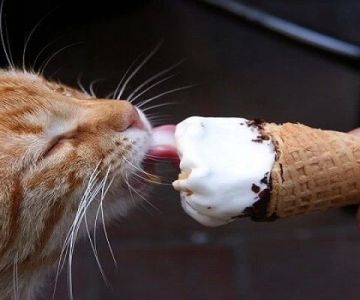
Many pet owners wonder, Can cats eat honey biscuits, especially when their furry companions stare longingly at a sweet treat on the table. While honey biscuits may seem harmless—after all, they’re just simple baked goods—the reality is more nuanced. Cats have very sensitive digestive systems, and their bodies are not built to process sugary or high-carbohydrate foods the way humans can.
Honey itself isn’t toxic to cats, but the combination of sugar, butter, flour, and sometimes added flavorings in biscuits makes them unsuitable as a regular or intentional snack. Cats are obligate carnivores, meaning their bodies thrive on animal-based proteins rather than carbohydrates. So even if a cat tastes a crumb of a honey biscuit, it doesn’t mean it’s a safe or beneficial food.
For pet owners unsure about what snacks are appropriate, exploring recommendations at Hidden Brook Veterinary can offer better alternatives tailored to your cat’s nutritional needs.
VCA Arboretum View Animal Hospital, 2551 Warrenville Rd, Downers Grove, IL 60515, USA
See DetailsHow Ingredients in Honey Biscuits Affect a Cat’s Diet and Health
To understand whether honey biscuits are safe for cats, it helps to look at the ingredients closely. Every component—though harmless to humans—affects cats differently because their metabolic system handles food in a unique way.
1. Sugar and sweeteners are not suitable for cats
Cats cannot taste sweetness due to the absence of specific taste receptors. More importantly, sugary foods can contribute to obesity, dental problems, and digestive upset. Even small amounts of sugar can trigger symptoms like lethargy or vomiting in particularly sensitive cats.
2. Butter and fats can be difficult to digest
Many honey biscuits use butter or oils that may upset a cat's stomach. Cats can develop diarrhea or stomach cramps when exposed to fats their digestive systems aren’t accustomed to. Over time, excessive fat intake can strain their pancreas.
3. Flour and carbohydrates offer little nutritional value
Since cats derive energy primarily from protein, the carbohydrates in biscuits provide no meaningful benefit. Some cats even have mild wheat sensitivities, leading to itching or digestive issues.
Pet owners wanting to provide safe treats often browse options at Hidden Brook Veterinary, where species-appropriate snacks support a healthy diet without unnecessary risks.

Recognizing Risks and Signs of Food Intolerance in Cats
Sharing food with pets is a common human habit, but even seemingly harmless snacks can cause unexpected reactions. Understanding the risks behind honey biscuits helps ensure your cat stays healthy.
1. Digestive discomfort
After consuming sugary or high-fat foods, cats may experience vomiting, diarrhea, or bloating. These symptoms may appear mild but can escalate if the cat has underlying issues.
2. Allergic reactions
While rare, some cats may react to wheat, dairy, or additives commonly found in biscuits. Signs include itchy skin, excessive grooming, or mild swelling around the face.
3. Blood sugar fluctuations
Cats with diabetes or those predisposed to the condition should never be given sugary treats. Even healthy cats can experience temporary imbalances if they consume high-sugar foods.
If you ever notice concerning symptoms after your cat eats something unfamiliar, consulting professionals—such as those available through Hidden Brook Veterinary—can provide peace of mind and accurate guidance.
Real Stories From Pet Owners Curious About Sharing Sweets
Online communities are full of stories from cat owners who wondered whether it was safe to share a piece of a honey biscuit with their pet. One popular post described a cat who snuck a bite off the counter and later appeared restless and slightly nauseous. While the cat recovered quickly, the experience taught the owner to be more cautious with baked goods.
Another widely shared video featured a curious kitten pawing at a honey biscuit, seemingly amused by the scent but uninterested in actually eating it. Many viewers noted that cats often react to food out of curiosity, not genuine appetite—highlighting why owners should avoid assuming their cat wants to eat something just because it smells interesting.
Stories like these help new pet owners feel less alone in their concerns and encourage them to seek reliable guidance from trusted sources like Hidden Brook Veterinary for healthier treat options.
Professional Guidance and Support From Hidden Brook Veterinary
When considering whether to offer new foods to your cat, it’s always better to rely on expert advice instead of guesswork. While honey biscuits may not be dangerous in tiny accidental amounts, they’re certainly not recommended as a snack. Cats have sensitive digestive systems that thrive on balanced, protein-rich meals.
Hidden Brook Veterinary provides professional support for pet owners seeking safe treat options, dietary guidance, or personalized recommendations. Whether you’re trying to understand specific ingredients, reading food labels more effectively, or building a healthier routine for your pet, expert insight helps you make informed decisions.
Keeping your pet safe often comes down to small choices—and knowing what foods to avoid is an important part of responsible pet care.