- #cats-and-grapes-safety - why-this-question-matters-to-cat-owners
- #can-cats-eat-grapes-or-raisins - current-veterinary-understanding
- #why-grapes-are-dangerous-for-pets - toxicity-uncertainty-and-risk
- #real-life-cases-and-owner-experiences - lessons-from-the-vet-clinic
- #what-to-do-if-your-cat-eats-grapes - immediate-steps-and-monitoring
- #safer-treat-alternatives-for-cats - healthy-options-and-guidance
Why Cat Owners Ask About Grapes and Raisins
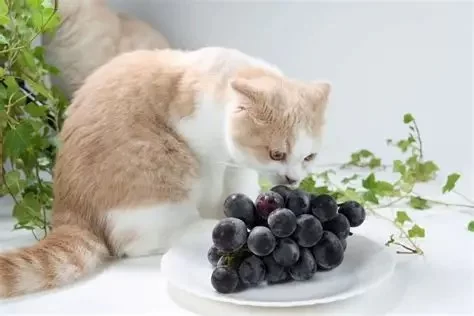
Cats are naturally curious, and many enjoy investigating whatever their humans are eating. This often leads to an important and increasingly common question: Can cats eat grapes or raisins? While grapes are widely known to be dangerous for dogs, confusion remains when it comes to cats, especially because felines are less likely to snack on fruit in the first place.
Even though cats may not actively seek out grapes, accidents happen. A dropped raisin, a curious lick, or a playful bat across the floor can quickly turn into a situation that worries pet owners. Understanding the risks helps prevent panic and supports safer decision-making.

Why This Question Is Taken Seriously by Veterinarians
Veterinary professionals tend to approach grape exposure cautiously in all pets. The lack of definitive answers does not mean the absence of risk. Instead, it highlights the importance of prevention and awareness.

Can Cats Eat Grapes or Raisins According to Current Knowledge?
At this time, veterinarians generally advise against feeding grapes or raisins to cats. While there is less documented evidence of toxicity in cats compared to dogs, grapes and raisins are still considered unsafe. The exact substance that causes harm has not been identified, which makes predicting reactions difficult.
Because cats metabolize foods differently than humans, even small amounts of unfamiliar foods can have unexpected effects. Most veterinary guidance errs on the side of caution, recommending that grapes and raisins be kept completely out of a cat’s diet.
Why “Probably Safe” Is Not Good Enough
One of the challenges with grapes is inconsistency. Some animals show severe reactions, while others appear unaffected. This unpredictability is precisely why veterinarians discourage exposure altogether.
Why Grapes and Raisins Are Considered Dangerous
Grapes and raisins are associated with kidney failure in dogs, and while cats are less commonly affected, their smaller size and unique physiology may increase risk. Even dried raisins can be more concentrated and potentially more dangerous than fresh grapes.
Toxicity Uncertainty and Kidney Health
Kidneys play a vital role in filtering toxins. Any food linked to kidney stress raises concern, especially in cats, who are already prone to kidney disease as they age. Introducing unknown risks is never advisable.
Why Cats May Hide Early Symptoms
Cats are known for masking discomfort. By the time symptoms like lethargy, vomiting, or appetite loss become obvious, a problem may already be advanced. This makes prevention far more effective than reaction.
Real-Life Veterinary Cases and Owner Experiences
Veterinary clinics occasionally report cases where a cat ingested grapes or raisins accidentally. In some instances, the cat showed no immediate symptoms, leading owners to believe the risk was minimal. In other cases, digestive upset or behavioral changes prompted urgent visits.
These mixed outcomes reinforce one consistent message from veterinarians: lack of immediate symptoms does not guarantee safety. Monitoring and professional guidance are always recommended.
What These Stories Teach Cat Owners
The most important lesson is that uncertainty should not be mistaken for safety. Avoiding grapes entirely removes the guesswork and protects your cat’s long-term health.
What to Do If Your Cat Eats Grapes or Raisins
If you suspect your cat has eaten grapes or raisins, contacting a veterinarian promptly is the safest course of action. Early intervention allows professionals to assess risk and recommend appropriate monitoring or treatment.
Immediate Steps and Observation
Do not attempt home remedies without veterinary advice. Instead, note how much was consumed, when it happened, and any changes in behavior. This information helps guide next steps.
When Professional Help Matters Most
Clinics like Hidden Brook Veterinary regularly assist pet owners in evaluating potential toxin exposure and determining whether observation or treatment is needed. Having professional guidance provides reassurance during stressful moments.
Safer Treat Alternatives for Curious Cats
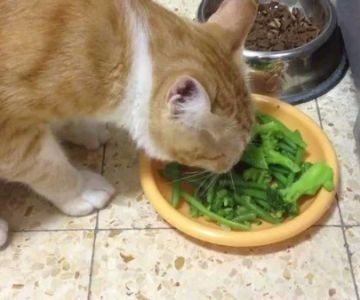
If your cat shows interest in human food, safer alternatives exist. Plain cooked meats, veterinarian-approved treats, or small portions of cat-safe vegetables can satisfy curiosity without risk.
Building Healthy Treat Habits
Treats should always complement, not replace, a balanced feline diet. Offering appropriate options strengthens trust and reduces the chance of unsafe food exposure.
Confidence Through Knowledge
Understanding which foods are unsafe empowers cat owners to create a safer home environment. When in doubt, choosing caution and consulting professionals ensures your cat stays healthy and protected.