1. Hidden Brook Veterinary
  2. Nutrition & Diet

Can Cats Eat Cooked Pork? A Guide for Pet Owners
Can Cats Eat Cooked Pork? A Guide for Pet Owners

1. Understanding Your Cat's Diet

Cats are obligate carnivores, which means their bodies are specifically designed to process animal proteins. Unlike humans or dogs, cats require high levels of animal-based protein for optimal health. This is why feeding them a balanced diet that mimics their natural food intake is essential. Typically, a cat's diet includes protein from meat like chicken, beef, or fish. However, when it comes to feeding them other types of meat, such as pork, it's important to understand the nutritional needs of your pet and how different meats fit into that.

2. Can Cats Eat Cooked Pork?

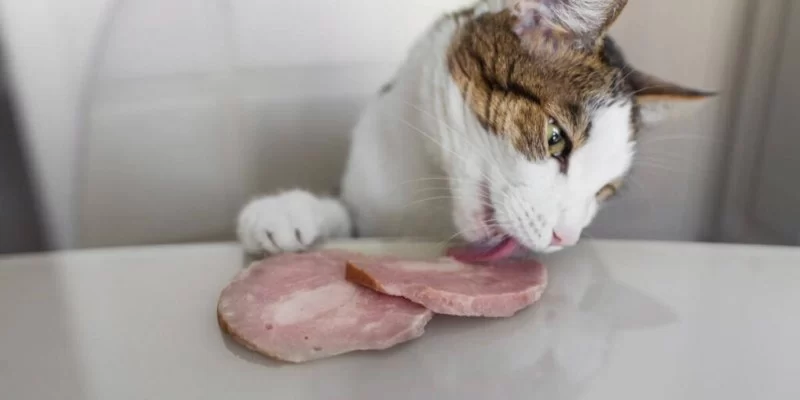
The short answer is yes, cats can eat cooked pork in moderation, but it’s important to be cautious. Pork is a good source of protein and contains several nutrients that cats can benefit from, such as essential amino acids and fatty acids. However, not all pork is suitable for cats, and there are a few things to keep in mind. Firstly, the pork must be cooked thoroughly to ensure it is free of harmful bacteria and parasites. Raw pork can carry Trichinella spiralis, a parasite that can cause trichinosis, which is dangerous for both humans and pets. Cooking the pork at a proper temperature kills these parasites, making it safe for your cat to eat.

3. Potential Risks of Feeding Pork to Cats

While cooked pork is generally safe, there are some risks to consider: - Excessive Fat: Pork can be fatty, and consuming too much fat can lead to obesity, digestive upset, or even pancreatitis, which is an inflammation of the pancreas. It’s best to avoid feeding your cat fatty cuts of pork, such as bacon or sausages. - Seasonings and Additives: Many people cook pork with spices, salt, or sauces. These ingredients can be harmful to cats. Salt can lead to dehydration or sodium poisoning, while certain spices, like garlic and onion, are toxic to cats. Always serve pork plain, without any added seasoning or sauces. - Bones: Like other meats, pork bones should never be given to cats. Cooked bones can splinter and cause choking, blockages, or internal injuries. Always ensure any pork you serve your cat is boneless.

4. Best Ways to Feed Pork to Cats Safely

If you decide to feed your cat pork, follow these guidelines to do so safely: - Cook the Pork Thoroughly: Always cook pork fully to avoid the risk of parasites. Make sure it reaches an internal temperature of at least 145°F (63°C) to ensure it's safe for consumption. - Trim the Fat: Remove excess fat from the pork before feeding it to your cat. Lean cuts, such as pork tenderloin or pork loin, are a better option than fatty cuts like ribs or bacon. - Avoid Seasonings: Serve the pork plain, without any salt, garlic, or other seasonings. You can boil or bake the pork to keep it simple and safe for your pet. - Serve in Small Amounts: Pork should only be an occasional treat, not a regular part of your cat's diet. Offer small, bite-sized portions as an occasional supplement to their main meals.

5. Real-Life Example: A Cat and Pork

To illustrate the impact of pork on cats, let’s look at a real-life example. Sarah, a cat owner, decided to share some cooked pork with her cat, Luna. She carefully prepared the pork, ensuring it was fully cooked and free of bones. However, Sarah seasoned the meat with a bit of salt and garlic, thinking it wouldn’t hurt. After eating the pork, Luna began to show signs of discomfort, including excessive thirst and lethargy. Concerned, Sarah rushed Luna to the vet, where it was discovered that the garlic had caused a mild case of toxicity. Fortunately, with quick treatment, Luna recovered, but the experience served as a valuable lesson for Sarah. This story highlights the importance of avoiding seasonings when feeding cats pork or any other meat. Even a small amount of garlic can be toxic to cats, so it’s essential to always serve meat plain and avoid any added ingredients.