- 1. Can Cats Eat Coconut Oil?
- 2. Benefits of Coconut Oil for Cats
- 3. Risks of Feeding Coconut Oil to Cats
- 4. How to Feed Coconut Oil to Your Cat
- 5. When to Avoid Coconut Oil for Cats
- 6. Explore Pet Care Products at Hidden Brook Veterinary
1. Can Cats Eat Coconut Oil?
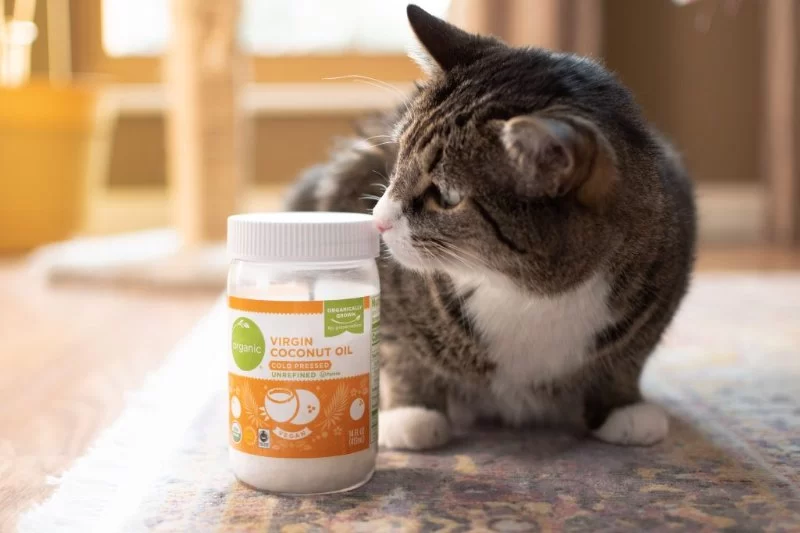
Coconut oil has become increasingly popular as a natural supplement for pets, including cats. But can cats eat coconut oil safely? The short answer is yes, in moderation, coconut oil is generally safe for cats and can provide several health benefits. However, like any supplement, it’s important to use it correctly and understand the potential effects on your cat’s health.
Coconut oil contains healthy fats, including medium-chain triglycerides (MCTs), which can be beneficial for both humans and animals. When used properly, coconut oil can improve your cat’s coat, digestion, and even skin health. However, it’s not a one-size-fits-all solution, and some cats may experience side effects. Let’s dive into the potential benefits and risks of feeding coconut oil to your cat.

2. Benefits of Coconut Oil for Cats
There are several benefits to using coconut oil for your cat, particularly when it comes to their skin, coat, and overall health. Here are a few key reasons why coconut oil can be beneficial for cats:
- Improved Coat and Skin Health: Coconut oil is known to help improve your cat's coat, making it shinier and softer. It can also help soothe dry or irritated skin, making it a good option for cats with dandruff or skin conditions like eczema or flea allergies.
- Digestive Health: Coconut oil can help improve digestion by promoting a healthy gut and balancing bacteria in the digestive tract. It’s especially useful for cats with constipation or digestive issues.
- Boosts Immune System: The medium-chain fatty acids in coconut oil have antibacterial and antiviral properties, which can help strengthen your cat's immune system and protect against infections.
- Weight Management: Coconut oil can support healthy metabolism and fat burning in cats, which may help with weight management. However, it’s important to monitor portion sizes, as too much coconut oil can lead to weight gain.
3. Risks of Feeding Coconut Oil to Cats
While coconut oil can offer several benefits, there are also risks associated with feeding it to your cat. It’s essential to be aware of the potential downsides:
- Excess Calories: Coconut oil is high in fat and calories, so overfeeding your cat could lead to weight gain or digestive issues. It’s important to feed coconut oil in moderation and monitor your cat’s overall caloric intake.
- Upset Stomach or Diarrhea: Some cats may experience gastrointestinal issues like upset stomach, vomiting, or diarrhea if they consume too much coconut oil. Start with small amounts and observe your cat’s reaction.
- Allergic Reactions: Although rare, some cats may be allergic to coconut oil. If you notice signs of an allergic reaction, such as itching, redness, or swelling, stop using the oil and consult your veterinarian.
4. How to Feed Coconut Oil to Your Cat
If you decide to give your cat coconut oil, it’s important to introduce it slowly and use the proper amount. Here are some tips on how to feed coconut oil to your cat:
- Start Small: Begin by offering a small amount of coconut oil—about a quarter to half a teaspoon for cats under 10 pounds and up to one teaspoon for larger cats. Monitor your cat’s reaction and gradually increase the amount if there are no adverse effects.
- Mix with Food: The easiest way to give your cat coconut oil is by mixing it into their food. Most cats won’t mind the taste, but if your cat is picky, you can try warming the coconut oil to make it more palatable.
- Apply Topically: If your cat has dry or irritated skin, you can apply a small amount of coconut oil directly to the affected area. Gently rub it in, and it may help soothe their skin. Just be sure your cat doesn’t lick it off immediately.
5. When to Avoid Coconut Oil for Cats
While coconut oil can be beneficial for many cats, there are situations where it’s best to avoid using it. If your cat has any of the following conditions, it’s important to consult with your veterinarian before introducing coconut oil into their diet:
- Pancreatitis: Cats with pancreatitis or a history of pancreatitis should avoid high-fat foods like coconut oil, as it can exacerbate the condition.
- Obesity: If your cat is overweight or obese, adding extra fat to their diet could worsen the problem. Always check with your vet before adding coconut oil to their food.
- Allergies: If your cat has a known allergy to coconut or other similar oils, it’s best to avoid using coconut oil altogether.
6. Explore Pet Care Products at Hidden Brook Veterinary
If you’re interested in learning more about coconut oil or other natural remedies for your cat’s health, visit Hidden Brook Veterinary. We offer a wide range of pet care products, including dietary supplements, grooming products, and much more to help keep your feline friend healthy and happy.
Visit Hidden Brook Veterinary today to explore our selection and find the right products for your pet’s well-being!