- Can Cats Eat Chicken Feet - What You Need to Know
- Nutritional Value of Chicken Feet for Cats - Benefits and Cautions
- Potential Risks of Feeding Chicken Feet - What to Avoid
- How to Safely Feed Chicken Feet to Cats - Practical Tips
- Expert Insights and Real Experiences - What Veterinarians and Pet Owners Say
- Recommended Products and Care Guidance - Visit Hidden Brook Veterinary
1. Can Cats Eat Chicken Feet - What You Need to Know
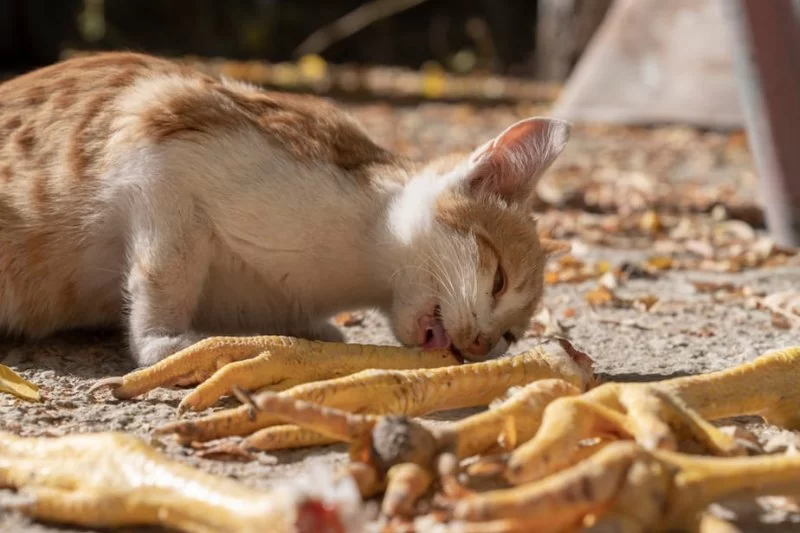
Many cat owners wonder whether chicken feet are a safe and nutritious treat for their feline friends. The short answer is yes — cats can eat chicken feet, but only when prepared properly and fed in moderation. Chicken feet are rich in collagen, glucosamine, and chondroitin, which are excellent for joint health and coat condition. However, they must be handled with care to ensure they are both safe and beneficial.
Chicken feet have become increasingly popular among pet owners who seek natural, unprocessed treats. They can support dental health by helping to scrape away plaque as cats chew, but there are important safety details to consider before serving them.

2. Nutritional Value of Chicken Feet for Cats - Benefits and Cautions
Chicken feet are packed with essential nutrients that can complement your cat’s diet. They primarily consist of connective tissue, bone, skin, and cartilage. Here’s what makes them appealing:

2.1 Rich in Collagen and Protein
Collagen helps improve your cat’s skin elasticity and fur quality, while also supporting joint mobility. The protein content aids in muscle development and repair, especially for active or aging cats.
2.2 Natural Source of Glucosamine and Chondroitin
These compounds naturally occur in chicken feet and are known to support joint health. They can be particularly beneficial for senior cats prone to arthritis or stiffness.
2.3 Dental Health Support
When given raw or freeze-dried, chicken feet can serve as a natural toothbrush. Chewing helps remove tartar buildup, keeping teeth strong and gums healthy. However, this benefit only applies if the feet are raw or properly dehydrated — cooked bones can splinter and cause serious injury.
3. Potential Risks of Feeding Chicken Feet - What to Avoid
While chicken feet have undeniable benefits, there are also risks that pet owners should not overlook. Cooked chicken bones can splinter, posing a choking hazard or internal injury risk. Always serve raw or freeze-dried feet designed for pets. Avoid giving store-bought or leftover cooked ones.
3.1 Bacterial Contamination
Raw poultry can carry bacteria like salmonella. Always source chicken feet from trusted suppliers or pet stores specializing in raw diets. Freezing before feeding can help minimize bacterial risk.
3.2 Overfeeding and Digestive Issues
Chicken feet are high in protein and fat. Overfeeding can lead to weight gain or digestive upset. They should be considered an occasional treat, not a daily meal replacement.
4. How to Safely Feed Chicken Feet to Cats - Practical Tips
If you’re planning to include chicken feet in your cat’s diet, follow these safe feeding practices:
4.1 Choose the Right Type
Opt for freeze-dried or dehydrated chicken feet products specifically made for cats. These versions are processed to eliminate harmful bacteria while preserving nutritional value.
4.2 Portion Control
Limit feeding to once or twice per week, depending on your cat’s size and diet. One small chicken foot is usually enough for an adult cat.
4.3 Supervision and Observation
Always supervise your cat while chewing on chicken feet. Monitor for signs of choking or digestive discomfort afterward. If your cat shows unusual behavior, consult your veterinarian immediately.
5. Expert Insights and Real Experiences - What Veterinarians and Pet Owners Say
According to many veterinarians, including professionals from Hidden Brook Veterinary, chicken feet can be part of a healthy, balanced treat plan when introduced responsibly. One pet owner shared that her 10-year-old cat regained agility and improved fur texture after being fed freeze-dried chicken feet twice a week.
However, not all cats react the same way. Some may have sensitive stomachs or allergies. Always consult a vet before introducing new treats, especially for kittens, elderly cats, or those with underlying health issues.
6. Recommended Products and Care Guidance - Visit Hidden Brook Veterinary
If you’re looking for safe, high-quality options for your feline companion, visit Hidden Brook Veterinary. Their experts can guide you on the best dietary supplements, natural treats like chicken feet, and tailored nutrition plans for your pet’s unique needs.
Whether you are a new cat owner or a long-time pet parent, professional advice ensures your cat enjoys the health benefits of natural treats safely and effectively.