- 1 - can-cats-eat-cheese-without-problems-and-why-owners-ask
- 2 - understanding-lactose-intolerance-in-cats
- 3 - real-life-examples-of-cats-reacting-to-cheese
- 4 - types-of-cheese-that-may-be-safer-for-cats
- 5 - potential-risks-when-feeding-cheese-to-cats
- 6 - how-to-offer-cheese-safely-in-small-amounts
- 7 - alternatives-to-cheese-for-cat-treats
- 8 - knowing-when-to-contact-a-veterinarian
1. Can Cats Eat Cheese Without Problems and Why Owners Ask
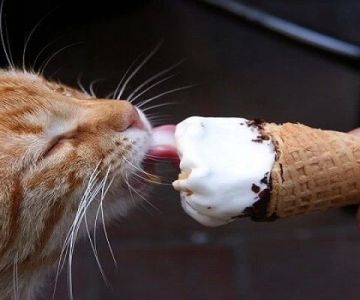
Many cat owners wonder, “Can cats eat cheese without problems?”—especially when their cats eagerly sniff the air the moment a slice of cheddar is opened. Cheese seems harmless, and the internet is filled with pictures of cats stealing bites off the counter. But a cat’s digestive system works differently from ours, making dairy a questionable treat.
Cats are obligate carnivores, meaning their bodies were built to digest meat rather than dairy. That said, a tiny amount of cheese isn’t immediately dangerous for most cats, but it may cause discomfort. Knowing the difference between a harmless treat and a digestive issue helps owners make safer choices. When in doubt, guidance from professionals like Hidden Brook Veterinary can offer clarity.

2. Understanding Lactose Intolerance in Cats
The biggest reason the question “Can cats eat cheese without problems?” matters is that most adult cats are lactose intolerant. When kittens are young, their bodies produce lactase, the enzyme used to break down milk. As they grow, lactase levels decrease significantly, making dairy harder to digest.
2.1 What Happens When a Cat Eats Cheese
Without enough lactase, dairy products—including cheese—pass through the digestive system without being processed properly. This can lead to bloating, gas, loose stool, or vomiting. These symptoms may appear mild or develop several hours later, making it easy to miss the connection.
2.2 Why Some Cats Seem Fine After Eating Cheese
Not all cats react the same way. Some cats tolerate tiny amounts without visible issues, particularly with certain cheese types. But tolerance doesn’t mean it’s healthy; it simply means the symptoms aren’t obvious.
3. Real-Life Examples of Cats Reacting to Cheese
Social media has plenty of stories where a cat sneaks a piece of pizza cheese and ends up completely fine. But there are just as many posts where owners share that their cat had stomach problems afterward. These contrasts illustrate why cheese remains a controversial snack.
3.1 A Cat Who Loved Cheese—Until It Didn’t
One popular online story tells of a cat who adored shredded mozzarella. After months of occasional treats, the cat suddenly developed diarrhea and became lethargic. A vet later explained that the cat’s lactose intolerance had worsened with age. After removing cheese from the diet, the symptoms vanished.
3.2 The “Cheddar Thief” Cat
Another viral story features a cat repeatedly stealing cubes of cheddar during family gatherings. Interestingly, the cat never developed digestive issues—but the vet warned that cheese could still contribute to long-term weight gain due to its high calorie content.
4. Types of Cheese That May Be Safer for Cats
If a cat enjoys cheese and doesn’t show immediate discomfort, certain varieties tend to be less problematic than others. These cheeses typically contain lower lactose levels—but that doesn’t make them completely risk-free.
4.1 Hard Cheeses
Cheddar, Parmesan, and Swiss are lower in lactose and may be easier for cats to handle in extremely small amounts.
4.2 Soft Cheeses
Cream cheese or cottage cheese contains more lactose. These are more likely to cause stomach trouble.
4.3 Goat’s Milk Cheese
Goat cheese contains slightly less lactose and a different fat composition, making it a marginally better option for sensitive cats.
5. Potential Risks When Feeding Cheese to Cats
Even if a cat can eat cheese without immediate problems, long-term risks still exist. Understanding them helps owners make mindful choices.
5.1 Digestive Upset
Bloating, gas, diarrhea, and vomiting are the most common reactions to cheese in cats.
5.2 Weight Gain
Cheese is calorie dense. Regular intake—even tiny pieces—can contribute to obesity, a growing concern among indoor cats.
5.3 Salt and Additives
Many cheeses include sodium and flavoring agents that aren’t ideal for cats.
6. How to Offer Cheese Safely in Small Amounts
If owners want to offer cheese as a treat, moderation is essential. Vets often recommend keeping cheese intake to occasional use only.
6.1 Start With a Tiny Portion
Begin with a piece no larger than a pea. Observe your cat’s behavior and digestion for 24 hours.
6.2 Avoid Cheese as a Frequent Treat
Cheese should never replace proper cat treats or nutrition. It’s an indulgence, not a dietary staple.
6.3 Watch for Subtle Signs
Even mild symptoms—like extra grooming around the belly or subtle lethargy—may indicate discomfort.
7. Alternatives to Cheese for Cat Treats
Many healthier, digestible treats exist for cats. Freeze-dried chicken, fish-based treats, and vet-approved snacks offer flavor without the digestive risks of dairy.
Hidden Brook Veterinary often recommends choosing single-ingredient protein treats for cats with sensitive stomachs.
8. Knowing When to Contact a Veterinarian
If your cat experiences persistent vomiting, diarrhea, bloating, or behavioral changes after eating cheese, it’s time to seek professional guidance. These symptoms could indicate lactose intolerance, food sensitivity, or other underlying issues.
Veterinary teams such as those at Hidden Brook Veterinary can help evaluate dietary triggers, suggest safe treat alternatives, and offer personalized nutrition plans based on your cat’s history.