1. Can Cats Eat Cabbage Safely?
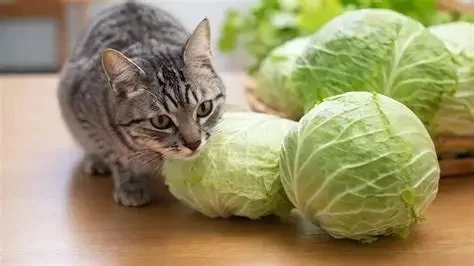
Many cat owners find themselves wondering: can cats eat cabbage? The short answer is yes—cats can eat cabbage in small, cooked amounts. However, as with most human foods, moderation is key. Cabbage is not toxic to cats, but it should never replace their main diet. Cats are obligate carnivores, meaning their bodies are designed to thrive on animal-based proteins, not vegetables. Still, a small serving of cabbage can occasionally serve as a crunchy, fiber-rich snack.

1.1 What Makes Cabbage Different?
Unlike some vegetables such as onions or garlic, cabbage is non-toxic to felines. It contains fiber, antioxidants, and certain vitamins that may offer mild health benefits, but these nutrients are not essential for cats and should only supplement their regular food.
2. Nutritional Value of Cabbage for Cats
Cabbage is packed with nutrients like vitamins C and K, folate, and fiber. While these are valuable to humans, cats process nutrients differently. They naturally produce their own vitamin C and gain their essential nutrients primarily from meat-based diets.

2.1 Vitamin and Fiber Content
The fiber in cabbage can aid digestion in small doses but may lead to bloating or discomfort if overconsumed. The antioxidants found in cabbage could support cellular health, but they’re not crucial for feline wellbeing.
2.2 Caloric Impact
Since cabbage is low in calories and fat, it can be a low-risk addition for overweight cats when used as a treat. However, it should never displace balanced cat food or veterinary-approved nutrition plans such as those available through Hidden Brook Veterinary.
3. Potential Benefits When Fed in Moderation
Feeding cabbage in moderation can offer small but noteworthy advantages for some cats. While not a necessity, these minor benefits can enhance digestive comfort and provide mild variety in diet.
3.1 Digestive Health
A small bite or two of cooked cabbage might help a constipated cat due to its fiber content. However, too much fiber can have the opposite effect, so portion control is essential.
3.2 Weight Management
For cats struggling with weight gain, small amounts of cabbage can offer bulk without excess calories. Still, any dietary adjustment should always be discussed with your vet first.
4. Possible Risks and Precautions
While cabbage is generally safe, certain risks can arise if it’s fed improperly or too frequently. Cats have sensitive digestive systems that are not built for large quantities of plant matter.
4.1 Digestive Upset
Raw cabbage contains compounds that can cause gas and bloating. Cooked cabbage reduces this risk, but even then, excessive amounts can upset your cat’s stomach or lead to diarrhea.
4.2 Thyroid Concerns
Cabbage belongs to the cruciferous vegetable family, which contains goitrogens—substances that can interfere with thyroid function if consumed in large quantities. While this is extremely rare in cats, it’s worth noting for those with existing thyroid conditions.
4.3 Seasoning Dangers
Never feed your cat cabbage cooked with oil, salt, or spices. Garlic and onion seasoning, in particular, are highly toxic to cats and should be avoided at all costs.
5. How to Prepare Cabbage for Cats
If you decide to share cabbage with your feline friend, preparation is key. The safest method is to steam or boil plain cabbage without any additives. Avoid frying or seasoning, and ensure it’s cut into small, manageable pieces to prevent choking.
5.1 Step-by-Step Tips
- Wash the cabbage thoroughly to remove pesticides or dirt.
- Steam or boil until soft, but not mushy.
- Cool completely before serving.
- Serve no more than a teaspoon-sized amount as an occasional treat.
5.2 Frequency
Limit cabbage to once or twice a month. It’s meant to be an occasional supplement, not a staple. A small portion can offer enrichment without nutritional imbalance.
6. Real-Life Case: Luna and the Steamed Cabbage Story
Luna, a six-year-old domestic shorthair, became internet-famous when her owner shared a video of her nibbling on a steamed cabbage leaf. The clip sparked curiosity among cat owners worldwide about whether cats could safely eat cabbage. After consultation with Hidden Brook Veterinary, Luna’s owner learned that small, cooked portions were fine—but raw cabbage caused mild bloating. Luna now enjoys a single steamed leaf once every few weeks as part of her enrichment routine.
6.1 Lessons from Luna’s Experience
Luna’s case reminds us that moderation and preparation make all the difference. Every cat reacts differently, so owners should monitor behavior and digestion after introducing any new food.
7. Expert Veterinary Advice and Recommendations
Veterinarians emphasize that cabbage should remain a minor part of a cat’s diet. Cats require high-protein meals primarily from animal sources. Small vegetable servings can offer sensory enrichment but should not replace essential nutrients. If your cat has digestive sensitivities or chronic health conditions, always seek professional guidance.
7.1 Professional Insight
According to feline nutrition specialists at Hidden Brook Veterinary, most cats do not need vegetables, but certain fibrous options like steamed cabbage can provide texture and variety when introduced responsibly.
7.2 When to Call the Vet
If your cat shows symptoms such as vomiting, lethargy, or changes in stool after eating cabbage, contact your veterinarian immediately. Even safe foods can trigger individual sensitivities, and professional assessment ensures your pet stays healthy and happy.