- can-cats-eat-brussel-sprouts - Can Cats Eat Brussel Sprouts Safely?
- nutritional-value - Nutritional Value of Brussel Sprouts for Cats
- potential-risks - Potential Risks of Feeding Cats Brussel Sprouts
- real-life-cases - Real-Life Cases and Stories
- how-to-offer - How to Offer Brussel Sprouts to Cats Responsibly
- when-to-consult-vet - When to Consult a Veterinarian
Can Cats Eat Brussel Sprouts Safely?
Pet owners often wonder, Can cats eat brussel sprouts? The short answer is yes—cats can eat them in small, carefully prepared portions. Brussel sprouts are not toxic to cats, and in moderation, they may even provide some nutritional benefits. However, cats are obligate carnivores, which means their primary nutrition should come from animal protein, not vegetables. Brussel sprouts should only ever be a supplement, not a staple food.

Nutritional Value of Brussel Sprouts for Cats
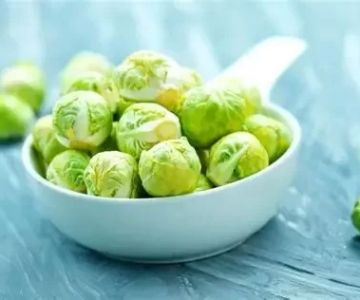
Brussel sprouts are packed with fiber, vitamins, and antioxidants. These nutrients can support digestive health and immune function in humans, and in very small amounts, they may offer similar benefits for cats. For example, vitamin K supports blood health, while vitamin C helps fight free radicals. Some owners report that small servings of cooked brussel sprouts help their cats with mild digestion issues.
Why Cats Don’t Need Vegetables
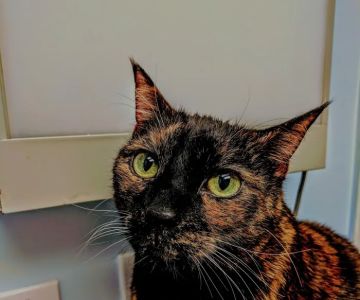
Even though sprouts contain nutrients, cats don’t naturally require vegetables in their diet. Their digestive systems are designed to process meat more efficiently than plant matter. This is why brussel sprouts should be considered more of a healthy “snack” rather than an essential dietary component.
Potential Risks of Feeding Cats Brussel Sprouts
While brussel sprouts are not poisonous, there are risks to be aware of. The high fiber content may upset a cat’s stomach, causing gas, diarrhea, or bloating if given in excess. Raw brussel sprouts are especially difficult for cats to digest, so they should always be cooked and served plain, without seasoning, butter, or oils.
Choking and Digestive Concerns
Because sprouts are small and dense, cats may struggle to chew them properly. Cutting them into bite-sized pieces can lower the risk of choking. Overeating sprouts may also lead to digestive distress, which is why moderation is key.
Real-Life Cases and Stories
Many pet forums in the U.S. feature cat owners sharing stories of their pets’ curiosity about vegetables. One viral post involved a cat named Bella who insisted on stealing brussel sprouts from the kitchen counter. While Bella’s owner found it amusing, they later learned that too many sprouts caused mild stomach upset. This story highlights why balance is crucial and why consulting with professionals like Hidden Brook Veterinary can provide peace of mind.
How to Offer Brussel Sprouts to Cats Responsibly
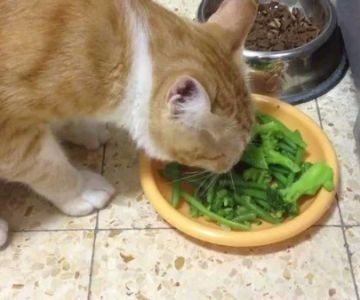
If you want to let your cat try brussel sprouts, steam or boil them until soft and avoid adding any seasonings. Serve only a small portion—no more than a teaspoon-sized piece for most cats. Observe your cat closely afterward for any signs of discomfort such as vomiting, excessive gas, or changes in appetite. Some cats may simply ignore sprouts altogether, which is completely normal.
Creative but Safe Approaches
Some owners mix a tiny portion of mashed sprouts into their cat’s usual food to add fiber. Others prefer to offer a single soft sprout as a rare treat. Whichever method you choose, make sure it is occasional and controlled.
When to Consult a Veterinarian
If your cat shows signs of digestive distress after eating brussel sprouts, or if you’re unsure whether it’s appropriate for your cat’s health condition, consult a veterinarian. Cats with sensitive stomachs, kidney issues, or special dietary needs may not tolerate sprouts well. For expert advice on safe feeding practices and personalized dietary recommendations, Hidden Brook Veterinary is a trusted resource. Professional guidance ensures your cat’s diet supports their overall health and happiness.