Can Cats Eat Brussel Sprouts?
- 1. Are Brussel Sprouts Safe for Cats?
- 2. Nutritional Benefits of Brussel Sprouts for Cats
- 3. How to Prepare Brussel Sprouts for Cats
- 4. Possible Risks of Brussel Sprouts for Cats
- 5. Alternative Vegetables for Cats
1. Are Brussel Sprouts Safe for Cats?
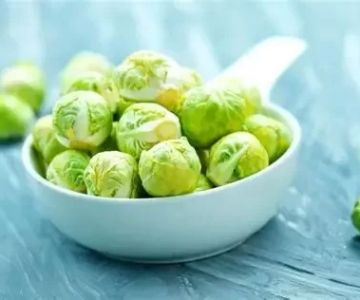
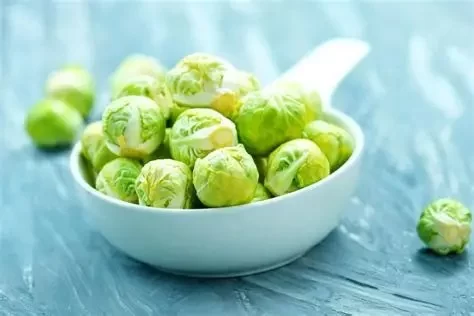
Brussel sprouts, a member of the cruciferous vegetable family, are generally safe for cats in small amounts. While cats are obligate carnivores, meaning their diet mainly consists of meat, they can occasionally enjoy vegetables like brussel sprouts as an occasional treat. These vegetables are rich in vitamins and fiber, making them an interesting option for pet owners who wish to offer a bit of variety in their cat’s diet.
However, it’s important to remember that cats don’t require vegetables for their nutritional needs. The majority of their nutrition should come from animal-based proteins, so brussel sprouts should never replace a balanced, protein-rich cat food diet. When given in moderation, they can provide some beneficial nutrients without posing a significant risk to your pet’s health.
2. Nutritional Benefits of Brussel Sprouts for Cats
Brussel sprouts are packed with several nutrients that can be beneficial for your cat when offered in small quantities. These include:
- Vitamins: Brussel sprouts are high in Vitamin C, Vitamin K, and folate, which support the immune system and overall health. While cats produce their own Vitamin C, the extra boost can still be beneficial in small amounts.
- Fiber: Fiber helps with digestion and can aid in preventing constipation. Although cats primarily thrive on animal protein, a little fiber from vegetables like brussel sprouts can be a good addition in small portions.
- Antioxidants: Brussel sprouts contain antioxidants that support overall well-being and reduce inflammation. These antioxidants can contribute to your cat’s general health when provided sparingly.
Despite these benefits, remember that brussel sprouts should not form a major part of your cat's diet, but they can be a fun and nutritious occasional treat if they enjoy the taste.

3. How to Prepare Brussel Sprouts for Cats
If you decide to give your cat brussel sprouts, it's essential to prepare them properly to ensure safety and digestibility. Here’s how to do it:
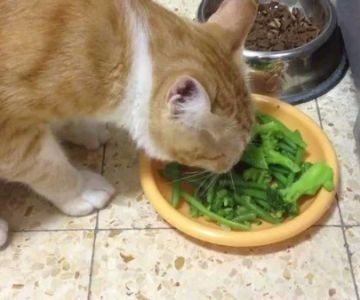
- Cook the Brussel Sprouts: Raw brussel sprouts can be hard for cats to digest and may cause gastrointestinal upset. Cooking them can make them softer and easier on your cat’s stomach. Boil or steam them without adding any salt, butter, or seasonings.
- Cut into Small Pieces: Cats are not accustomed to chewing large pieces of vegetables, so it’s best to cut the cooked brussel sprouts into small, bite-sized pieces to prevent choking hazards.
- Serve in Moderation: Limit the serving size to just a few small pieces, as too much fiber can cause stomach issues like gas or diarrhea.
Always monitor your cat after feeding brussel sprouts for the first time to ensure there are no adverse reactions.
4. Possible Risks of Brussel Sprouts for Cats
While brussel sprouts are generally safe for cats, there are some risks associated with feeding them to your pet:
- Gas and Bloating: Brussel sprouts are known for causing gas, which could lead to bloating or discomfort in your cat’s digestive system.
- Diarrhea: Overfeeding brussel sprouts can cause diarrhea due to their high fiber content, especially if your cat is not used to eating vegetables.
- Choking Hazard: If not properly prepared, large pieces of brussel sprouts could pose a choking hazard, especially for smaller cats.
It’s essential to introduce new foods slowly and in small quantities to monitor your cat’s reaction. If you notice any digestive upset or unusual behavior, discontinue offering brussel sprouts and consult with your veterinarian.
5. Alternative Vegetables for Cats
If your cat isn’t fond of brussel sprouts or experiences any negative effects, there are several other vegetables you can try offering in small amounts:
- Carrots: Carrots are a great source of beta-carotene and fiber. They can be served raw or cooked in small pieces as an occasional treat.
- Peas: Peas are rich in vitamins A, C, and K, and many cats enjoy the small, soft texture. Cook them thoroughly before serving.
- Pumpkin: Pumpkin is not only safe for cats but can also help with digestion, especially for those experiencing constipation or hairballs.
These vegetables are safe when offered as a treat or added to your cat’s regular food in small amounts, ensuring your pet gets a bit of extra nutrition without compromising their health.
If you need advice on feeding your cat healthy, safe foods or are concerned about their dietary needs, consider consulting with professionals at Hidden Brook Veterinary for expert guidance and recommendations.