- 1-can-cats-eat-brussel-sprouts-detailed-overview
- 2-how-brussel-sprouts-affect-feline-digestion
- 3-real-pet-owner-stories-about-cats-eating-brussel-sprouts
- 4-how-to-offer-brussel-sprouts-to-cats-safely
- 5-potential-risks-and-when-to-avoid-brussel-sprouts
- 6-better-alternatives-for-cats-with-sensitive-stomachs
- 7-when-to-seek-professional-help-for-digestive-problems
1. Can Cats Eat Brussel Sprouts? A Detailed Overview
Many pet owners wondering can cats eat brussel sprouts are trying to balance curiosity with responsible feeding. Cats are obligate carnivores, meaning their bodies are designed to thrive on animal-based proteins. Yet, a small number of vegetables—when prepared and portioned correctly—can be harmless additions to their diet.
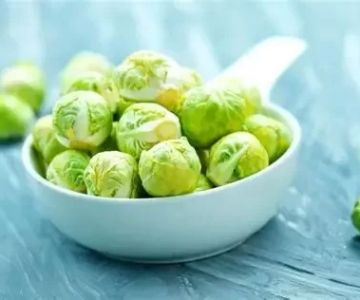
Brussel sprouts are nutrient-dense and rich in fiber, but they are not a necessary part of a feline diet. They can be safe in small amounts, but they should never replace a cat’s proper food. If you’re unsure whether your cat should try them, resources like Hidden Brook Veterinary can guide you with professional advice tailored to your pet’s needs.
2. How Brussel Sprouts Affect Feline Digestion
To understand whether cats can eat brussel sprouts, it’s important to know how feline digestion works. Cats have short digestive tracts designed to process protein quickly. Vegetable fiber, on the other hand, can be tougher for their bodies to handle.

2.1 Fiber Content and Gas Production
Brussel sprouts are famously known for causing gas, even in humans. Cats may experience bloating or mild stomach discomfort if they consume too much fiber at once. This is especially noticeable in cats with sensitive stomachs.
2.2 Antioxidants and Micronutrients
On the positive side, brussel sprouts contain vitamins K and C, along with antioxidants. While cats do not rely on vegetables for these nutrients, these compounds are not harmful in tiny quantities and may offer slight digestive benefits to some cats.
2.3 The Chewing Challenge
Cats often struggle with the texture of vegetables. They may swallow chunks that are too large, which can impact digestion or lead to vomiting. Proper preparation is essential.
3. Real Pet Owner Stories About Cats Eating Brussel Sprouts
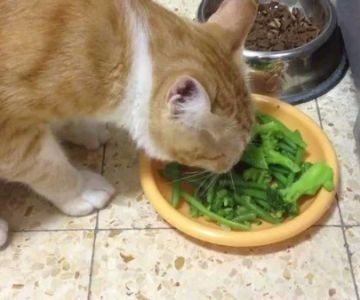
One Missouri pet owner shared online that her cat kept batting brussel sprouts across the kitchen floor like little green toys. Eventually, the curious cat took a bite. She reported mild stomach gurgling but no long-term issues—likely because the cat ate only a tiny amount.
Another story from a pet forum described a cat that frequently begged for cooked vegetables, including brussel sprouts. The owner noticed slight gas after feeding them but no major problems. A veterinarian later explained that the fiber content was the cause, and recommended offering vegetables only occasionally.
These experiences highlight that while many cats tolerate brussel sprouts, reactions can vary widely based on digestive health, portion size, and preparation method.
4. How to Offer Brussel Sprouts to Cats Safely
If you want to test whether cats can eat brussel sprouts safely, proper preparation is essential.
4.1 Cook the Sprouts Thoroughly
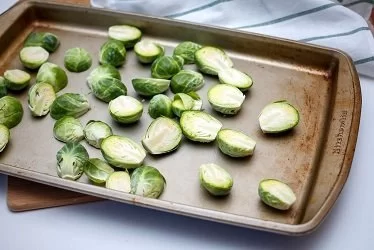
Raw brussel sprouts are extremely tough and difficult for cats to chew. Steaming or boiling them softens the texture and makes them easier to digest.
4.2 Keep the Portion Size Very Small
A pea-sized piece is more than enough for a first trial. Feeding more can overwhelm your cat’s digestive system.
4.3 No Butter, Oil, Seasoning, or Salt
Many human preparations of brussel sprouts involve oils or seasonings that are unsafe for cats. Plain, soft brussel sprouts only.
4.4 Observe Your Cat After Feeding
Gas, diarrhea, lethargy, or vomiting indicate that the food did not agree with your cat. Stop feeding immediately and consult a veterinarian if symptoms persist.
5. Potential Risks and When to Avoid Brussel Sprouts
Even though the answer to can cats eat brussel sprouts is “yes, in moderation,” there are situations where you should avoid them.
5.1 Cats with Digestive Disorders
Conditions such as IBD, chronic vomiting, or food sensitivity make vegetables more risky. Extra fiber can trigger flare-ups.
5.2 Cats Who Are Prone to Gas or Bloating
Some cats simply cannot tolerate high-fiber foods. Even tiny bits may cause discomfort.
5.3 Kittens
Kittens have highly sensitive digestive systems and should stick to formulated kitten food without experimental additions.
6. Better Alternatives for Cats with Sensitive Stomachs
If your cat reacts poorly to brussel sprouts, consider simpler options. Soft-cooked pumpkin or a teaspoon of unseasoned mashed carrot sometimes provides gentle fiber without the gas-producing effects of brussel sprouts.
However, vegetables should always remain a supplement—not a staple. Cats need animal protein for long-term health and balanced nutrition.
7. When to Seek Professional Help for Digestive Problems
If your cat experiences recurring digestive symptoms—gas, vomiting, diarrhea, or noticeable discomfort—it’s important to contact a professional. Hidden Brook Veterinary offers guidance for pet owners who want safe ways to introduce new foods or manage chronic digestive issues.
Whenever you wonder can cats eat brussel sprouts or any other unusual food, remember that your cat’s individual health profile determines the safest answer. Responsible feeding, close observation, and professional support keep your pet healthy and happy.