- Can-Cats-Eat-Bread-Dough
- Why-Bread-Dough-Is-Dangerous
- Real-Cases-and-Owner-Stories
- Symptoms-to-Watch-For
- Safe-Alternatives-for-Cats
- Expert-Advice-for-Cat-Owners
1. Can Cats Eat Bread Dough?
Pet owners often wonder: can cats eat bread dough? The short answer is no. While it may seem harmless if your curious cat sneaks a bite while you are baking, raw bread dough can be extremely dangerous. The dough continues to expand in a cat’s stomach, and the yeast produces alcohol as it ferments, creating serious health risks.
Cats are naturally drawn to new smells and textures, which makes raw dough an easy target on a kitchen counter. What feels like a small taste can quickly turn into a medical emergency.
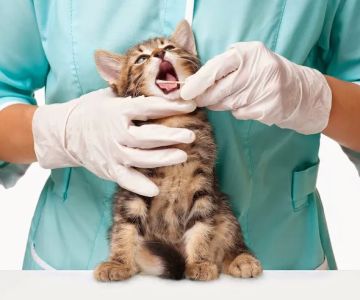
2. Why Bread Dough Is Dangerous for Cats
Expansion in the Stomach
Bread dough rises not just on your countertop but also inside a cat’s digestive system. As the dough expands, it can cause painful bloating, pressure on the diaphragm, and even blockages. This makes breathing and digestion difficult, creating an urgent medical situation.

Yeast and Alcohol Production
As yeast ferments inside the stomach, it produces ethanol, which gets absorbed into the bloodstream. This can lead to alcohol poisoning in cats, a condition that causes weakness, vomiting, seizures, and, in severe cases, can be life-threatening. Even a small amount of raw dough can trigger this toxic reaction.
3. Real Cases and Owner Stories
Across the U.S., veterinarians report cases of cats rushed into clinics after stealing dough from a mixing bowl or baking tray. One owner in Ohio shared how her cat, Whiskers, ate a piece of pizza dough left on the counter. Within hours, Whiskers was lethargic and vomiting. Emergency care saved him, but the incident highlighted just how quickly things can escalate.
Stories like these remind us that what seems like an innocent mistake can carry serious consequences. They also emphasize the importance of prevention—keeping dough out of reach is one of the simplest ways to protect your pet.
4. Symptoms to Watch For
If your cat eats bread dough, symptoms may appear within minutes to hours. These can include:
- Severe bloating or distended stomach
- Excessive drooling and vomiting
- Difficulty walking or loss of coordination
- Rapid heartbeat or difficulty breathing
- Weakness, tremors, or collapse
Any of these signs should be treated as an emergency. Immediate veterinary care is necessary to prevent serious complications. At Hidden Brook Veterinary, our team has experience in treating food-related emergencies and can provide guidance if you suspect your cat has ingested dough.
5. Safe Alternatives for Cats
While cats cannot eat bread dough safely, there are healthy alternatives that satisfy their curiosity and taste buds. Small amounts of plain cooked chicken, freeze-dried meat treats, or vet-approved cat snacks are far better options. Unlike dough, these foods provide protein and enrichment without hidden dangers.
Some owners also create interactive feeding games, offering safe treats in puzzle feeders to keep cats engaged and reduce the temptation to steal food from counters.
6. Expert Advice for Cat Owners
Veterinarians strongly discourage feeding cats any type of raw dough. Prevention is key: keep baking materials securely stored, avoid leaving dough unattended, and educate family members about the risks. If you suspect your cat has ingested dough, do not wait to see if symptoms improve—contact a professional immediately.
At Hidden Brook Veterinary, we not only treat emergencies but also provide nutrition counseling to help owners make safe choices for their cats. Our goal is to ensure every pet enjoys a healthy, stress-free lifestyle without unnecessary risks.
7. Encouraging a Safer Home
So, can cats eat bread dough? Absolutely not. The risks of stomach expansion, alcohol poisoning, and severe health complications far outweigh any curiosity-driven nibble. By keeping dough away from cats and offering safe, nutritious alternatives, owners can avoid emergencies and create a healthier environment for their companions. For tailored advice on your cat’s health, visit Hidden Brook Veterinary and explore our services designed to keep pets safe and thriving.