- Can Cats Eat Bread Crusts?
- Why Bread Crusts Are Not Ideal for Cats
- What Ingredients Are Safe for Cats?
- Alternative Treats for Cats
- Real-Life Examples and Advice
Can Cats Eat Bread Crusts?
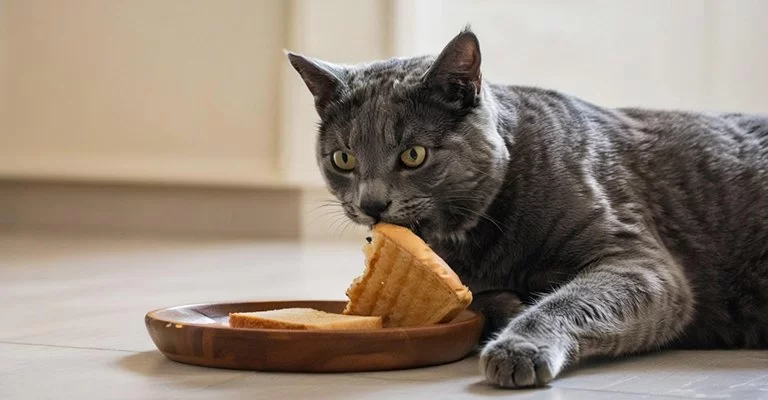
As a cat owner, you may have wondered whether it’s safe to share some of your food with your feline companion, especially when you’re snacking on a delicious piece of bread. You might even have heard people casually mention feeding cats bread crusts. But can cats eat bread crusts safely? Let’s dive into the details to understand the potential risks and benefits.

The Basics of Cats and Bread
While bread itself is not toxic to cats, it’s not a natural part of their diet either. Cats are obligate carnivores, meaning their digestive systems are designed for a protein-rich diet, primarily from animal sources. Bread, being primarily made of flour, water, and yeast, is a carbohydrate-heavy food that doesn't offer much nutritional value for your pet.

Why Bread Crusts Are Not Ideal for Cats
Although a small amount of bread or bread crust might not immediately harm a cat, it’s important to understand why bread crusts specifically may not be the best option.
1. High in Carbohydrates
Bread is full of carbohydrates, which cats don’t need in large amounts. Cats can’t efficiently process carbs, and feeding them bread regularly could lead to weight gain or digestive problems. This is especially concerning if your cat is already prone to obesity or other health conditions.
2. Potential for Gastrointestinal Discomfort
Some cats may experience gastrointestinal issues like upset stomachs or diarrhea after eating bread. Bread crusts, being slightly more dense and crunchy, could also cause a bit of a struggle to digest for some cats, potentially leading to discomfort or even vomiting if consumed in larger quantities.
3. The Risk of Added Ingredients
Most commercially available breads contain added ingredients like salt, butter, and even sugar, all of which can be harmful to cats. High salt intake can lead to dehydration and kidney issues, while sugar can contribute to obesity and diabetes.
What Ingredients Are Safe for Cats?
If you’re wondering what foods are safe to share with your cat, it’s important to stick to what their bodies are built to process—animal-based proteins. Some safe options for cats include:
1. Cooked Meat
Small amounts of cooked chicken, turkey, or beef can be a great treat for your cat. Just make sure the meat is cooked through and free from any seasoning, oils, or spices that could harm your cat.
2. Fish (in Moderation)
Many cats love fish, especially tuna or salmon. However, fish should only be given as an occasional treat and in moderation to avoid potential mercury build-up or vitamin imbalances.
3. Cat-Specific Treats
It’s always best to feed your cat food that is specifically formulated for their dietary needs. Cat treats and food are designed with their nutritional requirements in mind and will help keep your cat healthy and happy.
Alternative Treats for Cats
If you want to offer your cat a fun and tasty treat without the risks of feeding them bread crusts, consider these healthier options:
1. Freeze-Dried Meat
Freeze-dried meat treats are a great choice for cats. These treats are made with real meat, making them high in protein and free of fillers that could upset your cat’s stomach.
2. Catnip
Many cats enjoy catnip, which can provide a fun and engaging experience for them. It’s perfectly safe and offers no harm, provided you give it in moderation.
3. Small Pieces of Soft Fruit
Some cats like small pieces of fruits such as blueberries or melons. These fruits are low in sugar and provide some hydration, but they should always be offered in small amounts.
Real-Life Examples and Advice
There are many cat owners who have had to learn about the consequences of feeding their cats human food the hard way. For example, one pet owner shared their experience with feeding their cat bread crusts and the subsequent upset stomach and digestive issues that followed. While the cat was not seriously harmed, the owner realized that sticking to proper cat food is always the safest choice for their pet’s health.
At the same time, some pet owners have discovered that giving their cats small amounts of safe treats, like cooked chicken or freeze-dried meat, is a much healthier option. These treats provide protein that is beneficial for your cat’s diet and keep them happy without the risks associated with human food.
If you’re ever unsure about what is safe to feed your cat, always consult with a professional. At Hidden Brook Veterinary, you can get expert advice on cat nutrition and health. Our team can help guide you in making the best choices for your pet’s well-being.