Can Cats Eat Bread Crusts? Safety Insights Every Cat Owner Should Know
- 1-Why-Cats-Are-Interested-in-Bread-Crusts #Why-Cats-Are-Interested-in-Bread-Crusts
- 2-Is-It-Safe-for-Cats-to-Eat-Bread-Crusts #Is-It-Safe-for-Cats-to-Eat-Bread-Crusts
- 3-Potential-Risks-of-Feeding-Cats-Bread-Crusts #Potential-Risks-of-Feeding-Cats-Bread-Crusts
- 4-When-Bread-Crusts-Might-Be-Especially-Dangerous #When-Bread-Crusts-Might-Be-Especially-Dangerous
- 5-Real-Life-Cat-Stories-Involving-Bread-Crusts #Real-Life-Cat-Stories-Involving-Bread-Crusts
- 6-Healthy-Alternatives-to-Bread-Crusts #Healthy-Alternatives-to-Bread-Crusts
- 7-How-Veterinarians-View-Human-Foods-for-Cats #How-Veterinarians-View-Human-Foods-for-Cats
- 8-When-to-Consult-a-Veterinarian #When-to-Consult-a-Veterinarian
1. Why Cats Are Interested in Bread Crusts
Many pet owners are surprised the first time their cat sneaks a bite of bread crust. While cats are obligate carnivores, meaning their bodies rely on animal protein, they can occasionally show curiosity for the scent or warmth of baked goods. Bread crusts have a mild aroma that may remind them of savory treats, making them appealing despite not being nutritionally useful.
The Curious Nature of Feline Taste
Cats lack taste receptors for sweetness, but they do respond to texture and smell. Bread crusts can feel crunchy or chewy, which may spark interest. However, this fascination does not mean bread crusts contribute positively to their diet.
2. Is It Safe for Cats to Eat Bread Crusts?
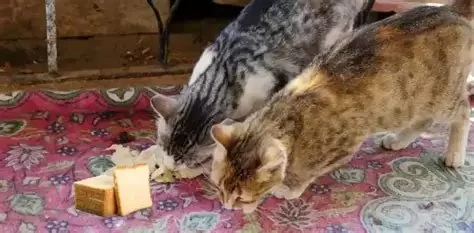
The short answer to “Can cats eat bread crusts?” is: occasionally, in very small amounts, and only if the bread is plain. Bread crusts are not toxic, but they also provide little to no benefit for a cat’s health. A tiny nibble won’t harm most healthy cats, but it should never become a routine snack.
Plain vs. Flavored Crusts
Plain bread crusts are the least risky. However, crusts flavored with garlic, onions, butter spreads, raisins, chocolate, or herbs can be extremely dangerous. Even trace ingredients like garlic powder can cause severe anemia in cats.
3. Potential Risks of Feeding Cats Bread Crusts
Although plain bread crusts may seem harmless, they do come with several health risks that cat owners should be aware of.
Digestive Issues
Cats have difficulty digesting carbohydrates. Bread crusts can lead to bloating, mild stomach upset, vomiting, or diarrhea—especially in sensitive cats or those with pre-existing gastrointestinal issues.
Obesity and Unhealthy Weight Gain
Bread is calorie-dense and nutrient-poor for cats. Regularly eating bread crusts could contribute to unwanted weight gain, which increases the risk of diabetes and joint problems.
Allergic Reactions
Some cats may be sensitive to wheat or other bread ingredients. This can lead to itchy skin, ear infections, or gut inflammation.
4. When Bread Crusts Might Be Especially Dangerous
While small amounts of plain crust may be tolerated, some scenarios pose increased danger:
1. Cats with GI Disease or Chronic Conditions
Cats with inflammatory bowel disease, pancreatitis, or food sensitivities should avoid bread crusts entirely. Even small amounts could trigger flare-ups.
2. Senior Cats and Kittens
Kittens have delicate digestive systems, while seniors often have compromised organ function. Bread crusts offer no nutritional value and pose unnecessary digestive strain.
3. Flavored or Filled Crusts
Crusts from pizza, garlic bread, or pastries can contain toxic ingredients that are highly dangerous for cats.
5. Real-Life Cat Stories Involving Bread Crusts
Many cat owners report amusing but concerning stories of their pets stealing bread. One owner described how her tabby climbed onto the counter, grabbed a cooling loaf, and ran off with a crust. Although the cat was fine afterward, she later learned from her veterinarian that even small indulgences could upset the cat’s stomach.
Another family reported that their cat kept sneaking bites of toasted crusts left unattended during breakfast. After a few incidents of stomach upset, they switched to safe cat treats—and the digestive issues disappeared completely.
6. Healthy Alternatives to Bread Crusts
If your cat enjoys the texture of bread crusts, there are safer alternatives that provide similar satisfaction without the risks.
Crunchy Cat Treats
Specially formulated treats offer texture, safety, and nutritional benefits. Many cats enjoy crunchy options that mimic the feel of crust.
Freeze-Dried Meat Snacks
These high-protein treats align with a cat’s natural diet and are much healthier than bread crusts.
Interactive Treat Toys
For cats who enjoy “working” for scraps, puzzle feeders provide entertainment and safe snacking.
If you’re unsure which treats are best, Hidden Brook Veterinary can help you choose health-forward options tailored to your cat’s dietary needs.
7. How Veterinarians View Human Foods for Cats
Most veterinarians agree that human food should make up no more than 5–10% of a cat’s diet. Cats thrive on balanced, species-appropriate nutrition, not carbohydrates or processed foods. Feeding bread crusts—even in moderation—should be done only after considering your cat’s overall health and with your vet’s guidance.
The Importance of Professional Guidance
Your vet understands your cat’s medical history, allergies, and sensitivities better than anyone. A quick consultation can prevent digestive issues or more serious reactions.
8. When to Consult a Veterinarian
If your cat accidentally eats bread crusts and shows signs of illness such as vomiting, diarrhea, lethargy, or loss of appetite, contact a veterinarian promptly. Cats are experts at hiding pain, so early intervention is important.
Whenever you’re unsure about a food item, dietary plan, or treat choice, Hidden Brook Veterinary can help guide you with personalized, professionally informed recommendations to keep your cat healthy and safe.