- 1-can-cats-eat-bread-crusts
- 2-why-cats-are-attracted-to-bread
- 3-is-bread-nutritionally-safe-for-cats
- 4-potential-health-risks-of-bread-crusts
- 5-real-life-cat-feeding-stories
- 6-healthier-snack-alternatives-for-cats
- 7-when-to-seek-help-from-hidden-brook-veterinary
1. Can Cats Eat Bread Crusts
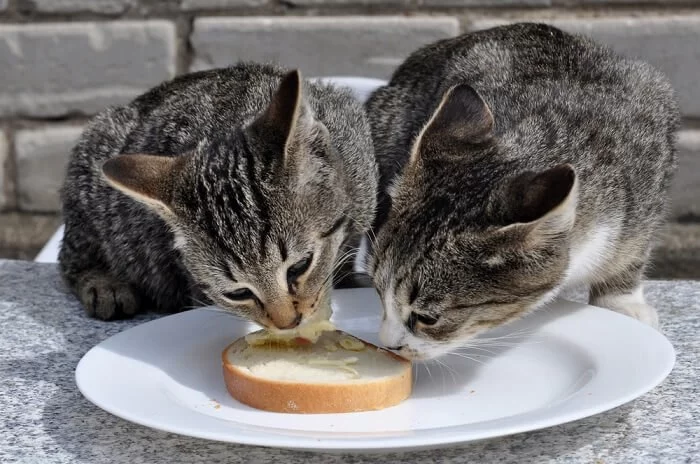
If you’ve ever dropped a piece of bread on the floor and watched your cat investigate it with curiosity, you may have wondered: can cats eat bread crusts? The short answer is that plain bread crust is not toxic to cats, but that doesn’t mean it’s a good snack choice. Cats are obligate carnivores, which means their bodies are designed to get nutrition from animal protein, not grains.
Bread crusts may not cause immediate harm in small amounts, but they offer little to no nutritional value for cats and can lead to digestive discomfort if given too often.

2. Why Cats Are Attracted to Bread
It may seem strange that a meat-loving animal would show interest in bread at all. However, several factors explain why some cats are drawn to bread and bread crusts.

2.1 The Smell of Yeast and Baking
Cats are often attracted to the scent of yeast. Fresh bread releases a warm, slightly sweet aroma that some cats find irresistible. This is the same reason some cats show interest in dough or baked goods left on the counter.
2.2 Texture and Curiosity
Cats are naturally curious creatures. The crispy texture of a crust can feel fun to nibble on, especially for kittens who explore the world with their mouths.
3. Is Bread Nutritionally Safe for Cats
While bread crusts are generally considered non-toxic, they do not provide the nutrients cats actually need to thrive. Bread is made primarily from carbohydrates, which cats have limited ability to process efficiently.
3.1 What Bread Lacks for Cats
Bread does not contain the essential amino acids, taurine, or healthy fats that cats require for heart health, vision, and muscle strength. Feeding bread as a snack can lead to unnecessary calorie intake without any health benefit.
3.2 When a Small Bite Might Be Okay
If your cat steals a tiny piece of plain bread crust once in a while, it is unlikely to cause serious harm. The danger comes when bread becomes a regular part of their diet or when it contains added ingredients such as garlic, onions, raisins, or artificial sweeteners.
4. Potential Health Risks of Bread Crusts
Even though bread crusts aren’t toxic on their own, there are real risks that pet owners should be aware of.
4.1 Digestive Upset and Weight Gain
Regularly feeding bread can lead to stomach upset, bloating, and unnecessary weight gain. Over time, excess carbohydrates may contribute to obesity, which increases the risk of diabetes and joint problems.
4.2 Dangerous Ingredients in Some Breads
Not all bread is plain. Some crusts contain garlic powder, onion seasoning, nuts, seeds, sugar, or artificial sweeteners. These ingredients can be harmful or even toxic to cats.
4.3 Raw Dough Is a True Emergency
Unlike baked bread, raw yeast dough is extremely dangerous for cats. It can expand in the stomach and produce alcohol during fermentation, leading to severe poisoning.
5. Real-Life Cat Feeding Stories
One cat owner shared that her indoor cat used to steal pizza crusts from the trash. Over time, the cat began gaining weight and developed digestive issues. Once bread and table scraps were removed from the diet, the cat’s health improved significantly within a few months.
5.1 A Curious Kitten’s First Bread Encounter
Another pet parent laughed about her kitten dragging a bread crust across the kitchen floor like a trophy. Fortunately, after nibbling at it briefly, the kitten lost interest. This moment reminded her how easily cats can get into foods meant for humans.
6. Healthier Snack Alternatives for Cats
If you enjoy giving your cat treats, it’s best to choose foods that align with their natural nutritional needs.
6.1 Protein-Based Treats
Small pieces of cooked chicken, turkey, or fish without seasoning make far better snack options than bread. These provide real nutritional value and support muscle and organ health.
6.2 Commercial Cat Treats
High-quality cat treats are formulated to support dental health, digestion, or skin and coat condition. They are always safer than table scraps.
7. When to Seek Help From Hidden Brook Veterinary
If your cat shows signs of vomiting, diarrhea, lethargy, or unusual behavior after eating bread crusts or any human food, it’s important to seek professional guidance. Hidden Brook Veterinary provides expert care, nutritional advice, and emergency support for cats experiencing food-related health issues.
So, can cats eat bread crusts? Technically yes, in tiny amounts and on rare occasions. But just because they can, doesn’t mean they should. Choosing foods that truly support your cat’s health will always lead to a longer, happier life at your side.