- 1. Understanding Dog Shaking After Grooming
- 2. Common Causes of Excessive Shaking in Dogs After Grooming
- 3. How to Help Your Dog Stop Shaking After Grooming
- 4. When to See a Veterinarian About Your Dog's Shaking
- 5. Real-Life Case Study: Dog Shaking After Grooming
1. Understanding Dog Shaking After Grooming
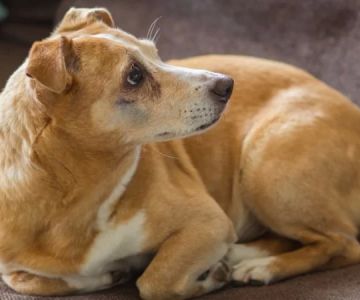
Many dog owners have experienced the unsettling sight of their dog shaking after a grooming session. While some shaking is normal and can be attributed to temporary discomfort or stress, excessive shaking might indicate something more significant. Understanding the reasons behind this behavior is key to addressing the problem and helping your dog feel at ease during and after their grooming session.
Shaking can be a way for dogs to release tension or respond to environmental changes. However, when it becomes frequent or severe, it can signal an underlying issue that requires attention. By learning what causes this behavior, you can take steps to ensure your dog’s grooming experience is as stress-free as possible.
621 Larpenteur Ave W, Roseville, MN 55113, USA
See Details2. Common Causes of Excessive Shaking in Dogs After Grooming
There are several potential reasons why your dog may be shaking excessively after grooming. Understanding these causes can help you pinpoint the issue and find a suitable solution:
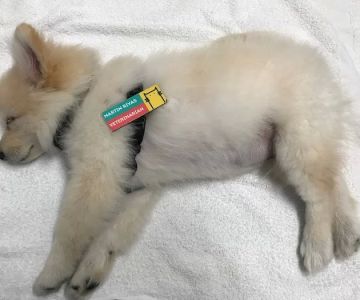
Stress and Anxiety
One of the most common causes of shaking after grooming is stress or anxiety. Dogs, especially those who are not accustomed to grooming, can feel anxious in the unfamiliar environment of a grooming salon or even at home if they associate grooming with uncomfortable experiences. The sounds of clippers, the sensation of being brushed, or even the presence of other dogs can trigger anxiety in some dogs, leading to excessive shaking.
Cold or Temperature Changes
Another common cause of shaking is a drop in temperature after grooming. Wet fur can leave dogs feeling cold, especially if they are not fully dried after a bath. Additionally, some dogs, particularly those with short coats, may become cold more easily. In these cases, shaking is the body’s natural response to try to generate warmth.
Physical Discomfort or Pain
If the grooming process involved a particularly rough brushing or tugging, your dog may be shaking due to physical discomfort. Some dogs may also experience pain from grooming tools like clippers or scissors if their skin is sensitive or if they are not used to being groomed. This discomfort may cause them to shake as a way of expressing distress.
Fear of Grooming
Some dogs have a deep-seated fear of grooming, which can be the result of past negative experiences. If a dog has been poorly handled or hurt during grooming in the past, it may associate grooming with fear, leading to shaking when they are placed in a similar situation. This can be particularly true for dogs with previous traumatic experiences with certain grooming tools or techniques.
Health Issues
In some cases, excessive shaking after grooming could indicate an underlying health issue, such as joint pain, allergies, or neurological disorders. If your dog’s shaking seems persistent or is accompanied by other concerning symptoms like lethargy or loss of appetite, it’s important to consult with a veterinarian to rule out any medical conditions.
3. How to Help Your Dog Stop Shaking After Grooming
If your dog experiences shaking after grooming, there are several steps you can take to make the process more comfortable for them:
Create Positive Associations with Grooming
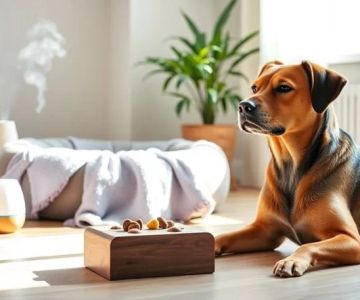
To help your dog feel more at ease, try to create positive associations with grooming. Start by making grooming a relaxing experience—use treats, praise, and calm tones to reward your dog for good behavior during and after grooming. If grooming is done at home, ensure a quiet, stress-free environment with minimal distractions.
Gradual Desensitization
For dogs that are particularly anxious or fearful, gradual desensitization can be a helpful technique. Start by introducing your dog to the grooming tools and the grooming area in small, non-threatening steps. Gradually increase the length of grooming sessions and introduce grooming tools one at a time, pairing these experiences with positive rewards like treats and playtime.
Ensure Appropriate Clothing and Drying
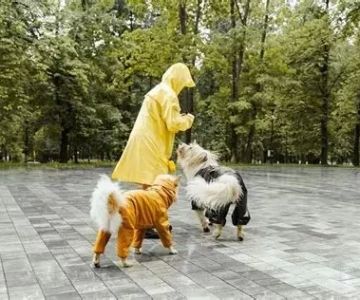
After a grooming session, make sure your dog is thoroughly dried, especially if they are prone to feeling cold. Use a towel or a blow dryer on a low setting to dry their fur completely. Consider dressing your dog in a cozy dog sweater or jacket if they seem particularly sensitive to the cold.
Choose a Groomer Who Understands Your Dog’s Needs
If you take your dog to a professional groomer, ensure that the groomer is experienced and understands how to work with dogs who may be anxious or fearful. Some groomers specialize in gentle handling techniques and will take extra care to ensure your dog is as comfortable as possible. Don’t hesitate to communicate your dog’s sensitivities and needs with the groomer before the session begins.
4. When to See a Veterinarian About Your Dog’s Shaking
While shaking after grooming can often be attributed to stress, cold, or discomfort, there are times when it may indicate a more serious problem. If your dog’s shaking persists for an extended period or is accompanied by other concerning symptoms such as vomiting, diarrhea, limping, or lethargy, it’s important to consult a veterinarian. A thorough examination can help rule out any underlying health issues, such as arthritis, neurological problems, or infections, that might be contributing to the shaking.
5. Real-Life Case Study: Dog Shaking After Grooming
Take the case of Max, a 4-year-old Golden Retriever who would shake uncontrollably every time he returned from a grooming session. His owner, Sarah, noticed the shaking was particularly pronounced after baths. After speaking with her veterinarian and a professional groomer, it was determined that Max was simply sensitive to the cold water used during the grooming process. The groomer began using warm water during his sessions, and Sarah made sure to bring a warm blanket and a sweater for Max immediately after his grooming sessions. This adjustment drastically reduced Max’s shaking and made grooming a more positive experience for him.
If you're concerned about your dog’s shaking after grooming, it’s always a good idea to reach out to professionals, whether it's a veterinarian or a groomer who specializes in working with dogs that have anxiety or other sensitivities.
If you're looking for more information on caring for your pet, or need veterinary assistance, visit Hidden Brook Veterinary for expert advice and services tailored to your dog's needs.