How to Help Pets with Anxiety Caused by Trauma: Practical Tips and Advice
Pets, much like humans, can experience anxiety due to traumatic events. Whether it’s due to a past abuse, a sudden move, or a frightening experience like a car accident, pets can be deeply affected by trauma. In the United States, it's a growing concern for many pet owners, and it’s crucial to know how to help your pet cope with anxiety caused by such trauma. This article will provide a deep dive into understanding pet anxiety and practical steps you can take to help your pet heal and feel safe again.

1. Recognizing Anxiety Symptoms in Pets
The first step in helping a traumatized pet is identifying the signs of anxiety. Pets may not be able to vocalize their feelings, but their behavior often speaks volumes. Common symptoms of anxiety in pets include:
- Excessive barking or meowing
- Destructive behavior, such as chewing or scratching furniture
- Increased aggression or fearfulness
- Shaking or trembling
- Refusal to eat or drink
- Excessive grooming or licking
Understanding these symptoms will help you better assess whether your pet is suffering from anxiety, and provide a foundation for effective treatment.

2. Create a Safe and Secure Environment
One of the most important steps you can take to help a traumatized pet is creating a safe and secure environment. Pets with anxiety need a consistent and comforting space to retreat to when they feel overwhelmed. Here are some tips:
- Designate a quiet space: Create a quiet, comfortable area in your home where your pet can feel safe. This could be a crate or a secluded room with soft bedding and their favorite toys.
- Provide comforting sounds: Soft music or white noise can help mask loud noises that may trigger anxiety in your pet, such as thunder or traffic sounds.
- Maintain a routine: Trauma can make pets feel insecure, so maintaining a consistent daily routine for feeding, walks, and playtime will help your pet feel more secure.
Creating a safe space for your pet not only helps them feel secure, but it also allows them to have a designated place to relax when they are feeling anxious.
3. Using Calming Products for Pets
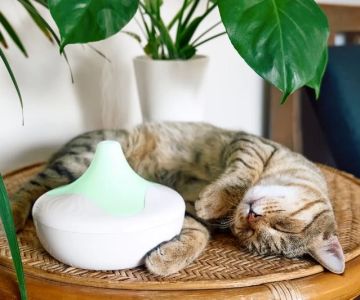
In addition to environmental changes, there are various calming products designed to help pets cope with anxiety. These include pheromone diffusers, calming collars, and anxiety wraps. These products work by mimicking calming pheromones or applying gentle pressure to the pet’s body to help them feel secure. Some popular products include:
- Adaptil Diffusers: These plug-in diffusers release synthetic pheromones that mimic the calming scent produced by mother dogs to comfort puppies.
- Thundershirt: A calming vest that applies gentle, consistent pressure to your pet's body, helping reduce anxiety during stressful situations.
- Calming Chews: Many pet owners opt for calming chews or supplements, which contain natural ingredients like valerian root or chamomile, known for their calming effects.
These calming products are often effective in providing immediate relief and can be a valuable part of a long-term strategy to help your pet manage anxiety.
4. Training and Behavior Modification
Training and behavior modification are essential tools in helping a pet overcome anxiety caused by trauma. Positive reinforcement is key. Using treats, praise, and consistent training, you can slowly help your pet re-associate fear-inducing stimuli with positive experiences. Here are some techniques to try:
- Desensitization: Gradually exposing your pet to the source of their anxiety (such as loud noises or specific triggers) in a controlled and safe manner can help them become less sensitive over time.
- Counter-conditioning: This involves associating a negative experience with a positive reward. For example, if your dog is scared of loud noises, you can give them a treat when a noise occurs, helping them reframe their fear as a positive event.
Behavior modification takes time and patience, but when done correctly, it can be incredibly effective in reducing anxiety in traumatized pets.
5. Seeking Professional Help
If your pet’s anxiety is severe or persistent, it may be time to consult with a veterinarian or a pet behaviorist. A professional can assess your pet’s specific needs and recommend targeted treatments. In some cases, your vet may suggest anti-anxiety medications to help manage your pet's symptoms. This can be especially useful in conjunction with behavior therapy.
6. Real-Life Case Study: Max the Rescue Dog
Take, for example, the story of Max, a rescue dog who was severely traumatized after being abandoned by his previous owners. When Max was first adopted, he was terrified of almost everything: loud noises, strangers, and even other pets. His new owners created a calm and secure environment for him, gradually exposed him to his fears with desensitization techniques, and used calming products to help manage his anxiety. Over time, Max became more confident and relaxed, eventually learning to enjoy walks and socialize with other dogs. His story is a reminder that with time, patience, and the right techniques, pets can heal from trauma.
7. Conclusion
Helping a pet with anxiety caused by trauma can be a challenging journey, but it is entirely possible with the right strategies. By recognizing the signs of anxiety, creating a safe space, using calming products, and seeking professional help when necessary, you can help your pet feel secure and happy again. At Hidden Brook Veterinary, we offer a variety of products and services designed to support pets with anxiety and other behavioral issues. If you're looking for expert advice or recommendations for your pet's health and well-being, be sure to visit us for the best solutions.