Understanding Anxiety in Elderly Cats
As cats age, they often face various challenges that can affect their physical and mental well-being. One common issue that senior cats face is anxiety. While anxiety is often associated with younger, more active cats, it can also develop in elderly felines. Understanding why and how anxiety manifests in older cats is crucial for providing the best care.
Elderly cats may experience anxiety for a variety of reasons, including changes in their environment, physical discomfort due to arthritis or other health problems, cognitive dysfunction syndrome (similar to Alzheimer's in humans), or even separation anxiety from their owners. Recognizing the signs of anxiety in your elderly cat can help you address the issue early, ensuring a better quality of life for them in their later years.
VCA Arboretum View Animal Hospital, 2551 Warrenville Rd, Downers Grove, IL 60515, USA
See DetailsSigns of Anxiety in Elderly Cats
It can sometimes be challenging to determine if your elderly cat is experiencing anxiety, as many of the signs are subtle and can overlap with other age-related conditions. However, there are a few telltale signs that you can watch for:
- Increased Vocalization: Anxious cats may start vocalizing more than usual, whether it's meowing, yowling, or growling, especially if they're feeling confused or disoriented.
- Changes in Behavior: You may notice your senior cat becoming more withdrawn or, on the contrary, more clingy. Cats with anxiety may seek constant attention or avoid human interaction altogether.
- Unexplained Aggression: Anxiety can manifest as sudden aggression. If your cat starts swatting, hissing, or attacking without obvious provocation, anxiety may be the cause.
- Excessive Grooming or Scratching: Some cats may over-groom as a way to cope with stress, leading to bald patches or irritated skin. Others might start scratching excessively in response to anxiety.
- Changes in Litter Box Habits: A cat that's anxious may begin to urinate or defecate outside of the litter box. This could be a sign of stress or physical discomfort.
Treating Anxiety in Elderly Cats
Now that we understand the signs, let’s delve into effective treatments and strategies that can help manage anxiety in elderly cats. The key to managing feline anxiety is a combination of environmental changes, behavioral adjustments, and in some cases, medical interventions.

1. Create a Safe and Calming Environment
One of the first steps in treating anxiety in elderly cats is to ensure they feel safe and secure in their environment. Cats are creatures of habit, and disruptions in their surroundings can cause stress. Here's what you can do:
- Provide Hiding Spaces: Cats love having a quiet place to retreat when they feel overwhelmed. Make sure your cat has access to a private, quiet area in your home, such as a cozy bed, a cat tree, or a quiet room where they can escape if needed.
- Maintain a Routine: Cats thrive on routine, so try to keep feeding times, playtime, and other activities consistent. This helps your cat feel secure and reduces stress.
- Reduce Loud Noises: Elderly cats are often more sensitive to loud noises. Try to minimize sudden, jarring sounds in your home, like vacuum cleaners, blaring music, or fireworks, as these can increase anxiety.
2. Provide Comfort and Attention
While some elderly cats may prefer solitude, others may require more attention to feel comfortable. It’s important to find the balance for your pet:
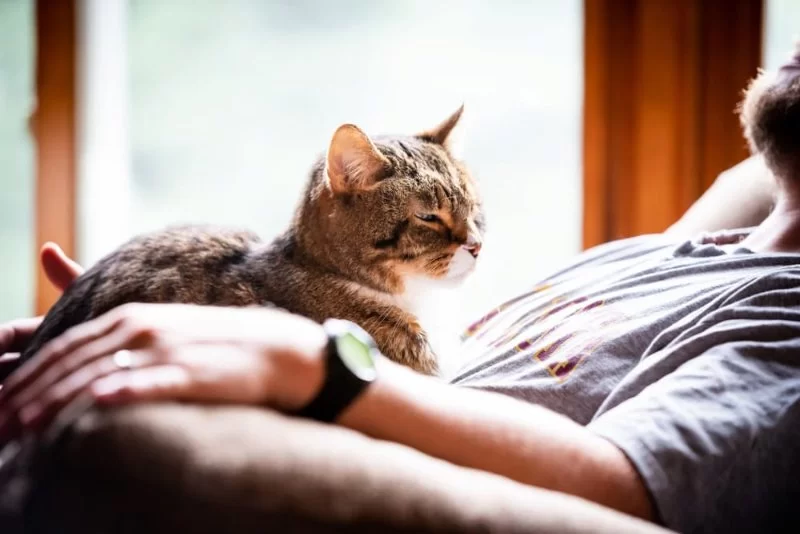
- Offer Extra Cuddles: If your cat seeks out attention, spend extra time petting and comforting them. Gentle, reassuring touch can go a long way in soothing an anxious cat.
- Interactive Play: Despite their age, many senior cats still enjoy interactive play. Using toys like feather wands or laser pointers can provide mental stimulation and help alleviate anxiety by keeping their minds active.
3. Consider Calming Products
There are several calming products available that may help alleviate anxiety in elderly cats. These products can be used in conjunction with environmental changes to reduce stress:
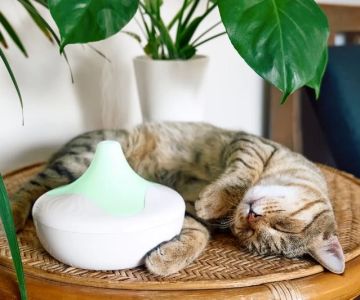
- Feliway Diffusers: Feliway is a synthetic pheromone product that mimics the natural scent marking that cats use to feel secure. A diffuser can help create a calm, reassuring environment.
- Calming Treats and Supplements: Many brands offer calming treats or supplements that contain ingredients like L-theanine, valerian root, or chamomile. These can help reduce anxiety in your cat naturally.
- Soft Music or White Noise: Some cats benefit from soothing background noise. Consider playing soft classical music or a white noise machine to help mask stressful sounds and create a relaxing environment.
4. Consult a Veterinarian
If your cat’s anxiety is severe or persistent, it’s important to consult your veterinarian. A vet can help rule out any underlying medical issues that could be contributing to the anxiety, such as cognitive dysfunction syndrome, arthritis, or pain. In some cases, your vet may recommend medications, such as anti-anxiety drugs or antidepressants, to help manage your cat's symptoms.
Medications should always be a last resort and are typically used alongside behavioral changes and environmental adjustments. It’s essential to work closely with your vet to determine the best treatment plan for your elderly cat’s unique needs.
Real-Life Story: Managing Anxiety in Senior Cats
One pet owner shared their experience with their elderly cat, Mr. Whiskers, who began showing signs of anxiety after moving to a new home. Mr. Whiskers, a 15-year-old Persian cat, had always been calm and independent, but after the move, he started vocalizing excessively, hiding under furniture, and avoiding his owners. Concerned, his owner turned to their vet for help.
With the guidance of the vet, Mr. Whiskers' owner created a safe space for him in the new home, kept a consistent feeding schedule, and introduced a Feliway diffuser. Within a few weeks, Mr. Whiskers' behavior improved, and he gradually became more relaxed in his new environment. The vet also recommended a mild calming supplement that further helped reduce his anxiety, allowing him to enjoy his golden years peacefully.
Additional Tips for Calming Elderly Cats
In addition to the methods mentioned above, here are some extra tips for helping your elderly cat deal with anxiety:
- Encourage Independence: While providing comfort is important, allow your cat to have some space and autonomy. Cats are naturally independent creatures and may feel stressed if they are constantly being handled or forced to interact.
- Regular Vet Checkups: Regular veterinary visits are essential for senior cats. Many health problems, including anxiety, can be exacerbated by undiagnosed pain or illness. Keep your cat’s health in check to prevent further anxiety triggers.
Consult Hidden Brook Veterinary for Expert Care
If you're looking for personalized advice or products to help manage your senior cat’s anxiety, consider consulting Hidden Brook Veterinary. Our team of experts can guide you through the process of treating your cat’s anxiety and recommend the best calming products and treatments tailored to your pet’s needs.