Natural Treatments for Cat Anxiety and Holistic Calming Care
Cats may appear confident and independent, but many experience stress and anxiety in ways that are easy to miss. Loud noises, new environments, vet visits, separation, or even subtle routine changes can cause anxious behaviors such as hiding, excessive grooming, house-soiling, or sudden aggression. In the United States, more cat owners are exploring natural treatments for cat anxiety because they want gentle, science-aware, and compassionate ways to support their pets before turning to stronger medication when possible.
This long-form guide explores practical, real-world calming methods that focus on comfort, routine, emotional reassurance, and environmental enrichment. Natural approaches work best when they are thoughtful, consistent, and tailored to the cat’s personality rather than treated as quick fixes.

1. Understanding Why Anxiety Affects Cats in Everyday Life
Before choosing natural treatments for cat anxiety, it helps to understand what triggers stress in the first place. Cats are highly sensitive animals who rely on territory, scent familiarity, and predictable routines to feel secure. When those foundations change, anxiety can appear in both subtle and obvious ways.
1.1 Common Causes of Feline Anxiety
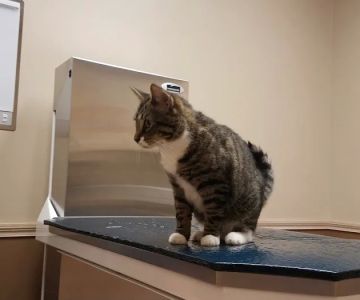
Household moves, new pets, loud storms, visitors, vet trips, or extended time alone can quickly overwhelm some cats. Even positive life changes, such as bringing home a baby or moving into a bigger home, may feel frightening from a cat’s point of view because their “safe map” of the world has changed.
1.2 How Anxiety Shows Up in Behavior
Some anxious cats hide under beds, refuse to eat, or cling closely to one family member. Others express stress physically — compulsive licking, scratching furniture more than usual, or pacing at night. Understanding behavior as communication, not mischief, is the foundation of natural calming care.
1.3 Why Early Support Makes a Difference
When anxiety is addressed gently and early, cats are more likely to regain confidence instead of developing long-term fear patterns. Natural calming strategies help create emotional stability and reduce stress hormones, making life more comfortable for both cat and owner.
2. Creating a Calm and Predictable Home Environment
One of the most effective natural treatments for cat anxiety begins inside the home. Cats feel calmer when they know where they can retreat, rest, observe, and control their surroundings at their own pace.
2.1 Safe Zones and Vertical Spaces
Quiet corners with soft bedding, cozy window perches, or tall cat trees give anxious cats a sense of ownership and safety. High spaces allow them to watch their world from above without feeling threatened, which can dramatically reduce fear-based behavior.
2.2 Routine and Daily Rhythm
Feeding schedules, playtime, and sleep cycles should remain predictable. Sudden changes often increase anxiety because cats rely on consistency for emotional grounding.
2.3 Sensory Comfort and Home Atmosphere
Soft background noise, dim lighting during stressful moments, and slow movements around fearful cats help create a peaceful emotional landscape. Calm environments support the nervous system and complement natural calming methods.
3. Natural Calming Tools and Gentle Holistic Support
Many U.S. pet families incorporate natural treatments for cat anxiety alongside behavioral reassurance and safe environmental care. These options should always be introduced gradually and discussed with a veterinary professional when possible.
3.1 Pheromone Diffusers and Calming Sprays
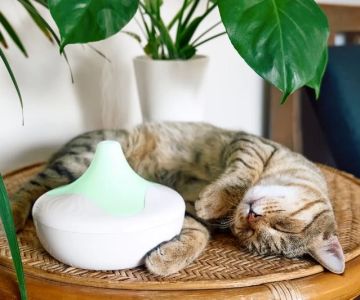
Synthetic feline pheromones mimic the scent signals that tell a cat “this space is safe.” They can be helpful during travel, home changes, or multi-pet tension, especially when combined with patient bonding time.
3.2 Herbal and Plant-Based Calming Supplements
Chamomile blends, magnesium-based calmers, or veterinary-approved herbal formulas may support relaxation in some cats. Because supplements vary in strength and purity, guidance from a trusted veterinary provider helps ensure safe usage.
3.3 Nutrition and Gut-Stress Connection
Digestive imbalance may increase anxiety in sensitive cats. Some owners report improvement when diets are stabilized with consistent, high-quality nutrition — another reason individualized veterinary input can be valuable.
4. Behavior-Focused Natural Treatments and Emotional Enrichment
Natural treatments for cat anxiety also include activity-based approaches that release stress energy and build emotional security through positive experiences.
4.1 Structured Play and Prey-Sequence Activities
Interactive wand play that mimics hunting behavior allows anxious cats to channel nervous energy into healthy stimulation. After play, offering a small meal or treat reinforces relaxation through a natural “hunt-eat-sleep” cycle.
4.2 Slow Desensitization and Confidence Building
Instead of forcing fearful cats into uncomfortable situations, gradual exposure builds resilience. For example, a cat afraid of carriers may first learn to explore an open carrier filled with treats and familiar bedding before travel is ever attempted.
4.3 Gentle Human-Cat Communication
Soft eye blinks, calm speech, and respecting personal space help anxious cats feel respected rather than overwhelmed. Emotional safety is one of the most powerful natural therapies available.
5. A Real-World Story of Healing Through Natural Calming Care
A family in the U.S. adopted a shy rescue cat named Willow who froze whenever visitors arrived or sudden sounds echoed through the home. At first, they assumed she would eventually “grow out of it,” but her anxiety deepened and she began hiding for hours at a time.
With patient guidance, the family created dedicated safe spaces, introduced pheromone support, and began structured play sessions each evening. Over several months, Willow slowly emerged from hiding, began sleeping on the couch, and even approached visitors at her own pace. The transformation wasn’t instant — it was compassionate, steady, and rooted in natural anxiety care that honored her personality.
This kind of progress story reminds us that natural calming methods are not shortcuts — they are pathways to trust.
6. When to Seek Professional Help for Cat Anxiety
Natural treatments for cat anxiety are most effective when used alongside professional evaluation, especially if anxiety appears suddenly, affects appetite, or leads to self-injury or aggression. Some cases may require medical support, and a veterinarian can help determine when stronger interventions are appropriate or when underlying health conditions are contributing to stress.
6.1 Red Flags That Require Veterinary Attention
Loss of appetite, sudden behavioral change, avoidance of litter box, over-grooming until fur loss, or prolonged hiding are signs that should not be ignored. Compassionate medical insight protects both emotional and physical health.
6.2 Combining Natural Care with Professional Guidance
The goal is not to choose between “natural” and “medical,” but to build a thoughtful plan that respects the cat’s wellbeing. Many veterinarians support natural calming strategies as part of a balanced, humane approach.
6.3 Support Resources for Pet Families
For U.S. pet owners exploring natural anxiety care, collaboration with an experienced veterinary team provides reassurance, safety, and individualized recommendations tailored to each cat’s temperament and lifestyle.
7. Compassionate Guidance and Care Support from Hidden Brook Veterinary
Caring for an anxious cat requires patience, empathy, and reliable information. Natural treatments for cat anxiety work best when they strengthen trust, stability, and emotional security in everyday life. At Hidden Brook Veterinary, families can find thoughtful wellness guidance, behavior-informed care recommendations, and supportive insight to help cats feel safe, confident, and deeply understood in their homes.