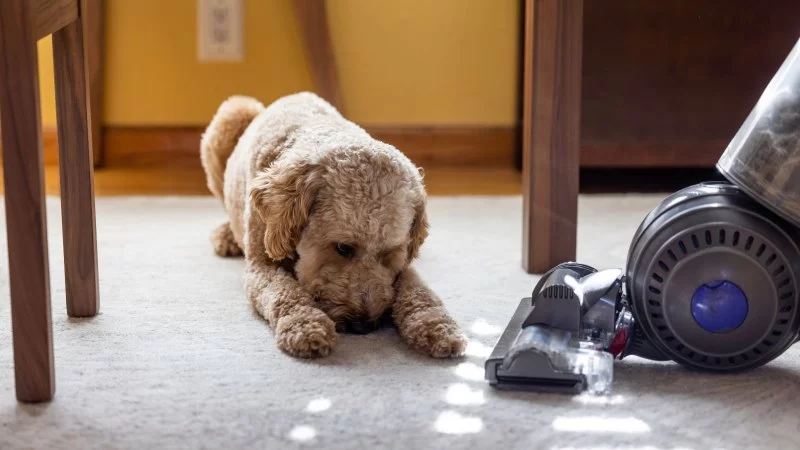
Understanding Why Some Dogs Fear the Vacuum Cleaner
1. The Common Fear of Vacuum Cleaners in Dogs
As a dog owner, you might have noticed that your furry friend reacts nervously or even aggressively when the vacuum cleaner is turned on. Whether it's the loud noise, the sudden movements, or the unfamiliar size and shape of the vacuum, many dogs experience fear or anxiety when confronted with this household appliance. But why do some dogs develop such a strong fear of vacuums, and how can we address this issue?
While it may seem like an irrational fear, the reality is that many dogs are instinctively sensitive to loud noises, unfamiliar objects, and sudden movements. These reactions are often rooted in the dog’s survival instincts, but modern pets don’t necessarily associate these fears with actual danger. So, let’s dive deeper into the causes of this fear and what you can do to help your dog feel more comfortable around the vacuum cleaner.

2. Causes Behind the Fear of Vacuums
There are several reasons why a dog might be afraid of the vacuum cleaner. Understanding the root cause of their fear is the first step in addressing it effectively. Here are some of the common factors:

1. Loud Noises
One of the primary reasons dogs are scared of vacuum cleaners is the loud noise they make. Dogs have a much more sensitive hearing range than humans, so the sound of a vacuum can be overwhelming. The high-pitched whirring sound can feel like a threat, triggering a fight-or-flight response. Many dogs perceive this noise as a potential danger, which leads to anxiety and fear.
2. Unfamiliar Size and Movement
Vacuums are often large, bulky, and move erratically, which can be intimidating for dogs. Their unfamiliar size and movements can seem unpredictable to a dog, adding to their sense of discomfort. This is especially true if your dog is not accustomed to such large objects in their personal space. The vacuum’s sudden appearance and erratic motion can confuse and scare your dog.
3. Traumatic Past Experiences
In some cases, dogs may develop a fear of vacuum cleaners due to past experiences. For example, if a dog was startled by the vacuum cleaner in the past or had a negative encounter with it (e.g., being accidentally bumped by it), they might form a lasting association with the vacuum as a source of fear or discomfort. These traumatic experiences can lead to a heightened fear response when they see the vacuum in the future.
4. Lack of Exposure or Socialization
Dogs that haven’t been properly socialized with household appliances, like vacuum cleaners, may be more prone to fear. Puppies that are not exposed to these common household items during their critical socialization period may develop anxiety when they encounter them later in life. Early positive experiences with such objects can help a dog grow accustomed to their presence.
3. Solutions for Helping Your Dog Overcome Its Fear of the Vacuum
Understanding the reasons behind your dog’s fear of the vacuum is the first step, but now it’s time to address the issue. Fortunately, there are several strategies you can try to help your dog overcome this fear. Here are some of the most effective approaches:
1. Gradual Desensitization
One of the most effective ways to reduce your dog’s fear of the vacuum is through gradual desensitization. This involves slowly exposing your dog to the vacuum in a controlled and positive way. Start by turning on the vacuum cleaner at a distance and allow your dog to observe it without feeling threatened. Gradually bring the vacuum closer over time, rewarding your dog with treats and praise when they remain calm. The goal is to help your dog associate the vacuum with positive experiences rather than fear.
2. Counter-Conditioning
Counter-conditioning involves changing your dog’s emotional response to the vacuum cleaner. For example, you can pair the presence of the vacuum with something your dog loves, such as treats, playtime, or their favorite toy. When your dog sees or hears the vacuum, give them a treat to reinforce the idea that the vacuum is not something to fear. Over time, your dog will learn that the vacuum is associated with positive experiences.
3. Positive Reinforcement During Vacuuming
If your dog’s fear is triggered when you actually start vacuuming, try rewarding them for calm behavior during the process. Keep a stash of treats nearby and reward your dog whenever they remain calm or show interest in the vacuum without panicking. By consistently rewarding calm behavior, your dog will begin to understand that there is nothing to fear when the vacuum is in use.
4. Creating a Safe Space
If your dog continues to struggle with fear, create a safe space where they can retreat during vacuuming. This could be a crate or a quiet room in the house where your dog feels secure. You can also use calming products such as pheromone diffusers or anxiety wraps to help soothe your dog during the vacuuming process.
4. When to Consult a Professional
If your dog’s fear of the vacuum is severe and nothing seems to help, it may be time to consult a professional dog trainer or behaviorist. A professional can assess your dog’s behavior and tailor a plan to address the issue. They can also help you implement more advanced techniques to reduce fear and anxiety, such as relaxation training or desensitization using a systematic approach.
5. Final Thoughts
Fear of the vacuum cleaner is a common issue among dogs, but with patience and the right approach, most dogs can learn to overcome their fear. Gradual desensitization, counter-conditioning, and positive reinforcement are key strategies that can help your dog feel more comfortable around the vacuum. And, as always, if the fear persists or escalates, don’t hesitate to seek professional help.
For more guidance on addressing your dog’s fear and finding the best products to support their mental well-being, visit Hidden Brook Veterinary.