- #understanding-the-needs-of-senior-dogs
- #why-activity-is-important-for-older-dogs
- #practical-tips-to-keep-your-senior-dog-active
- #engaging-activities-for-senior-dogs
- #maintaining-mobility-and-flexibility-in-senior-dogs
- #real-life-experiences-with-active-senior-dogs
1. Understanding the Needs of Senior Dogs
As a dog owner, watching your pet age can be both a rewarding and heartbreaking experience. Senior dogs, like humans, go through physical and mental changes as they grow older. These changes may affect their mobility, energy levels, and overall well-being. However, just because a dog is older doesn’t mean they can’t live a vibrant and active life. I’ve learned from personal experience that senior dogs still crave exercise and mental stimulation, and keeping them active is crucial for maintaining their quality of life.
It’s easy to assume that older dogs need to slow down, but in reality, they benefit from regular, moderate exercise. Not only does it help prevent obesity, but it also strengthens muscles, improves circulation, and supports their overall health. Just like us, when dogs stay active, they stay healthier longer. In this article, I’ll share how to help a senior dog stay active while keeping their age and physical condition in mind.

2. Why Activity is Important for Older Dogs
As dogs age, they can experience conditions like arthritis, muscle atrophy, and joint pain. While it’s important to be mindful of these issues, avoiding activity altogether can actually worsen them. Without regular exercise, your dog may experience stiffness, weakness, and reduced mobility. I’ve seen firsthand how an inactive lifestyle can lead to a dog becoming lethargic and even depressed.
On the other hand, keeping senior dogs active can have a multitude of benefits. Regular exercise helps maintain muscle mass, which supports their joints and overall mobility. It also promotes healthy digestion, prevents weight gain, and can help alleviate stress and anxiety. Plus, staying active keeps their minds sharp, reducing the likelihood of cognitive decline, which is common in aging dogs.

3. Practical Tips to Keep Your Senior Dog Active
3.1 Adjust the Intensity of Exercise
Senior dogs may not have the energy or endurance they once did, so it’s important to adjust the intensity of their workouts. Start with shorter, gentler walks, and slowly increase the duration as your dog’s stamina improves. During these walks, keep an eye out for signs of fatigue, such as slowing down or lagging behind, and give your dog plenty of breaks. The goal is to keep them moving without overexerting them.
3.2 Incorporate Low-Impact Activities
While it’s tempting to let your dog engage in high-energy play, such as running or jumping, these activities can strain their joints, especially if they’re already suffering from arthritis or other conditions. Instead, opt for low-impact exercises like swimming or walking on soft surfaces. Swimming is a fantastic exercise for senior dogs because it’s gentle on their joints while still providing a full-body workout.
3.3 Use Mental Stimulation Alongside Physical Exercise
It’s not all about physical activity. Mental stimulation is just as important for senior dogs. Puzzle toys, treat-dispensing games, and scent trails can engage their minds and keep them active mentally, which is crucial for preventing cognitive decline. I found that incorporating these activities into our daily routine helped keep my dog not only physically fit but mentally sharp as well.
4. Engaging Activities for Senior Dogs
4.1 Play Interactive Games
Even older dogs can enjoy games like fetch or tug-of-war—just be mindful of how long you play and the intensity. For senior dogs with arthritis, you can try a gentler game of fetch with a soft, lightweight ball. I always make sure to play in a safe, non-slippery area, ensuring my dog doesn’t overexert themselves or risk injury.
4.2 Go for Regular Walks
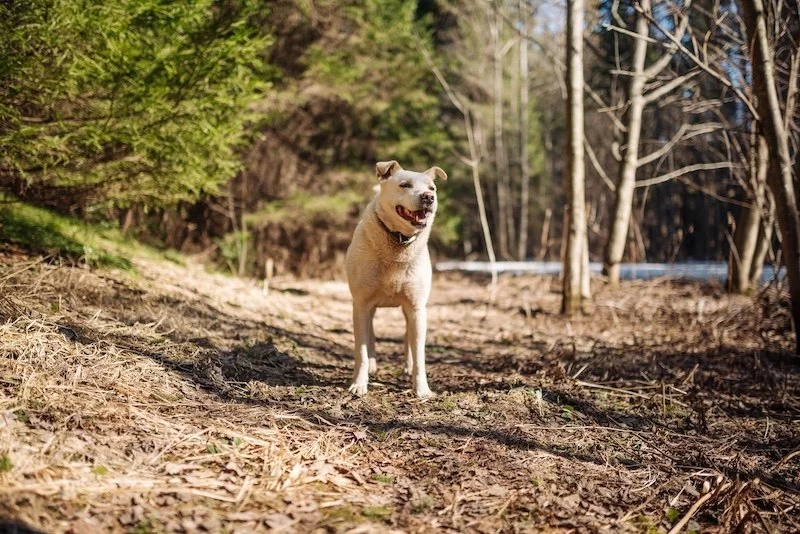
Regular walks are one of the best ways to keep your senior dog active. Not only does it get them moving, but it also provides a great opportunity for socialization and mental stimulation. I make sure to vary our walking routes to keep things interesting. Whether it's a stroll around the neighborhood or a more scenic route, walks are a great bonding experience for you and your dog.
4.3 Explore Low-Impact Sports
For dogs that still enjoy an active challenge, low-impact dog sports like canine freestyle (dog dancing) or nose work can provide both physical and mental stimulation. These activities are designed to be easy on their joints but still fun and engaging. We tried nose work with my senior dog, and it was a game-changer. It kept him mentally engaged and physically active without putting undue strain on his body.
5. Maintaining Mobility and Flexibility in Senior Dogs
5.1 Stretching Exercises
Just like humans, senior dogs can benefit from stretching exercises. Regularly stretching your dog’s muscles and joints helps maintain flexibility and reduces stiffness. Simple stretches like gentle leg lifts, belly rubs, and even light massaging can help keep your dog’s body limber and comfortable. I found that a regular routine of gentle stretching before and after walks helped my senior dog feel more agile.
5.2 Joint Health Support
If your dog suffers from joint pain or arthritis, adding joint supplements to their diet can help support mobility. Omega-3 fatty acids, glucosamine, and chondroitin are often recommended for improving joint health and reducing inflammation. I consulted with our vet and added a joint supplement to my dog’s routine, and it made a noticeable difference in his ability to move comfortably.
6. Real-Life Experiences with Active Senior Dogs
I’ve had the privilege of witnessing my dog’s transformation as we adjusted his activity levels. When I first noticed he was slowing down, I was worried that his days of playing fetch were behind him. But after introducing a combination of short, low-impact walks and mental stimulation games, his energy levels improved dramatically. He wasn’t just more active; he was happier, more alert, and more engaged with his surroundings.
This personal experience reinforces just how important it is to keep senior dogs active, not just for their physical health but also for their mental well-being. I’ve learned that with a little creativity and dedication, senior dogs can continue to enjoy life to the fullest.
If you’re unsure about the best way to support your senior dog’s activity levels, I recommend speaking to your veterinarian. You can also visit 【Hidden Brook Veterinary】 for expert advice and high-quality products to help keep your senior dog healthy and active.