- 1-Understanding-Your-Cat
- 2-Choosing-the-Right-Toys
- 3-Gradual-Introduction-Techniques
- 4-Interactive-Play-and-Engagement
- 5-Monitoring-Behavior-and-Adjusting
- 6-Real-Life-Cat-Stories
- 7-Resources-and-Further-Guidance
1. Understanding Your Cat
When I first brought a new toy home for my cat, Whiskers, I realized that understanding her personality was crucial. Cats have individual preferences, and some are more cautious or playful than others. Observing their daily habits, favorite spots, and prior interactions with toys helps determine the best way to introduce new items. Patience is key; rushing the process can create stress rather than enjoyment.

5650 State Rte (Route) 100 E, Town Center Blvd, Palm Coast, FL 32137, USA
See Details2. Choosing the Right Toys
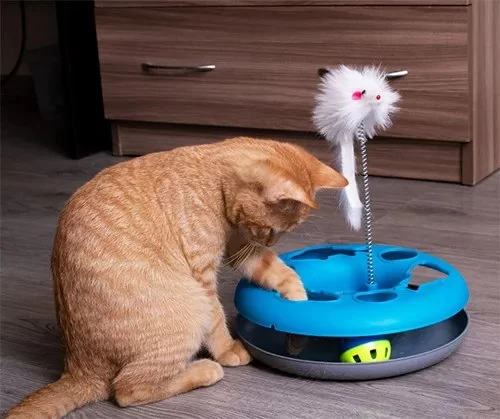
Not all toys appeal to every cat. I learned that selecting toys that cater to a cat’s natural instincts—like pouncing, chasing, or batting—makes the introduction smoother. For Whiskers, I chose feather wands and small, textured balls that could roll unpredictably, engaging her hunting instincts. Consider size, texture, and safety when selecting toys to ensure they are both attractive and secure for your feline friend.

3. Gradual Introduction Techniques
One effective method I use is the gradual introduction. I place the new toy near Whiskers’ favorite resting area without forcing interaction. Over time, I move it closer and occasionally mimic movement with my hand or a wand. This subtle approach allows her to explore at her own pace. Gradual exposure reduces fear and increases curiosity, resulting in a more positive association with the new toy.
4. Interactive Play and Engagement
Engaging directly with the cat during play enhances excitement and confidence. I discovered that using interactive toys together, like a laser pointer or string wand, helps bridge initial hesitation. I make sure to celebrate small successes, encouraging Whiskers to approach and explore. This shared playtime strengthens our bond and makes the toy a source of joy rather than intimidation.
5. Monitoring Behavior and Adjusting
It’s important to observe how your cat reacts. Signs of stress or disinterest, like hiding or avoiding the toy, indicate the need for adjustment. I learned to rotate toys or change the method of introduction based on behavior. Sometimes offering a familiar scent on the new toy—like rubbing a bit of her blanket on it—helps in acceptance. Flexibility ensures that play remains enjoyable and enriching.
6. Real-Life Cat Stories
One memorable experience was introducing a puzzle feeder to Whiskers. At first, she ignored it entirely, but after observing me interacting with it and using gradual encouragement, she became curious. Within a few days, she was happily pawing at the feeder and rewarded herself with treats. This story illustrated that patience, observation, and positive reinforcement are key when introducing any new toy.
7. Resources and Further Guidance
For anyone seeking professional advice or curated toy selections, Hidden Brook Veterinary offers guidance on safe and stimulating toys for cats. Their resources include recommended toy types, introduction strategies, and tips on enhancing feline enrichment. Following their guidance ensures a smoother experience and helps your cat fully enjoy new playtime adventures.