1. Why Do Cats Hate Water Baths?
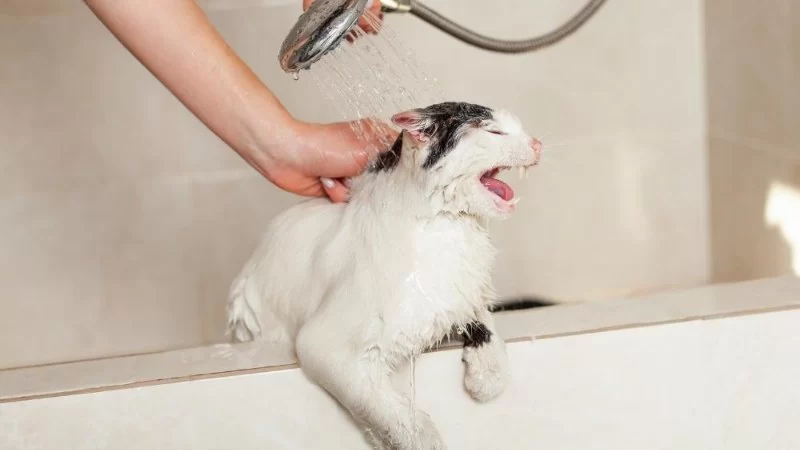
If you’ve ever tried to give your cat a bath, you’ve probably experienced a bit of resistance. From frantic scratching to wild attempts to escape, cats generally don't seem to enjoy being submerged in water. But why is this the case? As a cat owner, I’ve often wondered about the reasoning behind my feline friend’s absolute disdain for water. After doing some research and observing my own cat’s behavior, I discovered several key reasons why most cats simply cannot stand water baths.
2. The Feline Instinct Against Water
Cats are instinctively cautious animals, and this behavior stems from their wild ancestors. In nature, most felines live in dry environments where water is not a daily concern. Their fur is designed to repel water and help them stay dry during rainy conditions or when hunting. The thought of getting their fur wet goes against their natural instincts, which could explain why they act so defensively when placed in a water bath.
In fact, many cats find the sensation of being submerged or having water splashed on them disorienting. Their fur, unlike that of many water-loving animals, isn’t designed to handle large amounts of moisture, which can cause discomfort and lead to stress. This aversion to water is a survival mechanism that has been passed down from their wild ancestors.

3. How a Cat’s Physiology Affects Its Reaction to Water
A cat’s physiology also plays a role in how it reacts to water. Unlike dogs, whose coats tend to dry quickly after getting wet, a cat’s fur is dense and can become heavy when soaked. This makes cats feel vulnerable and exposed, which is not only uncomfortable but also emotionally unsettling for them. Imagine feeling weighed down by a soaking wet coat—that’s likely how your cat feels when submerged in water.
Moreover, cats are highly sensitive to temperature changes. A sudden dip into cold or lukewarm water can be jarring, leading to immediate discomfort. Even if you think the water temperature is just right, your cat may perceive it as too shocking or unpleasant, contributing to the resistance you see when trying to bathe them.
4. Cats and the Sensory Experience of Water
Cats are known for their keen senses, especially when it comes to touch and hearing. When a cat is in water, the sensation of wet fur and the sound of water splashing can be overwhelming. Cats have highly sensitive skin, and their fur acts as a sensory extension of their body. When the fur gets wet, it can feel heavy and foreign to them. Additionally, the sounds of water splashing, along with the vibrations caused by the water, may be unsettling for them.
One thing I’ve noticed with my own cat is that she doesn’t just hate the physical sensation of being wet; she also dislikes the sound and motion of water. This combination of sensory overload makes a bath time ordeal even more distressing for most cats.
5. How to Bathe Your Cat Without Stress
While many cats hate water, there are situations where a bath is necessary, such as for medical reasons or if your cat gets into something messy. If you find yourself in this situation, there are ways to bathe your cat with minimal stress—for both you and your feline companion. Here are a few tips that have worked for me:
- Start Slowly: Gradually introduce your cat to water. Instead of a full bath, try wetting just their paws or using a damp cloth to gently wipe them down. This allows your cat to get used to the sensation of water without overwhelming them.
- Use a Cat-Friendly Shampoo: Always use a shampoo formulated for cats, as their skin is more sensitive than ours. Make sure the shampoo is gentle and doesn’t irritate their skin.
- Keep the Water Lukewarm: Avoid using cold or very hot water, as it can make your cat uncomfortable. Lukewarm water is generally the most comfortable and soothing.
- Use a Sink Instead of a Tub: If you’re trying to bathe your cat, consider using a small sink rather than a large bathtub. The confined space feels less overwhelming to most cats.
- Stay Calm: Cats can sense their owner’s emotions, so if you stay calm and collected, your cat is more likely to remain relaxed during the process.
6. Alternatives to Bathing Your Cat
Bathing your cat doesn’t always have to be the solution. In fact, cats are usually very clean animals that groom themselves regularly. If your cat is resistant to baths, here are a few alternatives you can consider:
- Dry Shampoo for Cats: If your cat has gotten into something sticky or messy, dry shampoo can help clean them without the need for a full bath. Simply apply the dry shampoo and brush it through their fur.
- Wipes: Cat-specific grooming wipes are a great alternative to baths, especially for cleaning small areas like paws or around the face.
- Professional Grooming: If your cat’s coat needs extra care, consider taking them to a professional groomer who is experienced in handling cats and their grooming needs.
7. When to Seek Veterinary Help
In some cases, cats may develop an aversion to water due to medical issues, such as skin infections or allergies. If you notice that your cat’s dislike for water is accompanied by excessive scratching, redness, or unusual behavior, it might be worth consulting with a veterinarian. They can check for any underlying health conditions that could be affecting your cat’s skin or overall comfort.
At Hidden Brook Veterinary, we can offer advice on how to properly care for your cat’s health and grooming needs, ensuring that your feline stays comfortable and well-groomed without the stress of a traditional bath.