How to Recognize and Treat Eye Infections in Pets
eye infections in pets, pet eye infection treatment, common pet eye problems, symptoms of eye infection in pets, how to treat pet eye infections, pet health, veterinary care for pets, pet care for eye infections, preventing eye infections in pets
Learn how to recognize and treat eye infections in pets. Understand the symptoms, causes, and treatment options to ensure your furry friend stays healthy and comfortable. Expert advice on managing pet eye health and preventing future infections.
- How to Recognize Eye Infections in Pets
- Common Causes of Eye Infections in Pets
- Treatment Options for Pet Eye Infections
- How to Prevent Eye Infections in Pets
- Real-Life Story: Treating My Dog's Eye Infection
How to Recognize Eye Infections in Pets
When your pet develops an eye infection, it can be quite concerning, especially if you're not sure what symptoms to look for. In my own experience, the first thing I noticed was my dog’s eye starting to water excessively, and she kept rubbing it with her paw. Eye infections in pets often begin with redness, swelling, and discharge, and they can affect one or both eyes.
Some common signs of eye infections in pets include:
- Red or bloodshot eyes: A clear sign of irritation or infection.
- Excessive tearing or discharge: Mucus or pus-like discharge is often seen in pets with eye infections.
- Squinting or sensitivity to light: Pets may squint or hide their eyes from bright light due to discomfort.
- Rubbing or pawing at the eyes: Pets will often try to relieve the irritation themselves by pawing at their eyes.
If you notice any of these signs, it's crucial to take action promptly. Eye infections can cause pain and potentially lead to more serious complications if left untreated.
Common Causes of Eye Infections in Pets
Eye infections in pets can be caused by a variety of factors. Understanding the root cause is key to effective treatment. Here are some of the most common causes:
- Allergies: Pets, like humans, can suffer from allergies that cause irritation and lead to eye infections. Dust, pollen, and certain foods can trigger allergic reactions in pets.
- Foreign objects: Small debris, such as dust, sand, or even a hair, can get lodged in a pet’s eye and cause an infection if not removed.
- Conjunctivitis (Pink Eye): This is a common eye infection in pets, often caused by bacteria or viruses, leading to inflammation of the conjunctiva (the pink tissue inside the eyelid).
- Injury or trauma: Scratches or injuries to the eye can lead to infection, especially if the eye becomes scratched by another animal or object.
- Dry eye (Keratoconjunctivitis Sicca): A condition in which a pet’s eye doesn't produce enough tears, making it more prone to infections.
Each of these causes requires specific treatment, so it's important to consult a veterinarian for a proper diagnosis.

Treatment Options for Pet Eye Infections
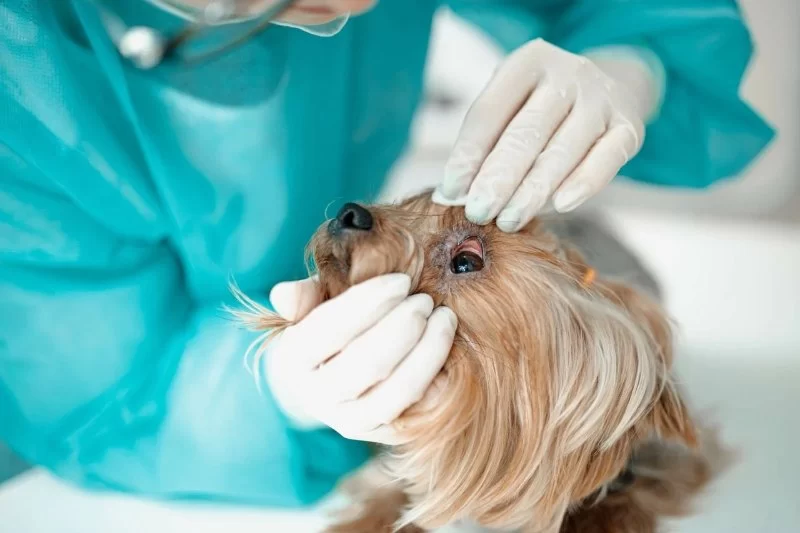
If you suspect that your pet has an eye infection, seeking veterinary care is essential. In my experience, my vet recommended a thorough eye examination, followed by one of several treatment options, depending on the cause of the infection. Some common treatments include:
- Topical antibiotics: For bacterial infections, your vet may prescribe antibiotic eye drops or ointments to treat the infection and reduce inflammation.
- Anti-inflammatory medications: If your pet's eye is swollen and inflamed, your vet might recommend anti-inflammatory medications to reduce discomfort and swelling.
- Cleaning the eyes: Gentle eye cleaning with saline solution or a vet-approved eye wipe can help remove any discharge or debris and promote healing.
- Antihistamines: If the eye infection is caused by allergies, antihistamines or allergy medications may be prescribed to reduce the allergic reaction.
- Surgical intervention: In some rare cases, if the infection is caused by a foreign object or a more serious condition like a tumor, surgery might be necessary.
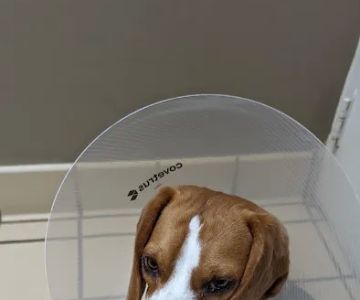
Following your vet's instructions carefully, such as applying medication on time and keeping your pet from rubbing their eyes, will help ensure a successful recovery.
How to Prevent Eye Infections in Pets
As with many health issues, prevention is always better than treatment. While you can’t always prevent eye infections, there are steps you can take to reduce the risk:
- Regular grooming: Keeping your pet clean and free of excessive fur around their eyes can help prevent debris from entering the eyes.
- Monitor allergies: If you know your pet suffers from allergies, try to limit their exposure to common allergens, and speak to your vet about appropriate treatments.
- Eye protection: If your pet spends a lot of time outdoors or in dusty environments, consider using protective eyewear to shield their eyes from debris.
- Routine eye check-ups: Regular vet visits can help catch any early signs of eye issues before they become infections.
- Proper hydration: Ensure your pet stays hydrated, as dry eyes can lead to infection if not properly managed.
Real-Life Story: Treating My Dog's Eye Infection
I remember the first time I noticed my dog, Bella, rubbing her eye incessantly. She had red, watery eyes, and I was immediately concerned. After a quick visit to my vet, I learned that Bella had conjunctivitis, a common but treatable eye infection. Bella was given antibiotic eye drops, and I had to keep her from rubbing her eyes, which was a bit challenging at first. Within a week, she was feeling much better, and her eye cleared up completely.
This experience reinforced the importance of early detection and treatment. Eye infections, when treated promptly, are usually not too serious, but leaving them untreated can lead to more significant health problems for your pet. Bella’s recovery was a relief, and it reminded me just how essential regular check-ups are for our furry friends.