How to Choose the Right Brush for Your Pet’s Coat: A Complete Guide
how to choose the right brush for your pet, pet grooming brush, best brush for dog coat, cat grooming brush, brush for pet fur, grooming tips for pets, dog grooming, cat coat care, brushing your pet
Discover how to choose the right brush for your pet’s coat. Learn about the different types of brushes available and how they can help maintain your pet’s fur while keeping them comfortable and healthy. Get tips for proper pet grooming.
- Why Brushing Your Pet Is Important
- Different Types of Brushes for Pets
- How to Choose the Right Brush for Your Pet’s Coat
- Proper Brushing Techniques for Dogs and Cats
- Real-Life Story: A Pet Owner’s Journey to Choosing the Right Brush
Why Brushing Your Pet Is Important
As a pet owner, one of the most important aspects of grooming is brushing your pet’s coat. Regular brushing not only keeps your pet looking their best, but it also plays a crucial role in maintaining their overall health. I’ve found that brushing helps prevent mats, tangles, and skin irritations. Additionally, it promotes healthy blood circulation and can even help reduce shedding.
For dogs, brushing can also prevent the buildup of dirt and oils, while for cats, it’s particularly important for indoor pets that may not groom themselves as effectively. Brushing is a bonding experience too—it’s a time where you can both relax and enjoy each other’s company while also ensuring your pet stays comfortable and healthy. From my own experience, a well-brushed pet is often a happier, more content pet.
Different Types of Brushes for Pets
Choosing the right brush can be tricky, especially with the wide variety of brushes available on the market. Each type of brush is designed for different coat types and grooming needs. Here’s a breakdown of the most common types of pet brushes:

1. Slicker Brushes
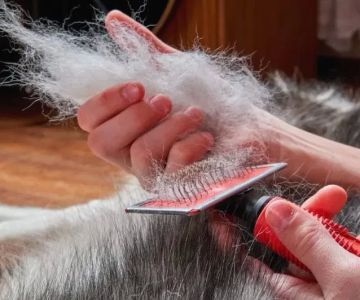
Slicker brushes are great for pets with medium to long hair. These brushes have fine, short wires that are close together, making them perfect for removing mats and tangles. They’re also effective at removing loose fur and dirt. I use a slicker brush for my long-haired dog, and it works wonders at keeping her coat smooth and tangle-free. However, it's important to use a gentle hand to avoid irritating your pet's skin.
2. Bristle Brushes
Bristle brushes are ideal for pets with short hair, as they help distribute natural oils and keep the coat looking shiny. They’re also perfect for brushing over delicate areas like your pet’s face and ears. I’ve used a bristle brush on my short-haired cat, and it works beautifully to keep her coat smooth without irritating her skin. These brushes are gentle and great for daily maintenance.
3. Pin Brushes
Pin brushes are similar to slicker brushes but feature longer, more widely spaced pins. They’re designed to untangle and remove loose fur from medium to long-haired pets. These brushes are particularly useful for breeds with thick or double coats, as they help prevent mats from forming. I once used a pin brush on my retriever during shedding season, and it really helped reduce the amount of loose fur on the floor!
4. Undercoat Rakes
If you have a pet with a thick undercoat, an undercoat rake is a must-have. These brushes are specifically designed to reach deep into your pet’s fur and remove loose undercoat without damaging the topcoat. I found that using an undercoat rake on my husky significantly reduced shedding and kept his coat healthy. It's a great tool for breeds like Huskies, Golden Retrievers, and other dogs with thick fur.
5. Deshedding Tools
Deshedding tools are designed to reduce shedding by removing loose undercoat hairs. These tools are especially useful during seasonal shedding periods when your pet sheds more than usual. I’ve used a deshedding brush on my Labrador, and it worked wonders in minimizing the amount of fur around the house. However, it’s important to use these tools sparingly, as excessive use can cause irritation to your pet’s skin.
How to Choose the Right Brush for Your Pet’s Coat
Choosing the right brush for your pet depends on their coat type, length, and grooming needs. Here are a few factors to consider when selecting a brush:
1. Coat Length
For pets with short coats, a simple bristle brush or a rubber brush will do the job. For pets with longer coats, a slicker or pin brush is typically needed to handle tangles and mats. Consider how much maintenance your pet’s coat requires—if it’s prone to tangling, you might need a more specialized brush.
2. Coat Type
Pets with double coats (like Huskies and German Shepherds) require a brush that can handle both the topcoat and undercoat. In this case, an undercoat rake or deshedding tool would be ideal. For pets with single coats, a bristle or pin brush may be sufficient to keep their coat healthy and shiny.
3. Sensitivity
Some pets have more sensitive skin than others, so it’s important to choose a brush that’s gentle enough for their comfort. For sensitive skin, look for brushes with soft bristles or rounded pins. I’ve found that my cat responds better to a gentle bristle brush than a slicker brush, as it’s less likely to irritate her delicate skin.
Proper Brushing Techniques for Dogs and Cats
Brushing your pet isn’t just about the right tool—it’s also about using the correct technique. Here’s how I approach brushing for both dogs and cats:
1. Start Slow
Whenever I introduce a new brush to my pets, I start slow and gentle. I allow them to sniff the brush and get used to it before beginning. Slowly and gently brushing in the direction of hair growth helps avoid pulling or discomfort.
2. Focus on Problem Areas
For pets with longer coats, I focus on areas where mats and tangles tend to form, such as behind the ears and under the legs. I gently work through any knots, using my fingers to separate the hair before brushing through them. I also recommend brushing your pet’s coat regularly—daily for long-haired pets—to avoid matting.
3. Be Patient
Brushing can sometimes be a relaxing activity, but it can also take some time, especially if your pet has a thick or long coat. I’ve learned that being patient and giving my pets breaks during brushing sessions helps keep them calm and comfortable.
Real-Life Story: A Pet Owner’s Journey to Choosing the Right Brush
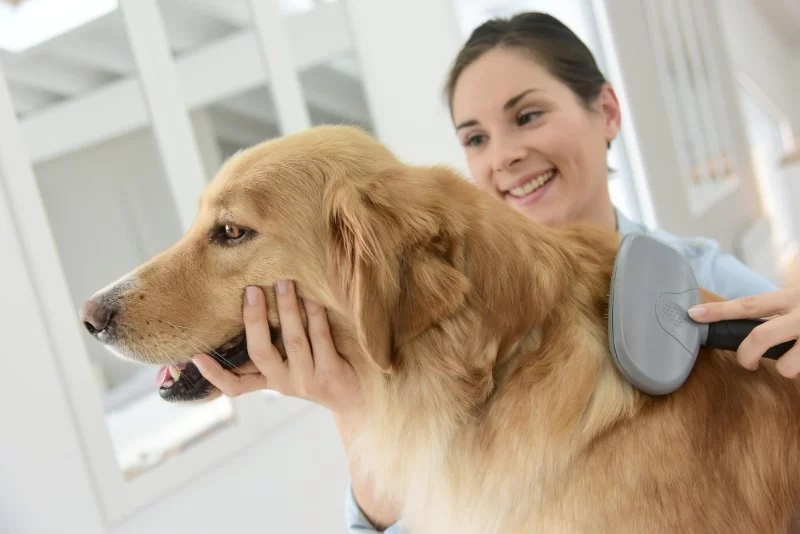
When I first got my dog, Max, a Golden Retriever, I wasn’t sure how to handle his thick, double coat. The amount of shedding he did was overwhelming, and I didn’t know where to start with brushing. I tried several brushes before finally finding the right one—a deshedding tool that worked wonders. Max loved the feeling of the brush, and it helped remove so much loose fur, reducing shedding significantly. Today, Max’s coat looks healthy and shiny, and brushing him has become a regular part of our routine.
Finding the right brush made all the difference in my grooming routine, and I highly recommend doing the same for your pets. Whether you have a long-haired dog or a short-haired cat, the right brush can make grooming more enjoyable and effective for both you and your pet!