- 1 - Understanding Grooming Sensitivities in Pets
- 2 - Recognizing the Signs of Grooming Sensitivities in Pets
- 3 - Techniques to Comfortably Groom Sensitive Pets
- 4 - Choosing the Right Tools for Sensitive Pets
- 5 - Why Choose Hidden Brook Veterinary for Your Pet's Grooming Needs
1 - Understanding Grooming Sensitivities in Pets
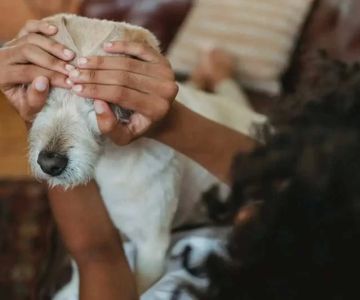
As a pet owner, one of the most challenging aspects of caring for my furry friends has been grooming. While grooming is essential for your pet’s hygiene and well-being, it can be a stressful experience for many animals. Just like people, pets can have sensitivities, whether it's to touch, certain materials, or the sensation of brushing or bathing.
Grooming sensitivities can be especially common in pets with long fur, older pets, or those with a history of trauma or injury. For example, pets with sensitive skin might experience discomfort from certain grooming techniques or products, and some animals may simply feel anxious about the grooming process itself.
Understanding your pet’s individual sensitivities is the first step toward making grooming a more comfortable experience for both of you. In this article, I’ll share some of the ways to identify and manage grooming sensitivities in pets, as well as offer tips and advice on how to make the process easier.

2 - Recognizing the Signs of Grooming Sensitivities in Pets
The first step to helping a pet with grooming sensitivities is recognizing the signs of discomfort. Early identification can prevent future stress and make grooming a more positive experience. Here are some common signs that your pet may have grooming sensitivities:
- Whining or whimpering: If your pet vocalizes during grooming, it may indicate discomfort or fear.
- Pulling away or trying to escape: If your pet frequently moves away from the brush or resists being touched, it may be a sign of sensitivity to grooming.
- Agitation or aggression: Some pets may become aggressive or overly agitated when touched in certain areas or when they feel restrained during grooming.
- Skin redness or irritation: If your pet’s skin becomes red or inflamed after grooming, this could indicate sensitivity to grooming tools or products.
If you notice any of these signs, it’s important to adjust your approach to grooming. Over time, you can gradually desensitize your pet to grooming by making the experience more positive and less stressful.

3 - Techniques to Comfortably Groom Sensitive Pets
When grooming a pet with sensitivities, patience and understanding are key. Here are some techniques I’ve found useful in making grooming more comfortable for sensitive pets:
- Take it slow: Start with short grooming sessions and gradually increase the length as your pet becomes more comfortable. This helps to prevent overwhelm and allows your pet to get used to the process.
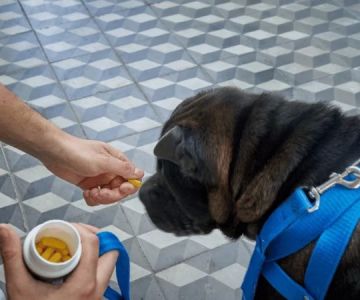
- Use positive reinforcement: Reward your pet with treats, praise, or playtime after each grooming session to create positive associations with the experience.
- Desensitize your pet to grooming tools: Before using a grooming tool, gently introduce it to your pet by letting them sniff it and get used to its presence. Start with gentle strokes or brushing on less sensitive areas, like the back or legs, before progressing to more sensitive spots.
- Stay calm and patient: Pets often pick up on their owners' emotions, so staying calm and gentle during the grooming process will help your pet feel more at ease.
These techniques can make the grooming process more enjoyable for both you and your pet, reducing anxiety and discomfort over time.
4 - Choosing the Right Tools for Sensitive Pets
Using the right tools is essential for a comfortable grooming experience, especially for sensitive pets. When I first started grooming my pet with sensitivities, I didn’t realize how important it was to choose tools that were designed for delicate skin or fur. Here are some tips on selecting the right grooming tools:
- Soft brushes and combs: Opt for brushes with soft bristles or wide-tooth combs that won’t pull or irritate your pet’s skin.
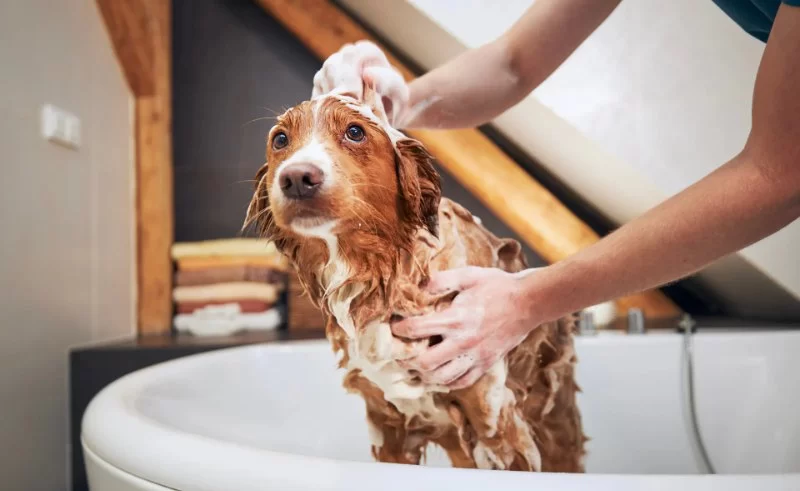
- Gentle shampoos: Use hypoallergenic, natural, or sensitive skin shampoos that are free of harsh chemicals or fragrances.
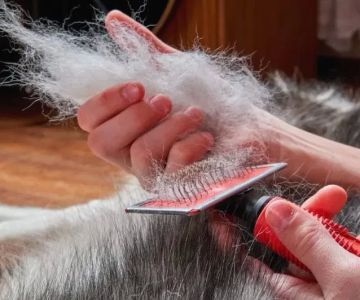
- Mat removers: For pets with long fur, a mat remover tool can help you gently detangle knots without pulling on the hair.
- Pet wipes: Pet wipes can be a great alternative for pets that are sensitive to water or find baths too stressful.
Choosing the right grooming tools based on your pet’s specific sensitivities can make a huge difference in their grooming experience. With the right tools, grooming can be a much more comfortable process for your pet and less stressful for you.
5 - Why Choose Hidden Brook Veterinary for Your Pet's Grooming Needs
If you're unsure about how to handle your pet's grooming sensitivities or need expert advice, Hidden Brook Veterinary is an excellent resource. Their team of professionals can guide you through the grooming process and offer tips for managing sensitive pets. They also provide grooming services for pets with special needs, ensuring that your pet’s experience is as comfortable as possible.
At Hidden Brook Veterinary, they understand that every pet is unique. Whether your pet has a specific grooming sensitivity or simply needs a gentle touch, their team can tailor the grooming experience to suit your pet’s needs. Their expertise in handling pets with sensitivities will ensure that your furry friend receives the best care possible.
Visit Hidden Brook Veterinary to find the best grooming options for pets with sensitivities, and rest assured that your pet will be in safe hands.