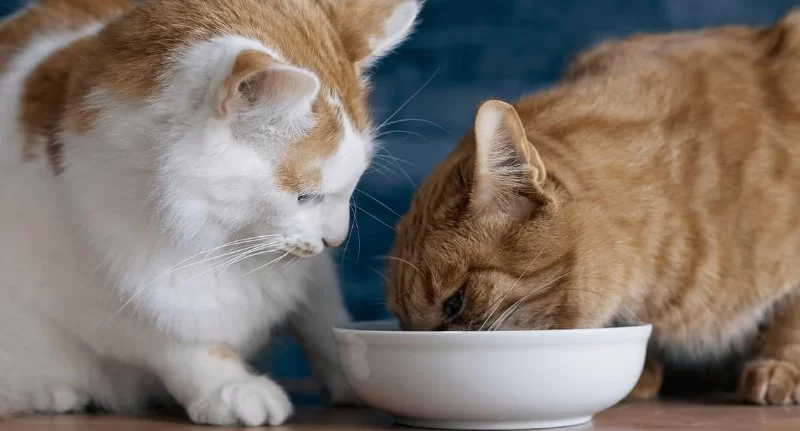
1. How to Feed Multiple Pets Without Fighting
Feeding multiple pets can be a bit of a juggling act, especially when you have animals with different personalities or feeding habits. I’ve been there myself – trying to feed my dogs and cats while making sure no one ends up fighting over food. After many trials, I’ve learned that with the right approach and some careful planning, mealtime can be a peaceful and enjoyable experience for everyone. In this article, I’ll share some of the best strategies and tips I’ve discovered for feeding multiple pets without the drama.

2. Establishing a Feeding Routine
One of the first things I did to prevent fights during mealtime was to establish a consistent feeding routine. Pets, just like humans, thrive on routine, and knowing when and where to expect food can help reduce anxiety and territorial behavior. I found that setting specific feeding times and sticking to them helped both my pets and me feel more organized.
It’s essential to feed your pets at the same time every day. By doing this, they start to understand that they will get their meal at certain times, which reduces the likelihood of them becoming anxious and possessive over food. In my experience, pets that are fed at regular intervals tend to be more relaxed and content during mealtime.

3. Separate Feeding Areas
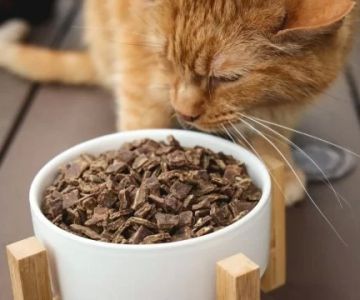
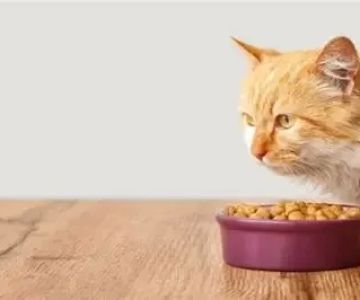
One of the best decisions I made for preventing food-related conflicts was setting up separate feeding areas for each pet. I have a multi-pet household, and I quickly learned that putting the dogs and cats in close proximity during mealtime led to territorial disputes. Now, each pet has its own designated feeding area, and this has worked wonders for preventing fights and ensuring that each animal has its own space to enjoy its food.
For dogs, I’ve set up a feeding station in the kitchen, away from the cats’ feeding area, and the cats eat in a quiet corner of the living room. This setup ensures that each pet feels secure and can eat in peace without being distracted or feeling threatened by the other animals. If you have multiple pets, I highly recommend giving each of them their own space during meals.
4. Feeding on a Schedule for Each Pet
Another important tip I learned was to feed each pet on its own schedule. Some pets are slower eaters, while others inhale their food within seconds. By giving each pet a bit of extra time to finish their meal, I’ve been able to prevent one animal from finishing too quickly and then trying to steal food from the others. This is especially useful if you have pets with different feeding speeds.
I created a feeding schedule for my pets, so they all have time to enjoy their meals without feeling rushed or distracted by the others. For example, I feed my dogs first, give them a few minutes to finish, and then feed the cats. This ensures that no one feels the need to compete for food and reduces the likelihood of fights breaking out.
5. Using Food Dispensing Toys and Feeders
Food-dispensing toys and feeders are another great way to prevent fighting during mealtime. These toys not only slow down the eating process (which can be great for pets that tend to gobble up their food too quickly), but they also provide mental stimulation and help keep your pets engaged. I’ve used puzzle feeders for both my dogs and cats, and they’ve helped to keep my pets occupied and less focused on each other during mealtime.
For example, my dogs love the Kong Wobbler food dispenser, which makes them work for their food by knocking it around. This slows down their eating and provides a fun challenge. For my cats, I use a Catit Senses Food Tree, which encourages them to work for their food and keeps them distracted. By giving each pet a different method of accessing their food, I’ve reduced the chances of any food-related competition.
6. Using Food as a Reward for Positive Behavior
Another technique I’ve found useful is using food as a reward for positive behavior during mealtime. When introducing new pets into the household or reinforcing good behavior, I’ve found that offering treats or meals as a reward for calm and cooperative behavior helps establish a peaceful mealtime routine.
For example, if my pets remain calm while I prepare their food and wait patiently for me to serve it, I’ll reward them with a special treat or give them an extra helping of their meal. Over time, I’ve noticed that this reinforces positive behavior and reduces the likelihood of any fighting over food.
7. Managing Different Diets and Feeding Needs
If you have pets with different dietary needs or preferences, feeding them can get tricky. I’ve learned that managing these needs requires a bit of extra attention, but it’s possible to keep things running smoothly. For example, one of my dogs has food allergies and requires a special diet, while the other can eat regular food. I make sure to store their food separately and feed them in their designated areas to avoid any confusion or cross-contamination.
For pets with different diets, I recommend consulting your vet for advice on how to meet each pet's nutritional needs while keeping feeding time stress-free. A simple solution can be feeding them at different times or using separate bowls and storage for each pet’s food. This not only ensures that your pets get the right food but also reduces any jealousy or aggression that might arise during mealtime.
8. Where to Find the Best Feeding Tools and Resources
If you’re looking for high-quality pet feeding tools, I recommend checking out Hidden Brook Veterinary. They offer a variety of products, including food dispensers, specialized feeders, and pet food storage solutions to help you manage your pets’ feeding routine. Whether you’re dealing with multiple pets or just want to make mealtime easier and more organized, they have everything you need to create a harmonious feeding experience for your pets.