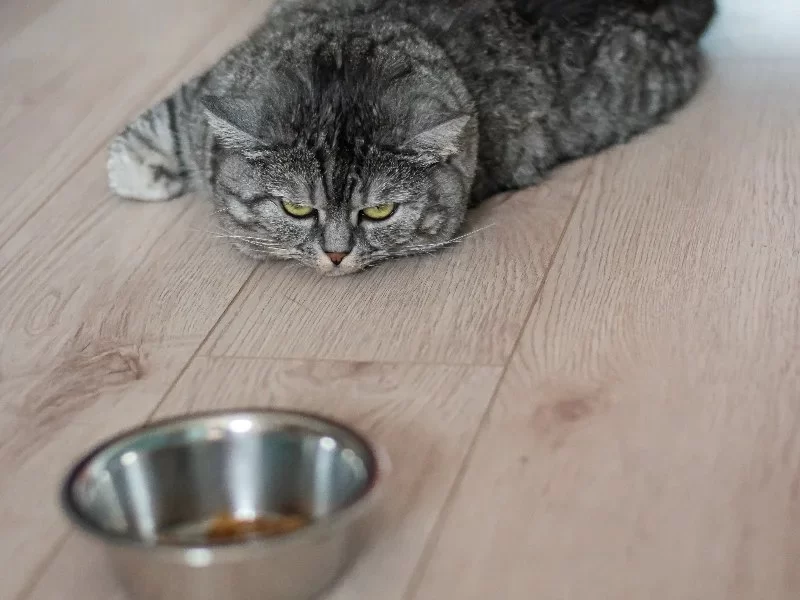
- Why Do Cats Refuse to Eat Dry Food?
- Common Reasons Cats Won't Eat Dry Food
- How to Solve the Issue of a Cat Not Eating Dry Food
- Alternatives to Dry Food for Cats
- Real-Life Experiences: Cats Who Stopped Eating Dry Food
Why Do Cats Refuse to Eat Dry Food?
If you've noticed that your cat is refusing to eat dry food, you're not alone. As a cat owner, I’ve dealt with this issue firsthand and know how frustrating it can be. Cats are often picky eaters, and their food preferences can change for a variety of reasons. While some cats may simply have a preference for wet food, others may refuse dry food due to health or environmental factors. Understanding the cause of the refusal is key to solving the problem and ensuring your cat receives the proper nutrition.
In some cases, the issue may be related to the quality or taste of the dry food itself. Cats are known to be sensitive to texture and aroma, so if the food doesn't appeal to them, they may simply turn their nose up at it. However, there are also more serious reasons why your cat might avoid dry food, such as dental problems, digestive issues, or even emotional stress.
Common Reasons Cats Won’t Eat Dry Food
Understanding why your cat refuses to eat dry food is crucial in finding a solution. There are several common reasons that may be contributing to the issue:
1. Dental Problems
Dental health is often a major factor when cats refuse to eat dry food. Dry kibble requires more chewing than wet food, so if your cat has a toothache, gum disease, or loose teeth, it may be avoiding dry food because it causes discomfort. I learned this the hard way when my own cat, Charlie, started skipping dry meals. After a visit to the vet, we discovered that Charlie had a dental infection that was making it painful for him to chew. Once treated, he was able to eat his dry food again without any issues.
2. Digestive Problems
Some cats have sensitive stomachs and find dry food difficult to digest. If your cat is prone to vomiting, diarrhea, or constipation after eating dry food, it could be a sign that their digestive system isn’t handling it well. In these cases, it’s best to consult with your vet to rule out any underlying gastrointestinal issues. My friend’s cat, Felix, would often refuse dry food after an upset stomach, and it turned out he had a mild food intolerance that was causing the problem.
3. Lack of Appetite Due to Stress
Cats are highly sensitive to their environment, and stress can cause them to lose their appetite. Changes in the household, such as a move, a new pet, or even loud noises, can affect a cat's eating habits. I’ve seen this happen with my own cats; when we moved to a new home, one of my cats, Luna, refused to eat her dry food for several days due to the unfamiliar environment. Once things settled down and she adjusted, her appetite returned to normal.
4. The Dry Food Isn’t Appealing
Sometimes, cats simply don’t like the dry food they are given. This could be due to a change in formulation, an unappealing flavor, or even the texture of the food. Cats have very sensitive palates, and if the food doesn't meet their standards, they may refuse it. I’ve had to try several brands before finding one that my cat liked, so experimenting with different types of dry food might help solve the issue.
5. Aging or Health Conditions
Older cats may refuse dry food because their sense of smell or taste diminishes over time, or they may experience changes in their metabolism. Cats with kidney disease, for example, often have difficulty eating dry food due to dehydration and may prefer wet food. If your cat is older or has been diagnosed with a health condition, it’s essential to adjust their diet accordingly. Regular vet check-ups can help identify any underlying health problems that might be causing eating issues.
How to Solve the Issue of a Cat Not Eating Dry Food
If your cat refuses to eat dry food, there are several steps you can take to address the issue. Here are some effective solutions based on my experience and expert advice:
1. Switch to a Different Brand or Flavor
Sometimes, the easiest solution is to try a different brand or flavor of dry food. Cats have individual preferences, and what works for one cat may not work for another. If you’ve been using the same brand for a while, consider switching to something with a different taste or texture. If you’ve never experimented with grain-free or high-protein dry foods, it might be worth trying them out to see if your cat prefers them.
2. Mix Wet Food with Dry Food
If your cat is simply not interested in dry food, try mixing it with wet food to make it more appealing. Many cats love the moist texture of wet food, so adding a little wet food to their dry kibble can help entice them to eat. I’ve found that my cat, Max, is much more likely to eat his dry food when it’s paired with a small amount of his favorite wet food.
3. Warm Up the Dry Food
Warming up dry food can enhance its aroma and make it more appealing to your cat. Try adding a small amount of warm water to the kibble to release its natural scent. Just be sure not to make the food too hot, as this can damage the nutrients. Warming the food slightly can make it smell more enticing, which may encourage your cat to eat.
4. Ensure Your Cat’s Teeth Are Healthy
If dental problems are the cause of your cat’s refusal to eat dry food, it’s essential to have their teeth checked by a vet. Professional dental cleanings can remove plaque and tartar, improving your cat’s ability to chew dry food. Regular at-home dental care, such as brushing your cat’s teeth, can also help prevent future issues.
5. Provide a Calm and Stress-Free Environment
If stress is causing your cat to lose interest in dry food, try to minimize changes in their environment. Make sure they have a quiet, safe space to eat without distractions. If there are other pets or family members that might be causing anxiety, try to create a calm feeding routine to help them feel more comfortable.
Alternatives to Dry Food for Cats
If your cat refuses to eat dry food altogether, don’t worry! There are plenty of alternatives that can provide the necessary nutrition your cat needs to stay healthy. Wet food is a great alternative, as it’s easy to digest, hydrating, and often more appetizing for picky eaters. Additionally, some cats may prefer freeze-dried or dehydrated food, which offers the convenience of dry food while retaining the moisture and flavor of wet food.
1. Wet Food
Wet food is an excellent option for cats who refuse dry food. It comes in a variety of flavors, textures, and formulations, so you can experiment with different brands to find one your cat enjoys. Wet food is also a good option for cats with dental issues, as it doesn’t require as much chewing as dry kibble.
2. Freeze-Dried or Dehydrated Food
Freeze-dried or dehydrated food provides a convenient, nutritious alternative to traditional dry food. These foods maintain most of their nutrients and flavors but are typically more appealing to cats due to their moisture content. Rehydrating the food is simple, and many cats find it much tastier than regular dry kibble.
Real-Life Experiences: Cats Who Stopped Eating Dry Food
I’ve encountered several cases where cats stopped eating dry food due to various reasons. For instance, my friend Karen had a senior cat named Felix who refused dry food due to a dental issue. After switching to wet food and providing Felix with regular dental cleanings, he was able to enjoy his meals again. Similarly, my own cat, Luna, stopped eating dry food when we moved to a new home. Once we established a calm, familiar environment and switched to a grain-free brand, Luna started eating her meals with enthusiasm.
If you're struggling with your cat’s eating habits, I recommend visiting Hidden Brook Veterinary for advice and recommendations on the best products for picky eaters and cats with health issues. They offer expert guidance and products that can help your cat return to a healthy eating routine.