- 1-Understanding Kidney Disease in Senior Cats
- 2-Why a Proper Diet Is Crucial for Cats with Kidney Disease
- 3-The Best Ways to Feed Senior Cats with Kidney Problems
- 4-Foods and Nutrients to Include in a Kidney Disease Diet
- 5-How to Monitor and Adjust Your Cat’s Diet
1. Understanding Kidney Disease in Senior Cats
If you have a senior cat, you may have heard about kidney disease, or perhaps you've already experienced it with your furry friend. As cats age, they become more prone to health issues, and one of the most common conditions affecting older cats is kidney disease. Kidney disease in cats is a progressive condition that can have a major impact on their overall health, energy levels, and quality of life. It is often diagnosed in cats over the age of 7, but it can occur in younger cats as well.
Chronic kidney disease (CKD) is particularly common in senior cats, and it occurs when the kidneys gradually lose their ability to filter waste from the blood, balance fluids, and regulate essential nutrients. While kidney disease is not curable, the progression can be slowed with proper care, especially through diet. This is where understanding the best ways to feed senior cats with kidney problems becomes essential for their health and well-being.

1.1 Signs and Symptoms of Kidney Disease in Cats
Before diving into the dietary solutions, it’s important to recognize the signs of kidney disease in senior cats. Some of the most common symptoms include:
- Increased thirst and urination
- Weight loss
- Loss of appetite
- Vomiting
- Dehydration
- Bad breath (often with an ammonia smell)
If your cat is showing any of these symptoms, it’s important to schedule a vet visit for diagnosis and advice on how to best care for your pet.
2. Why a Proper Diet Is Crucial for Cats with Kidney Disease
A proper diet plays a vital role in managing kidney disease in cats. Since the kidneys are responsible for processing proteins, phosphorus, and other key nutrients, feeding your cat the right food can help alleviate the burden on their kidneys and provide them with the essential nutrients they need for energy and overall health. Diets formulated for kidney disease are designed to reduce the workload on the kidneys while ensuring that your cat receives the right balance of protein, fat, and essential vitamins.
In particular, a diet low in phosphorus and moderate in protein is recommended for cats with kidney disease. Too much protein can overwhelm the kidneys, but too little can lead to malnutrition. A balance is key to preventing further damage to the kidneys and ensuring your cat has enough energy to feel good and maintain their weight.
3. The Best Ways to Feed Senior Cats with Kidney Problems
Feeding a senior cat with kidney problems requires careful thought and attention. After working closely with veterinarians and learning from other cat owners, I’ve discovered several strategies to help manage kidney disease through diet. Here are the best ways to feed your senior cat with kidney problems:
3.1 Choose Specialized Kidney-Friendly Cat Food
The first step is to switch to cat food specifically formulated for kidney disease. These foods typically have lower phosphorus levels and higher-quality proteins. They are also designed to support kidney function by providing essential fatty acids and omega-3s. Some high-quality commercial foods for kidney disease include Hill’s Prescription Diet k/d, Royal Canin Renal Support, and Purina Pro Plan Veterinary Diets NF Kidney Function.
These foods are tailored to address the specific nutritional needs of cats with kidney disease, ensuring they get the right nutrients without overwhelming their kidneys.
3.2 Incorporate Wet Food into Their Diet
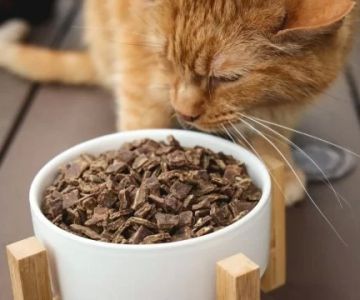
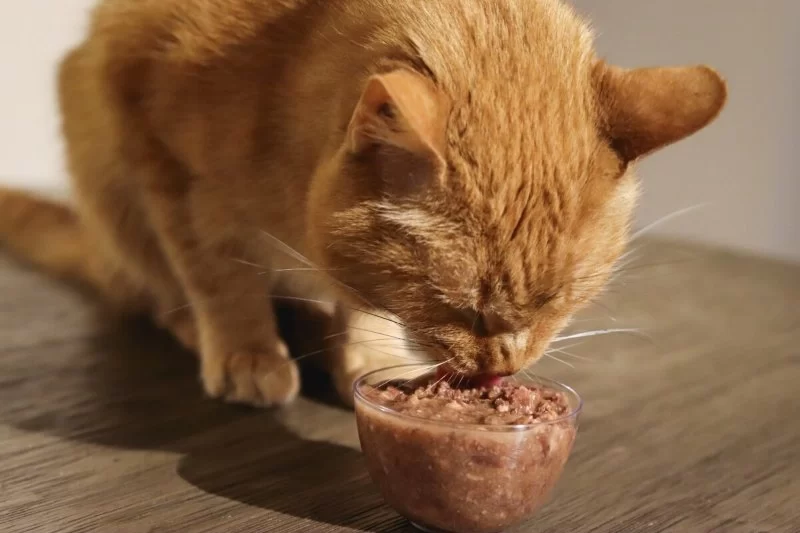
One of the key recommendations for senior cats with kidney disease is to feed them wet food rather than dry kibble. Wet food is not only easier to eat but also helps keep your cat hydrated, which is essential since dehydration is a common issue for cats with kidney problems. The moisture content in wet food supports kidney function and helps prevent further complications.
3.3 Offer Smaller, More Frequent Meals
Many cats with kidney disease lose their appetite or eat less frequently due to nausea or discomfort. To make sure your cat gets the nutrition they need, offer smaller meals throughout the day instead of one or two large meals. This approach can help stimulate their appetite and ensure that they are eating enough to support their health.
4. Foods and Nutrients to Include in a Kidney Disease Diet
When managing kidney disease in senior cats, it’s important to focus on foods that support kidney function and overall health. Here are some key nutrients and foods to include in your cat’s diet:
4.1 High-Quality Protein
Cats need protein for energy and tissue repair, but too much protein can put extra strain on the kidneys. It’s essential to choose high-quality protein sources such as chicken, turkey, and fish, which provide the necessary amino acids for your cat’s body without overwhelming the kidneys. Avoid protein from lower-quality animal sources, as they can contribute to kidney damage.
4.2 Omega-3 Fatty Acids
Omega-3 fatty acids, especially those from fish oil, are known for their anti-inflammatory properties and their ability to support kidney health. These fatty acids can help reduce inflammation in the kidneys and may slow the progression of kidney disease in cats. Look for wet foods that are rich in omega-3s or consider adding a fish oil supplement to your cat’s diet, with your vet’s approval.
4.3 Reduced Phosphorus
Reducing phosphorus intake is a key part of managing kidney disease in cats. Phosphorus can build up in the blood and cause further damage to the kidneys. Specialized kidney food is designed with low phosphorus levels to help prevent this from happening. Avoid feeding your cat foods that are high in phosphorus, such as certain fish and organ meats.
5. How to Monitor and Adjust Your Cat’s Diet
Feeding senior cats with kidney problems is not a one-size-fits-all approach. As your cat’s kidney disease progresses, you may need to adjust their diet accordingly. Regular checkups with your vet are essential to monitor your cat’s kidney function and ensure that the diet you’re providing is still appropriate. Here are a few ways to monitor and adjust their diet:
5.1 Regular Vet Checkups
Regular checkups are essential to track the progression of kidney disease in your cat. Your vet will perform blood tests to check kidney function and provide guidance on diet adjustments if necessary. Make sure to ask your vet about any recommended supplements or dietary changes based on your cat’s test results.
5.2 Watch for Changes in Appetite and Weight
Monitoring your cat’s appetite and weight is key to ensuring they’re getting enough nutrition. If your cat begins losing weight or refusing to eat, it may be time to adjust their food or try new meal options. Don’t hesitate to ask your vet about appetite stimulants or alternative feeding strategies if this occurs.
5.3 Consider Special Supplements
In some cases, your vet may recommend specific supplements to support kidney health, such as potassium or B-vitamins. These can be added to your cat’s diet to address any deficiencies and provide additional support during the treatment of kidney disease.
Feeding senior cats with kidney problems can be challenging, but with the right approach, you can ensure that your cat continues to enjoy a good quality of life. By choosing the best food, monitoring your cat’s health, and staying informed about dietary adjustments, you can help your furry friend live comfortably while managing their kidney disease.
If you're unsure where to find the best products or services for your senior cat's health, consider checking out Hidden Brook Veterinary, where you'll find expert advice and top-quality products to support your cat’s health and well-being.