- 1-Understanding-Cat-Allergies-and-Sensitive-Stomachs
- 2-Signs-Your-Cat-Has-a-Sensitive-Stomach
- 3-What-to-Consider-When-Choosing-Cat-Food
- 4-Best-Foods-for-Cats-With-Sensitive-Stomachs
- 5-How-to-Transition-Your-Cat-to-New-Food
- 6-Additional-Tips-for-Caring-for-Cats-with-Allergies
1. Understanding Cat Allergies and Sensitive Stomachs
Caring for a cat with a sensitive stomach or food allergies can be challenging for pet owners. Just like humans, cats can develop gastrointestinal issues or have sensitivities to certain ingredients in their food. Identifying the right food for your furry friend requires an understanding of their digestive system and how certain ingredients might affect it.

1.1 What Causes Sensitive Stomachs in Cats?
A sensitive stomach in cats can be caused by a variety of factors, including food allergies, food intolerances, or underlying medical conditions like inflammatory bowel disease (IBD). Some cats may also experience stomach upset due to sudden dietary changes or poor-quality food. Recognizing the symptoms early on is key to providing them with the best care.

1.2 Common Allergens in Cat Food
Certain ingredients are more likely to trigger allergies in cats, including beef, chicken, dairy, and fish. Grain-based ingredients such as wheat or corn can also cause digestive upset in some cats. When choosing food for your cat, it’s important to select a diet that is free of these common allergens if your cat is sensitive to them.
2. Signs Your Cat Has a Sensitive Stomach
It can be difficult to tell if your cat is suffering from a sensitive stomach, as they may not always show obvious signs. However, there are several key symptoms to look out for:
2.1 Vomiting and Diarrhea
If your cat frequently vomits or has diarrhea, it may be a sign of a sensitive stomach. These symptoms can also be linked to food allergies or intolerances. It's important to monitor your cat's condition and consult a vet if these symptoms persist.
2.2 Lack of Appetite
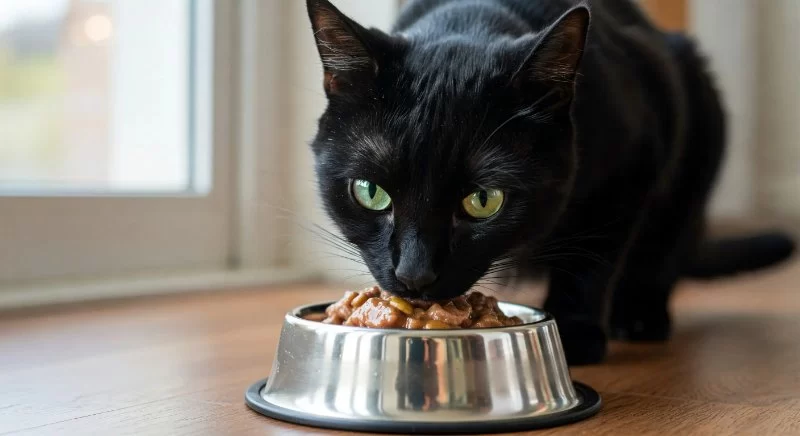
A cat with a sensitive stomach may refuse to eat or may show a decreased appetite. This can be a result of discomfort after eating certain foods. If your cat’s eating habits change suddenly, it’s worth investigating their food and discussing the issue with a veterinarian.
2.3 Excessive Grooming and Licking
Sometimes, cats with allergies or stomach issues may groom excessively in an attempt to soothe themselves. If you notice your cat licking their paws or their belly more than usual, it could be a sign that something is upsetting their digestive system.
3. What to Consider When Choosing Cat Food
Choosing the right food for a cat with a sensitive stomach and allergies is a balancing act. You want to select a food that addresses their digestive issues without causing further discomfort or exacerbating allergies. Here are a few things to consider when selecting food:
3.1 Ingredient Quality
The first thing to consider is the quality of ingredients. High-quality, natural ingredients are less likely to cause gastrointestinal issues or allergic reactions. Look for food that contains real meat as the primary ingredient and avoid fillers such as corn, soy, or artificial additives.
3.2 Limited Ingredient Diets
A limited ingredient diet (LID) is a great choice for cats with food sensitivities. These diets typically contain fewer ingredients, making it easier to pinpoint what is causing any adverse reactions. LID foods often feature a single animal protein source and easily digestible carbohydrates like sweet potatoes.
3.3 Prescription Diets
For more severe cases of food allergies or sensitive stomachs, a prescription diet from your vet may be necessary. These specially formulated foods are designed to support digestive health and minimize allergic reactions.
4. Best Foods for Cats With Sensitive Stomachs
When looking for the best food for a cat with a sensitive stomach, it's important to choose formulas that are easy on the digestive system and contain high-quality ingredients. Here are some options to consider:
4.1 Hill’s Science Diet Sensitive Stomach & Skin
This formula is designed to support sensitive digestion and skin, featuring easily digestible ingredients like chicken and rice. It also includes prebiotic fiber to promote healthy digestion and nourish the gut microbiome.
4.2 Royal Canin Veterinary Diet Gastrointestinal Fiber Response
Recommended by veterinarians, this food is formulated for cats with digestive problems. It provides a balance of fiber and nutrients to aid digestion, promote healthy gut function, and reduce gastrointestinal discomfort.
4.3 Blue Buffalo Basics Limited Ingredient Diet
Blue Buffalo Basics offers a limited ingredient diet with high-quality turkey as the single animal protein and potatoes as a digestible carb. It’s perfect for cats with allergies or sensitivities, offering an easy-to-digest formula without artificial additives.
5. How to Transition Your Cat to New Food
When switching your cat to a new diet, it’s important to do so gradually to avoid upsetting their stomach. Here’s how to transition your cat to their new food:
5.1 Gradual Transition
Start by mixing a small amount of the new food with your cat’s current food. Gradually increase the proportion of the new food over the course of 7-10 days until your cat is eating only the new food. This slow transition will help your cat adjust and prevent digestive upset.
5.2 Monitor for Reactions
Keep an eye on your cat’s behavior and health during the transition. If you notice any adverse reactions, such as vomiting, diarrhea, or a loss of appetite, stop the transition and consult with your vet.
6. Additional Tips for Caring for Cats with Allergies
In addition to finding the right food, there are several other ways to help manage your cat’s allergies:
6.1 Regular Vet Checkups
Regular visits to the vet are important for cats with allergies or sensitive stomachs. Your vet can monitor your cat’s health and adjust their treatment plan as needed to ensure they stay comfortable and healthy.
6.2 Keep the Environment Clean
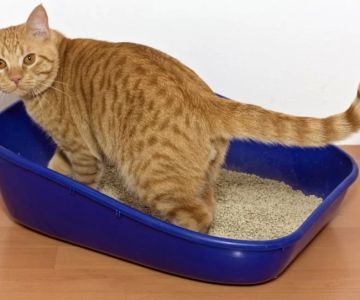
Minimize allergens in your home by keeping your cat’s living space clean. Regularly wash their bedding, clean their litter box, and vacuum to reduce the buildup of dust, dander, and other irritants.
Taking the time to understand your cat’s needs and providing them with the right food and care can help them lead a happier, healthier life. For more information on the best products and services for cats with sensitive stomachs and allergies, be sure to visit Family Dentistry Online to find what works best for your pet!