How to Tell If Your Cat Has Allergies: Symptoms and Solutions
- 1. Understanding Cat Allergies: What You Need to Know
- 2. Common Symptoms of Allergies in Cats
- 3. What Causes Allergies in Cats?
- 4. How to Diagnose If Your Cat Has Allergies
- 5. Treatment Options for Cats with Allergies
- 6. Real-Life Case Study: How We Helped an Anxious Cat with Allergies
- 7. Trust Hidden Brook Veterinary for the Best Care for Your Cat
1. Understanding Cat Allergies: What You Need to Know
Just like humans, cats can develop allergies to a variety of substances. These allergies can be triggered by food, pollen, dust mites, mold, or even flea bites. As a cat owner, it’s important to understand that allergies are a common issue in cats, especially as they age or are exposed to new environments. Allergies in cats can cause discomfort and lead to other health issues, which is why recognizing the signs early is crucial for your cat's well-being.
I’ve personally seen how allergies can affect a cat's quality of life. My own cat, Oliver, started showing signs of discomfort a few months ago, and I initially thought it was just a seasonal change. However, after researching and consulting with my vet, I learned that allergies were likely the cause of his symptoms. This experience made me more aware of how important it is to monitor your cat for any unusual behavior that might indicate allergies.
2. Common Symptoms of Allergies in Cats
Allergic reactions in cats can vary greatly, but there are several common symptoms that may indicate your cat is suffering from allergies. It’s essential to observe any changes in your cat’s behavior or health, as these can point to an allergy-related issue.

2.1 Itchy Skin and Excessive Grooming
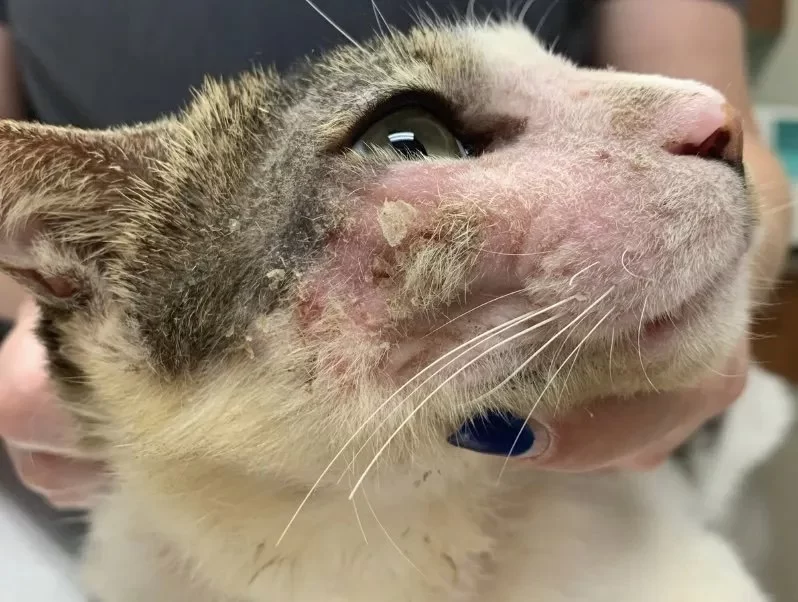
One of the first signs that your cat might have allergies is excessive itching or grooming. Cats with allergies often scratch, bite, or lick their skin more than usual. This can lead to hair loss, hot spots, or even scabs on the skin. Oliver, for example, began licking his paws constantly, which was a clear indication that something was bothering him.

2.2 Runny Nose and Sneezing
Just like humans, cats with allergies can suffer from respiratory issues. If your cat is sneezing frequently or has a runny nose, it could be a sign of an allergic reaction. In some cases, the nasal discharge might be clear, but it can become yellow or green if there’s a secondary infection.
2.3 Watery Eyes
Watery eyes are another common symptom of allergies in cats. If your cat’s eyes are constantly tearing up or appear red, it could be due to environmental allergens such as pollen or dust mites. This was another sign I noticed with Oliver, and it led me to believe his allergies were environmental.
2.4 Gastrointestinal Issues
Food allergies can also cause gastrointestinal upset in cats. If your cat is vomiting or has diarrhea regularly, it could be related to a food allergy. I had to switch Oliver’s food after learning that certain ingredients in his old diet were likely triggering his digestive issues.
3. What Causes Allergies in Cats?
Allergies in cats can be caused by a variety of environmental, food, and flea-related factors. Understanding the source of your cat’s allergies is crucial in determining the best course of treatment. Below, I’ll go over the most common causes of allergies in cats.
3.1 Environmental Allergies
Environmental allergies are caused by exposure to substances like pollen, dust mites, mold, and cigarette smoke. If your cat is spending more time indoors or outdoors in areas with higher pollen counts, this could lead to allergy symptoms. I noticed that Oliver’s symptoms worsened during the spring and fall, which is when pollen counts tend to rise.
3.2 Food Allergies
Food allergies occur when your cat’s immune system reacts negatively to certain proteins or ingredients in their diet. Common allergens for cats include beef, dairy, fish, and grains. It can be difficult to pinpoint food allergies because the symptoms are often gastrointestinal, but an elimination diet can help identify the culprit. After speaking with my vet, we discovered that Oliver was allergic to chicken, which led to his digestive issues and skin problems.
3.3 Flea Allergies
Flea allergies are another common cause of itching and skin irritation in cats. Flea saliva can cause an allergic reaction in some cats, leading to intense itching and inflammation. Even if you don’t see fleas on your cat, they may still be the cause of the allergy. Using a flea prevention program can help keep these allergies at bay.
4. How to Diagnose If Your Cat Has Allergies
If you suspect your cat has allergies, the first step is to consult with a veterinarian. A vet will likely conduct a thorough examination and may perform tests to identify the cause of the symptoms. Here are some methods used to diagnose allergies in cats:
4.1 Physical Examination
A vet will begin with a physical exam to check for signs of allergies, such as skin irritation, rashes, or watery eyes. They will also inquire about your cat’s lifestyle and behavior, such as whether they are exposed to outdoor allergens or if you’ve recently changed their food.
4.2 Allergy Testing
In some cases, a vet may recommend allergy testing, either through blood tests or intradermal testing (skin testing). These tests can help identify environmental allergens such as pollen or dust mites, as well as food allergens.
4.3 Elimination Diet
For suspected food allergies, a vet may suggest an elimination diet. This involves feeding your cat a special diet with limited ingredients for several weeks to see if their symptoms improve. If the symptoms resolve, the vet will gradually reintroduce different foods to determine which ingredient is causing the allergy.
5. Treatment Options for Cats with Allergies
Once your cat’s allergies have been diagnosed, the next step is to explore treatment options. There are several approaches to managing allergies in cats, depending on the cause of the allergy:
5.1 Medications
In some cases, medications such as antihistamines, corticosteroids, or immunotherapy may be prescribed to help manage allergy symptoms. These can help reduce itching, inflammation, and other discomforts. I’ve used antihistamines for Oliver during peak allergy seasons to help him feel more comfortable.
5.2 Environmental Changes
If your cat has environmental allergies, minimizing their exposure to allergens can make a significant difference. This might include keeping windows closed during high pollen seasons, using air purifiers, or regularly cleaning the home to remove dust and dander.
5.3 Diet Changes
For food allergies, switching to a hypoallergenic diet may help alleviate symptoms. Many cat food brands offer specialized formulas designed for cats with food sensitivities. Working with a vet to find the best food for your cat can help prevent allergic reactions.
5.4 Flea Control
For flea allergies, using a reliable flea control treatment is essential. Regular flea prevention can keep your cat comfortable and reduce the risk of flea-related allergic reactions.
6. Real-Life Case Study: How We Helped an Anxious Cat with Allergies
I’d like to share a real-life example of how we helped a cat with severe allergies. A client brought in their cat, Bella, who had been excessively scratching and licking her paws. After a thorough examination and allergy testing, we discovered that Bella had both food allergies and environmental allergies. With a combination of a specialized diet, antihistamines, and minimizing exposure to pollen, Bella’s condition improved dramatically within a few weeks.
This experience reinforced how important it is to recognize the signs of allergies early on and work closely with a veterinarian to find a solution. Bella’s story is just one example of how proper treatment can bring comfort and relief to allergic cats.