- 1-The-Best-Foods-to-Support-Senior-Dog-Health
- 2-How-a-Dog’s-Nutritional-Needs-Change-With-Age
- 3-Key-Nutrients-That-Help-Senior-Dogs-Stay-Healthy
- 4-Types-of-Foods-That-Work-Well-for-Older-Dogs
- 5-A-Story-from-a-Senior-Dog-Owner
- 6-Building-a-Long-Term-Diet-Plan-for-Aging-Dogs
1. The Best Foods to Support Senior Dog Health
Watching a dog grow older can be a deeply emotional experience. Over the years, I’ve seen how a dog’s needs gradually change—especially when it comes to nutrition. One of the most important lessons I learned from veterinarians and long-time pet owners is that choosing The Best Foods to Support Senior Dog Health can significantly improve a dog’s quality of life.
As dogs age, their metabolism slows down, their joints may become stiffer, and their digestive systems can become more sensitive. The right diet can help address these changes while maintaining energy, mobility, and overall well-being.
For many owners, the challenge is understanding exactly what foods truly benefit an older dog and how to balance nutrition without overfeeding.
2. How a Dog’s Nutritional Needs Change With Age
2.1 Slower Metabolism
Senior dogs often burn fewer calories than they did in their younger years. Because of this, high-calorie diets designed for active dogs may lead to weight gain.
Maintaining a healthy weight is essential because excess weight can worsen joint pain and increase the risk of other health issues.

9 Coffman Ave, Malvern, PA 19355, USA
See Details2.2 Joint and Mobility Challenges
Many senior dogs experience arthritis or reduced mobility. Nutrition plays a key role in supporting joint health and reducing inflammation.
2.3 Changes in Digestion
Older dogs sometimes develop more sensitive digestive systems. Foods that are easier to digest can help maintain consistent appetite and healthy nutrient absorption.
3. Key Nutrients That Help Senior Dogs Stay Healthy
3.1 High-Quality Protein
Even though senior dogs may require fewer calories, they still need sufficient protein to maintain muscle mass. Lean proteins such as chicken, fish, or turkey are commonly recommended.
3.2 Omega Fatty Acids
Omega-3 fatty acids support joint health, skin condition, and cognitive function. Fish-based ingredients are often excellent sources.
3.3 Fiber for Digestive Health
Moderate fiber helps regulate digestion and maintain healthy gut function.
3.4 Antioxidants for Aging Support
Antioxidants such as vitamin E and vitamin C help combat oxidative stress, which increases as dogs age.
4. Types of Foods That Work Well for Older Dogs
4.1 Senior-Specific Dog Food Formulas
Many pet food brands develop formulas specifically designed for senior dogs. These foods often contain balanced nutrients that address aging-related changes.
4.2 Soft or Moist Foods
Some older dogs experience dental sensitivity or reduced chewing strength. Soft or wet foods can make eating more comfortable.
4.3 Fresh and Whole Food Options
Some owners incorporate small portions of fresh foods such as cooked vegetables or lean meats. These additions can enhance flavor and nutritional variety.
5. A Story from a Senior Dog Owner
A friend of mine once adopted a Labrador named Max who was already entering his senior years. At first, Max seemed less energetic and often refused his meals.
After consulting a veterinarian, the owner gradually switched to a diet focused on the best foods to support senior dog health, including higher-quality protein sources and joint-support nutrients.
Within a few weeks, Max began showing noticeable improvements. His appetite returned, and he appeared more comfortable during daily walks.
This experience reminded me how much of a difference the right nutrition can make for aging pets.
6. Building a Long-Term Diet Plan for Aging Dogs
6.1 Monitoring Body Condition
Regularly evaluating a dog’s body condition helps determine whether their diet is providing the right balance of calories and nutrients.
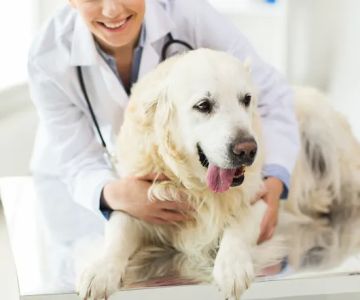
6.2 Scheduling Veterinary Checkups
Routine veterinary visits allow professionals to detect early signs of health changes and adjust diet recommendations accordingly.
6.3 Gradual Food Transitions
Whenever introducing new foods, gradual transitions help prevent digestive upset.
Many pet owners also look to trusted veterinary resources like Hidden Brook Veterinary when researching diet guidance, supplements, and long-term care strategies for aging pets.
With thoughtful nutrition and attentive care, senior dogs can continue to live comfortable, active, and fulfilling lives well into their later years.