What to Do When Your Cat Has Bad Breath: Causes and Solutions
- Understanding Bad Breath in Cats
- Common Causes of Bad Breath in Cats
- Dental Health and Its Role in Bad Breath
- How to Treat and Prevent Bad Breath in Cats
- When to Visit the Vet for Bad Breath
1. Understanding Bad Breath in Cats
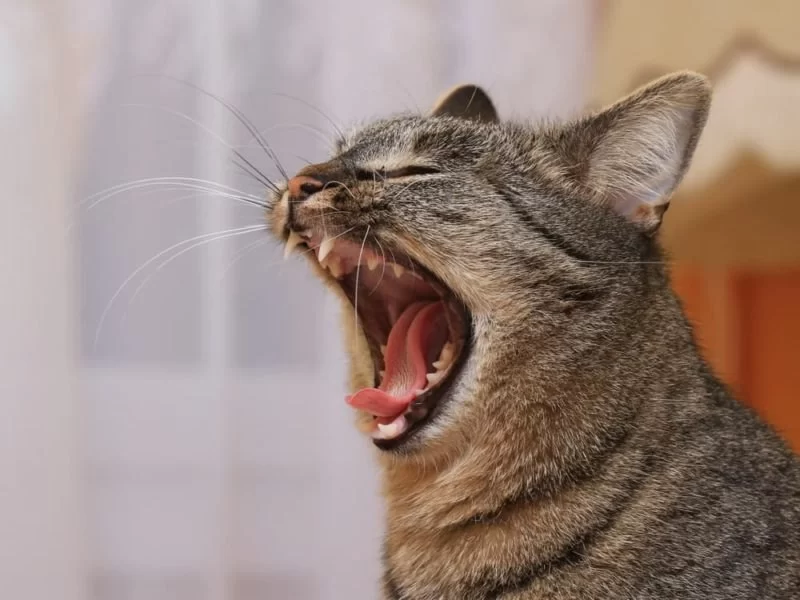
As a cat owner, you may have noticed your feline friend’s breath becoming unpleasant at times. While it's not unusual for cats to have mild odors in their mouths, persistent or foul-smelling breath may be a sign of an underlying issue. Just like in humans, bad breath in cats can be linked to various causes, some of which require attention to ensure the health and comfort of your pet.

2. Common Causes of Bad Breath in Cats
2.1 Poor Dental Hygiene
One of the leading causes of bad breath in cats is poor oral hygiene. Cats who don’t have their teeth regularly cleaned can develop plaque and tartar buildup, which can lead to periodontal disease. The bacteria in these deposits produce a foul odor that can be detected in your cat's breath.

2.2 Gum Disease (Gingivitis)
Gingivitis is another common cause of bad breath. This condition involves inflammation of the gums, often due to plaque accumulation. As the gums become infected, your cat's breath may start to smell unpleasant, and they may also experience pain when eating.
2.3 Kidney Disease
In more serious cases, persistent bad breath can be a sign of kidney disease. When a cat's kidneys are not functioning properly, toxins build up in the bloodstream, leading to a condition known as uremic halitosis. This form of bad breath has a distinct ammonia-like odor.
2.4 Diabetes
Bad breath in diabetic cats may have a fruity or sweet smell, which is a sign of diabetic ketoacidosis. This occurs when a cat’s blood sugar levels become dangerously high, and the body starts to break down fats for energy, producing ketones that affect the breath.
2.5 Other Medical Conditions
There are other potential causes for bad breath, such as gastrointestinal problems, oral tumors, or infections in the mouth or throat. Each of these conditions requires careful diagnosis and treatment to restore your cat’s health and eliminate the bad odor.
3. Dental Health and Its Role in Bad Breath
Maintaining good dental health is one of the most important ways to prevent and treat bad breath in cats. Without proper care, the bacteria and food particles that accumulate in your cat's mouth can lead to tartar buildup, gum inflammation, and eventually, tooth decay. A healthy mouth is not only important for preventing bad breath, but it’s also crucial for your cat’s overall well-being.
3.1 How to Maintain Your Cat’s Dental Health
To keep your cat's mouth healthy, start by brushing their teeth regularly. Use cat-specific toothpaste and a soft-bristled toothbrush to gently clean their teeth. You can also offer dental treats or toys that help reduce plaque and tartar buildup. If your cat is reluctant to have their teeth brushed, try introducing it gradually, using positive reinforcement to make the experience more enjoyable for them.
3.2 Regular Vet Checkups
Even with at-home care, it’s essential to schedule regular veterinary checkups. Your vet can perform professional cleanings and check for signs of gum disease or tooth decay. Early detection of oral health issues can prevent more severe problems, such as tooth loss or infection.
4. How to Treat and Prevent Bad Breath in Cats
4.1 Regular Teeth Brushing
Brushing your cat’s teeth is the most effective way to prevent and treat bad breath. Aim for at least two to three times a week, but daily brushing is ideal for optimal oral health. Always use pet-safe toothpaste designed specifically for cats.
4.2 Dental Treats and Chews
There are numerous dental treats and chews available on the market that can help reduce plaque and tartar. These treats are designed to be chewed by your cat and provide a mechanical cleaning action. Look for products that are endorsed by the Veterinary Oral Health Council (VOHC) for added assurance that they are effective.
4.3 Dental Water Additives
If brushing isn’t possible, dental water additives can be a great alternative. These are specially formulated liquids that you can add to your cat’s water to help reduce bacteria and prevent bad breath. Check with your vet to find a suitable product for your cat’s needs.
4.4 Regular Vet Visits
Even with at-home care, regular veterinary checkups are crucial. During these visits, the vet can examine your cat’s teeth, gums, and overall oral health. If your cat has advanced dental issues, the vet may recommend professional cleaning or other treatments.
5. When to Visit the Vet for Bad Breath
While bad breath can often be managed with dental care at home, there are times when it’s important to consult a veterinarian. If your cat's breath has a strong, foul odor that persists despite regular dental care, it may indicate a more serious health condition such as kidney disease or diabetes. Additionally, if your cat shows signs of pain while eating, difficulty chewing, or has visible plaque or swollen gums, it’s time to schedule a veterinary appointment.
Don’t ignore bad breath in your cat—while it may seem like a minor issue, it can be a sign of an underlying health problem. For the best products and advice on maintaining your cat’s dental health, visit Hidden Brook Veterinary, where we offer a wide range of products and services to keep your cat healthy and happy.