How to Effectively Treat Minor Cuts and Scrapes at Home
- 1. Introduction to Treating Minor Cuts and Scrapes
- 2. Steps to Clean and Disinfect a Minor Cut
- 3. Protecting the Wound for Faster Healing
- 4. When to Seek Professional Help for Cuts and Scrapes
- 5. Common Mistakes to Avoid in Treating Minor Cuts and Scrapes
- 6. Conclusion: Importance of Proper Care
1. Introduction to Treating Minor Cuts and Scrapes
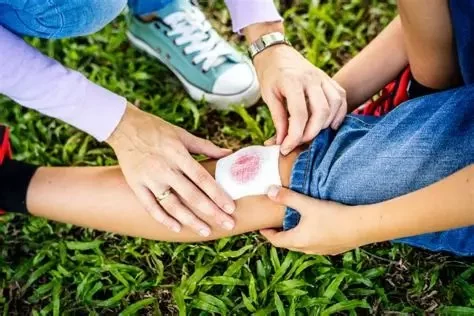
Minor cuts and scrapes are common injuries that happen when the skin is scraped or cut by sharp objects or rough surfaces. Although they may seem insignificant, it’s important to treat these wounds properly to avoid infection and ensure quick healing. In this guide, we will walk you through the essential steps to treat minor cuts and scrapes at home, along with some helpful tips to promote faster recovery.
2. Steps to Clean and Disinfect a Minor Cut
The first and most crucial step in treating minor cuts and scrapes is to clean the wound thoroughly to prevent infection. Here’s how you can do it:
- Wash Your Hands: Always wash your hands before touching the wound to avoid introducing germs.
- Rinse the Cut: Hold the wound under clean running water to remove dirt and debris. You can also use a mild soap, but avoid using harsh chemicals like hydrogen peroxide or alcohol, as they can damage healthy tissue.
- Use Antiseptic: Once the cut is clean, apply a small amount of antiseptic ointment to the wound. This helps to kill any remaining bacteria and prevent infection.
3. Protecting the Wound for Faster Healing
After cleaning and disinfecting the wound, it’s essential to keep it protected to promote healing and reduce the risk of further injury. Here’s how you can protect the wound:
- Apply a Sterile Bandage: Cover the wound with a sterile bandage or dressing to protect it from dirt and bacteria. Change the bandage daily or whenever it becomes wet or dirty.
- Keep the Wound Dry: Avoid getting the wound wet during baths or showers to prevent bacteria from entering the wound.
- Apply Antibiotic Ointment: In addition to the bandage, you can apply a thin layer of antibiotic ointment (like Neosporin) to the wound to promote healing and reduce the risk of infection.
4. When to Seek Professional Help for Cuts and Scrapes
While most minor cuts and scrapes can be treated at home, there are times when professional medical attention is needed. Here are some signs that indicate you should seek medical help:
- If the cut is deep, large, or won't stop bleeding after applying pressure for 10 minutes.
- If the wound is caused by a dirty or rusty object, increasing the risk of tetanus.
- If there are signs of infection, such as redness, warmth, swelling, or pus.
- If the wound is located on the face, over joints, or near sensitive areas like the eyes or genitals.
5. Common Mistakes to Avoid in Treating Minor Cuts and Scrapes
When treating cuts and scrapes at home, there are a few common mistakes to avoid that could delay healing or increase the risk of infection:
- Using Harsh Chemicals: Avoid using hydrogen peroxide, alcohol, or iodine directly on the wound, as these can irritate the tissue and slow down healing.
- Leaving the Wound Uncovered: Leaving the wound exposed to the air can cause it to dry out and form a scab, which may lead to a longer healing time. Always keep it covered with a clean bandage.
- Not Changing the Bandage Regularly: Changing the bandage regularly is important to prevent bacterial buildup. Don’t wait too long to replace a dirty or wet bandage.
6. Conclusion: Importance of Proper Care
Proper care of minor cuts and scrapes is essential to ensure they heal quickly and without complications. By following the simple steps of cleaning, disinfecting, and protecting the wound, you can promote faster recovery and prevent infection. If you notice any signs of infection or if the injury is more severe than a minor scrape, be sure to seek professional medical attention. Remember, taking a few extra moments to care for your wound properly can make a big difference in the healing process.