1. Hidden Brook Veterinary
  2. Pet Care Blog

Understanding Hip Dysplasia in Dogs: Causes, Symptoms, and Treatment Options
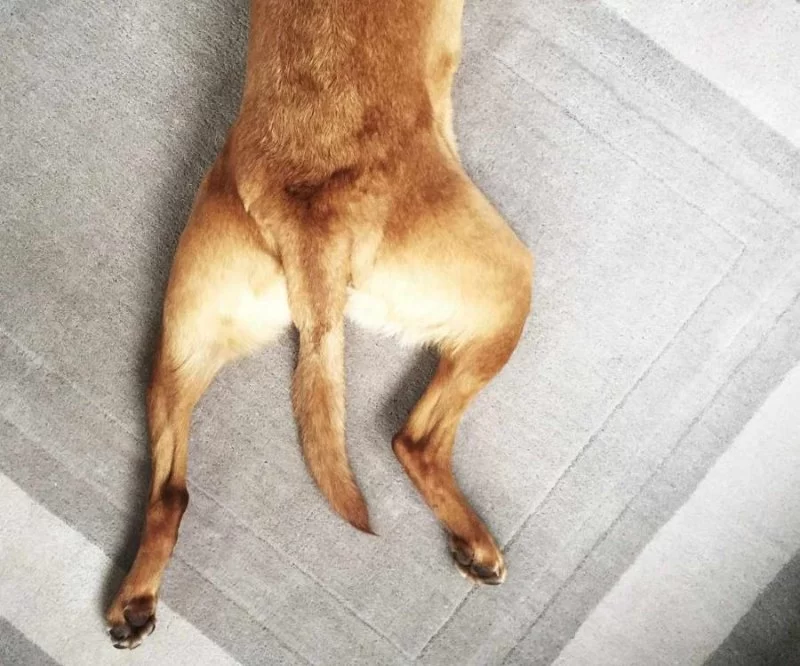
Understanding Hip Dysplasia in Dogs: Causes, Symptoms, and Treatment Options

What Every Dog Owner Should Know About Hip Dysplasia

As a dog owner, one of the most crucial things to learn is how to take care of our pets' long-term health. After all, we want them to be happy, active, and comfortable for many years. One of the most common conditions that can impact dogs, especially as they age, is hip dysplasia. I first learned about it when my dog started showing signs of discomfort and difficulty moving around. Understanding hip dysplasia in dogs has been a game-changer, and I want to share what I’ve learned so far.

1. What Is Hip Dysplasia in Dogs?

Hip dysplasia is a genetic condition where the hip joint does not form properly, leading to improper alignment and potential wear and tear of the cartilage and bone. It’s most common in larger dog breeds, such as German Shepherds, Golden Retrievers, and Labrador Retrievers, but it can occur in smaller breeds as well. In simple terms, the hip socket and the ball of the femur don’t fit together perfectly, which causes joint instability. Over time, this can lead to arthritis and significant pain for your dog. I was surprised to find that hip dysplasia doesn’t always show immediate symptoms. Some dogs can live with it for years without any signs. However, when the condition worsens, it can cause a lot of pain and limit the dog’s mobility.

2. The Causes and Risk Factors of Hip Dysplasia

Understanding the causes behind hip dysplasia is important for every dog owner. Here’s what I learned about its origins and risk factors: Genetic Factors: Hip dysplasia is primarily an inherited condition. If a dog’s parents have hip dysplasia, there is a higher chance their puppies may develop it as well. I realized that understanding a dog's genetic background can help prevent the disease in some cases. Rapid Growth in Puppies: For large-breed puppies, rapid growth can increase the likelihood of developing hip dysplasia. I’ve learned that excessive weight gain or high-calorie diets during the first year of life can put extra stress on developing joints, contributing to the issue. Obesity: Obesity was another contributing factor I didn’t initially think about. Overweight dogs are more prone to joint problems, including hip dysplasia, because the additional weight strains their joints. Environmental and Lifestyle Factors: The way a dog exercises and moves around also plays a role. Excessive jumping, hard landings, or high-impact activities can aggravate the condition.

3. Recognizing the Signs of Hip Dysplasia

The next step in understanding this condition is recognizing the signs early. If you catch it in the early stages, you can help your dog manage the condition better. Here are the symptoms I watched out for: Difficulty Standing or Walking: At first, I noticed that my dog had trouble getting up after lying down, especially after a nap. This could be an indication of discomfort in the hips. Limping or Lameness: Limping, particularly after exercise, is a common sign. If your dog’s gait seems irregular or stiff, it could be due to hip dysplasia. I’ve seen this in my own dog after long walks. Reduced Activity or Playfulness: If your dog has suddenly lost interest in playing or going on walks, it might be due to hip pain. I realized this when my dog was no longer eager to go outside, something that had always been part of his routine. Excessive Licking or Chewing: Dogs in pain may lick or chew on their joints as a way to soothe the discomfort. This behavior can sometimes be misinterpreted as boredom, but it can also be a sign of joint issues. Swollen Joints: Swelling around the hip area can also occur, especially in later stages of the condition.

4. Diagnosis: How a Veterinarian Determines Hip Dysplasia

When I first noticed the symptoms, I took my dog to the vet for a proper diagnosis. The vet performed a physical examination to check for signs of pain, stiffness, or joint instability. X-rays: The vet then recommended an X-ray to confirm whether there was any joint deformity or arthritis present. X-rays are the most accurate way to assess hip dysplasia, and they helped the vet determine the severity of the condition. Palpation: The vet also gently manipulated my dog’s legs and hips to check for any unusual movement or pain, a process known as palpation. This helped identify any dislocations or instability in the joint.

5. Treatment Options for Dogs with Hip Dysplasia

Once diagnosed, the next step was finding the best way to treat my dog’s hip dysplasia. There are various approaches depending on the severity of the condition: Medications: For mild cases, medications such as nonsteroidal anti-inflammatory drugs (NSAIDs) can help manage pain and inflammation. My vet prescribed a mild pain reliever to help ease my dog’s discomfort. Physical Therapy: I also started my dog on a physical therapy routine, which included gentle exercises to strengthen the muscles around the hips. This can improve joint stability and reduce pain. Hydrotherapy, which involves swimming, is particularly beneficial as it’s low-impact. Surgical Intervention: In severe cases, surgery may be required. This can include hip replacement or a procedure to realign the joint. While I’ve been fortunate enough not to need surgery for my dog, it’s something to consider if the condition worsens. Weight Management: One of the easiest and most effective ways to manage hip dysplasia is through weight control. I switched to a balanced, low-calorie diet and made sure my dog maintained a healthy weight to reduce stress on his joints.

6. Preventive Measures for Hip Dysplasia

While some aspects of hip dysplasia are genetic, there are several steps I’ve taken to reduce the risk for my dog and improve his quality of life: Early Intervention: Having my dog evaluated early for signs of hip dysplasia helped me catch the issue before it became more severe. Regular check-ups with the vet are essential for early detection. Regular Exercise: Regular, low-impact exercise such as walking or swimming helps keep joints flexible and muscles strong. However, I made sure to avoid high-impact activities like jumping. Joint Supplements: I started giving my dog joint supplements containing glucosamine and chondroitin, which support joint health and cartilage repair. These can be especially helpful for dogs with hip dysplasia.

7. Conclusion

Dealing with hip dysplasia in dogs can be challenging, but with the right approach, it’s possible to manage the condition and improve your dog’s quality of life. By keeping an eye out for the symptoms, getting an early diagnosis, and following a treatment plan tailored to your pet’s needs, you can ensure your dog remains comfortable and active for many years. If you're unsure about whether your dog may have hip dysplasia or need professional advice on managing it, I highly recommend visiting 【Hidden Brook Veterinary】 for expert guidance.