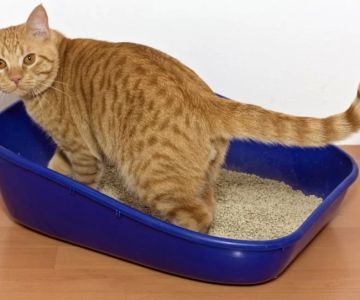
Tips for Feeding Pets with Chronic Digestive Issues
As a pet owner, it can be worrying when your beloved companion experiences chronic digestive issues. Just like humans, pets can suffer from digestive problems that affect their ability to absorb nutrients, feel comfortable, and live a happy, active life. Whether your pet has a sensitive stomach, food allergies, or a more serious condition like inflammatory bowel disease (IBD), it's essential to provide the right diet and care to manage their symptoms. In this article, I’ll share some practical tips for feeding pets with chronic digestive issues, helping you ensure they stay healthy and comfortable.
1. Understanding Chronic Digestive Issues in Pets
Before diving into the best feeding strategies, it’s important to understand what chronic digestive issues in pets are. These issues can range from mild discomfort to serious conditions that impact their overall health. Symptoms often include vomiting, diarrhea, weight loss, bloating, or changes in appetite. Some common chronic digestive issues include:
- Inflammatory Bowel Disease (IBD): A condition where the digestive tract becomes inflamed, leading to chronic vomiting, diarrhea, and weight loss.
- Food Allergies or Intolerances: Pets may develop sensitivities to certain ingredients, leading to digestive upset.
- Gastritis: Inflammation of the stomach lining, often caused by stress, infections, or poor diet.
- Pancreatitis: Inflammation of the pancreas, which can lead to vomiting and diarrhea.
If your pet is showing signs of chronic digestive distress, it’s always a good idea to consult with a veterinarian. A proper diagnosis will help determine the best course of action for managing their condition.
2. Choosing the Right Food for Pets with Digestive Issues
One of the most important factors in managing chronic digestive issues is the type of food you provide. Pets with sensitive stomachs often require a specialized diet that is easier to digest. Here are some considerations when choosing the right food for your pet:
2.1 Look for Easily Digestible Ingredients
When choosing food for pets with digestive issues, the key is to opt for easily digestible ingredients. Look for foods that contain high-quality protein sources, such as chicken or turkey, and easily digestible carbohydrates like rice or sweet potatoes. These ingredients help reduce the strain on your pet's digestive system.
In my experience, switching to a food made specifically for pets with sensitive stomachs can make a noticeable difference. These foods often contain probiotics, prebiotics, and fiber to support gut health, as well as Omega-3 fatty acids to reduce inflammation.
2.2 Avoid Common Triggers
Pets with food allergies or sensitivities should avoid common triggers, such as dairy, grains, soy, or artificial additives. If you’re unsure about which ingredients to avoid, your vet can help identify potential allergens through elimination diets or food sensitivity testing. For example, some pets may struggle to digest wheat or corn, so it’s best to choose foods that are free from these ingredients.
2.3 Consider a Prescription Diet
If your pet's digestive issues are more severe, your veterinarian may recommend a prescription diet. These specially formulated foods are designed to provide balanced nutrition while being easy on the digestive system. Prescription diets are often used to manage conditions like IBD, pancreatitis, and food allergies. Your vet will guide you in selecting the right food based on your pet's condition.
3. Feeding Strategies for Pets with Digestive Issues
In addition to choosing the right food, the way you feed your pet can also impact their digestive health. Here are some strategies that can help alleviate digestive discomfort:
3.1 Small, Frequent Meals
Feeding your pet smaller, more frequent meals throughout the day can help reduce the load on their digestive system. Instead of giving them one or two large meals, try dividing their daily portion into three or four smaller meals. This approach helps prevent bloating and allows their body to process food more effectively.
For example, I found that my dog, who suffers from chronic gastritis, does better when she’s fed small portions every 4-6 hours. This minimizes the chances of overloading her stomach and allows for better digestion.
3.2 Gradually Transition to New Foods
When introducing a new food or changing your pet’s diet, it’s essential to do so gradually. A sudden switch in food can lead to digestive upset, especially in pets with chronic digestive issues. Start by mixing small amounts of the new food with their current food, and slowly increase the ratio over a 7-10 day period. This gradual transition helps their digestive system adjust without causing stress or discomfort.
3.3 Keep Water Accessible
Hydration is key to digestive health, so ensure that your pet always has access to fresh water. Some pets with chronic digestive issues may be prone to dehydration due to diarrhea or vomiting. Keeping water readily available encourages hydration and supports overall digestive function.
4. Supplementing Your Pet’s Diet
In some cases, dietary supplements can help improve your pet’s digestive health. Here are some supplements to consider:
4.1 Probiotics
Probiotics are beneficial bacteria that help maintain a healthy balance in your pet’s gut. They can be especially useful for pets with chronic digestive issues like IBD or food sensitivities. Probiotic supplements can improve digestion, reduce inflammation, and support the immune system.
4.2 Digestive Enzymes
Digestive enzyme supplements help break down food and improve nutrient absorption. They can be beneficial for pets with conditions like pancreatitis or those who have difficulty digesting certain foods. Always check with your vet before introducing supplements to ensure they’re safe and appropriate for your pet’s condition.
4.3 Omega-3 Fatty Acids
Omega-3 fatty acids, found in fish oil, have anti-inflammatory properties that can benefit pets with chronic digestive issues. These healthy fats help soothe the digestive tract and reduce inflammation, which is particularly helpful for pets with conditions like IBD or gastritis.
5. When to Seek Veterinary Help
While many pets with chronic digestive issues can be managed with diet and lifestyle changes, there are times when veterinary intervention is necessary. If your pet’s symptoms persist or worsen, it’s important to seek professional help. Your vet can perform diagnostic tests, such as blood work or ultrasounds, to determine the underlying cause of their digestive issues and recommend appropriate treatment.
If you need help managing your pet’s digestive health, consider visiting Hidden Brook Veterinary, where you can find resources and expert advice tailored to your pet’s needs.