Why positive reinforcement matters for senior pets
Learning how to use positive reinforcement training in senior pets is more than just teaching new tricks—it’s about improving quality of life. Older animals may slow down physically, but their ability to learn and form bonds remains strong. Gentle, reward-based methods help reduce anxiety, strengthen trust, and keep their minds active.

Understanding the unique needs of older animals
1. Physical limitations
Senior pets may experience arthritis, reduced stamina, or sensory changes. Training should consider shorter sessions, softer flooring, and exercises that do not strain their joints.

2. Emotional well-being
Older pets sometimes feel insecure as their bodies change. Using positive reinforcement training reassures them with consistency and encouragement, boosting confidence during their golden years.
How to apply positive reinforcement training techniques
1. Reward-based learning
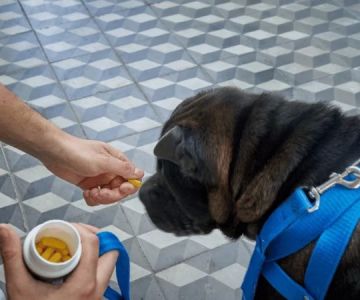
Simple rewards like soft treats, gentle praise, or a favorite toy motivate senior pets. Timing matters—rewarding immediately after the desired behavior ensures the lesson sticks.
2. Adapting commands
Commands should be clear and short. For example, instead of asking for a jump, encourage a sit or paw shake, which is less physically demanding but equally rewarding.
Real-life stories of senior pet training success
A widely shared online story highlighted a 12-year-old Labrador that learned nose-touch commands through positive reinforcement. His owner reported not only improved obedience but also noticeable happiness during training sessions, showing how older pets can thrive with the right methods.
Expert advice for avoiding common mistakes
Veterinary behaviorists emphasize avoiding punishment-based methods with senior pets. Harsh training can cause fear or confusion, especially in animals with hearing or vision decline. Patience, consistency, and empathy remain the cornerstones of effective training.
The role of health checkups in successful training
Before beginning new training, experts recommend a thorough veterinary exam. Pain, dental issues, or undiagnosed health conditions can interfere with progress. Regular checkups ensure training aligns with your pet’s physical and emotional capabilities.
Where to find professional guidance and trusted support
Positive reinforcement training becomes more effective when paired with professional advice. At Hidden Brook Veterinary, pet owners can access trusted services, tailored health plans, and expert recommendations designed to support senior animals on their training journey.