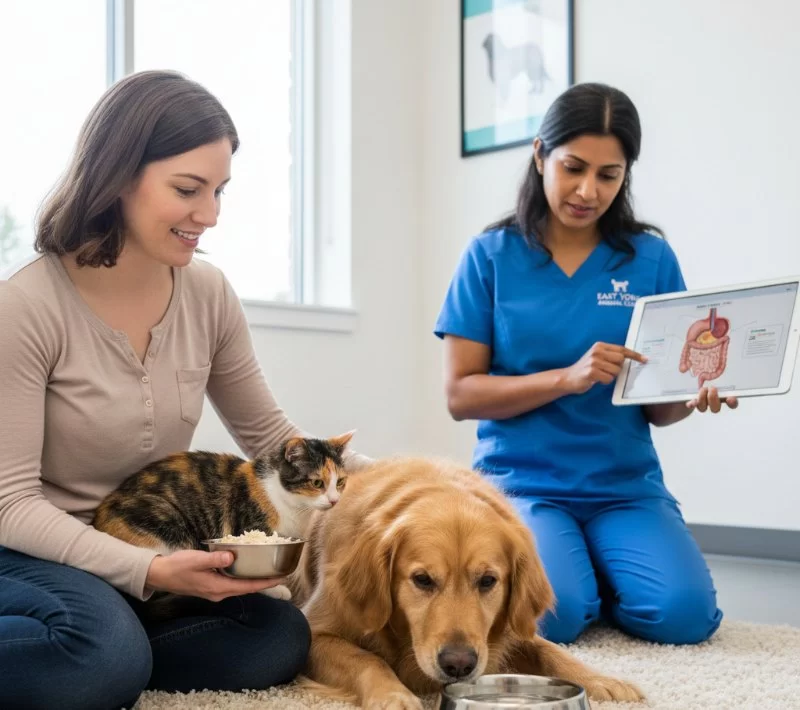
Tips for Feeding Pets With Gastrointestinal Issues: Ensuring Comfort and Health
As pet owners, we know how important it is to ensure our furry friends are happy, healthy, and well-fed. However, when a pet experiences gastrointestinal (GI) issues, such as diarrhea, vomiting, or constipation, feeding them properly becomes even more critical. It’s not just about what they eat, but how, when, and in what amounts. Understanding how to feed pets with gastrointestinal issues can help improve their health, alleviate discomfort, and speed up recovery.
- 1. Understanding Gastrointestinal Issues in Pets
- 2. Signs Your Pet May Have a Gastrointestinal Issue
- 3. What to Feed Pets with Gastrointestinal Problems
- 4. Feeding Practices for Pets with GI Issues
- 5. When to See a Veterinarian
1. Understanding Gastrointestinal Issues in Pets
Gastrointestinal issues in pets can be caused by a variety of factors, including infections, food allergies, stress, or even underlying medical conditions. The GI tract plays a crucial role in digestion and nutrient absorption, so any disruption can lead to symptoms such as loss of appetite, nausea, or irregular stools. Common GI problems in pets include:
- Gastritis
- Inflammatory Bowel Disease (IBD)
- Constipation
- Diarrhea
- Food sensitivities
Each of these conditions requires different feeding approaches, so it’s important to recognize the specific needs of your pet and make informed decisions about their diet.
2. Signs Your Pet May Have a Gastrointestinal Issue
Recognizing the signs of gastrointestinal issues in pets is key to addressing the problem early. Some common symptoms include:
- Frequent vomiting or retching
- Diarrhea or changes in stool consistency
- Lack of appetite or refusal to eat
- Excessive drooling
- Stomach bloating or discomfort
If you notice any of these signs, it's important to monitor your pet closely and adjust their diet to provide relief. Sometimes, temporary GI issues may resolve on their own with dietary adjustments, but persistent symptoms could indicate a more serious problem that requires veterinary intervention.
3. What to Feed Pets with Gastrointestinal Problems
When your pet is suffering from gastrointestinal issues, their diet plays a critical role in their recovery. Here are some general guidelines for feeding pets with GI problems:
- Easy-to-digest foods: Offer foods that are gentle on your pet’s stomach, such as boiled chicken and rice or a specialized gastrointestinal formula.
- Low-fat foods: Fatty foods can be difficult to digest and may exacerbate symptoms. Opt for low-fat options to promote easier digestion.
- Small, frequent meals: Instead of large meals, feed your pet small portions throughout the day. This helps reduce the strain on their digestive system and encourages easier digestion.
- Hydration: Keep your pet well-hydrated, especially if they are experiencing diarrhea or vomiting. Dehydration can worsen GI symptoms, so always provide access to fresh water.
- Prescription diets: If your pet’s GI issue is more severe or chronic, your veterinarian may recommend a prescription diet formulated for digestive health. These diets often include easy-to-digest proteins and added nutrients that support gastrointestinal healing.
Before switching your pet’s food, it’s always a good idea to consult your veterinarian, especially if your pet is on medication or has specific dietary needs.
4. Feeding Practices for Pets with GI Issues
Feeding your pet with gastrointestinal issues requires not just the right food but also the right practices. Here are a few tips to help:
- Introduce new foods gradually: If you’re changing your pet’s diet, introduce new foods gradually to avoid further upsetting their stomach. Start by mixing a small amount of the new food with their current food and increase the ratio over a few days.
- Avoid treats and table scraps: While it might be tempting to give your pet extra food or treats, it’s best to avoid these during GI issues. Many treats are too rich and can worsen symptoms.
- Monitor your pet’s weight: Gastrointestinal problems can lead to weight loss, so keep track of your pet’s weight and eating habits. If you notice a significant decrease in weight, consult your vet.
- Provide a calm eating environment: Stress can worsen gastrointestinal symptoms, so make sure your pet has a quiet, comfortable space to eat. Avoid disruptions while your pet is eating.
5. When to See a Veterinarian
If your pet’s gastrointestinal symptoms persist for more than a few days, or if they show signs of severe distress (such as continuous vomiting, lethargy, or blood in their stool), it’s time to consult a veterinarian. A vet can perform a thorough examination, run tests, and determine the underlying cause of your pet’s symptoms. They may also recommend a more specialized diet or medication to help manage the condition.
At Hidden Brook Veterinary, we specialize in diagnosing and treating pets with gastrointestinal issues. We understand the importance of a tailored diet and treatment plan to promote your pet’s recovery. Contact us today to learn more about how we can help your pet feel better.