- 1 - Understanding Overheating in Pets
- 2 - Symptoms of Overheating in Pets
- 3 - How Heatstroke Can Affect Your Pet
- 4 - How to Prevent Your Pet from Overheating
- 5 - What to Do If Your Pet Is Overheating
1. Understanding Overheating in Pets
As a pet owner, it's important to understand that just like us, pets can suffer from heat stress and overheating. Pets, especially dogs and cats, rely on different methods to regulate their body temperature. Unlike humans, who sweat to cool off, animals primarily rely on panting and their paws to release heat. This makes them more susceptible to overheating, especially during the summer months or in hot climates.
Overheating occurs when a pet’s body temperature rises above normal levels and they are unable to cool down quickly enough. This can be dangerous, leading to heat exhaustion, dehydration, or even heatstroke. As a responsible pet owner, it’s essential to be vigilant, recognizing the early signs and knowing how to keep your pet safe during warmer weather.

2. Symptoms of Overheating in Pets
Recognizing the symptoms of overheating in your pet is key to preventing serious health issues. Some signs may be subtle, while others are more obvious. Here’s what you should look for:

2.1. Excessive Panting
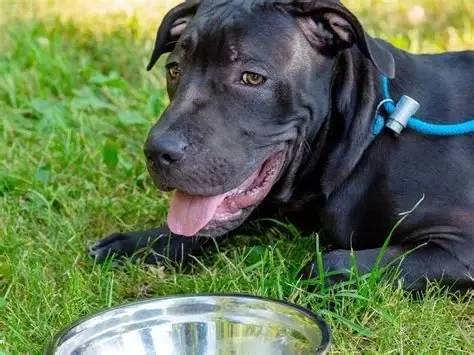
Panting is the first thing most people associate with a dog trying to cool down. However, if your pet's panting becomes rapid, shallow, or continuous, it could be a sign that they are struggling to regulate their body temperature. If your pet is panting excessively and it’s not linked to physical exertion, it might indicate that they’re overheating.
2.2. Drooling and Salivation
While drooling is common in many pets, excessive salivation is a potential indicator of heat stress. If your pet is drooling more than usual and the saliva appears thick or foamy, it’s time to take action to cool them down.
2.3. Dark or Bright Red Gums
Check your pet’s gums regularly. If they appear bright red or darker than normal, it could be a sign that their body temperature is too high. Healthy gums are typically pale pink. If they are discolored, this could indicate that your pet is not getting enough oxygen or is overheating.
2.4. Lethargy or Weakness
Pets that are overheating may become unusually tired, weak, or lethargic. If your pet is struggling to stay alert or move around, it’s crucial to get them to a cooler area and offer water immediately.
2.5. Vomiting or Diarrhea
If your pet is showing signs of vomiting or diarrhea during hot weather, it may indicate that their body is overwhelmed by the heat. Heatstroke can affect the digestive system, causing these symptoms. This is a serious concern and requires immediate veterinary attention.
3. How Heatstroke Can Affect Your Pet
Heatstroke is a severe condition that occurs when your pet’s body temperature rises to dangerous levels. If not addressed immediately, heatstroke can cause organ failure, brain damage, or even death. It is one of the most serious consequences of overheating in pets and can develop rapidly.
Pets with flat faces, like Bulldogs and Pugs, are especially vulnerable to heatstroke. Breeds with thick coats or high energy levels may also struggle to cool down effectively in extreme temperatures. Senior pets, young puppies, and those with underlying health conditions should be closely monitored during the summer months.
4. How to Prevent Your Pet from Overheating
Prevention is always better than treatment, and fortunately, there are several ways to help your pet stay cool during the warmer months. Here are a few tips to prevent overheating:
4.1. Provide Plenty of Fresh Water
Dehydration is one of the most common side effects of overheating, so always make sure your pet has access to fresh, cool water. Keep their water bowl filled and encourage them to drink, especially on hot days.
4.2. Limit Exercise During Peak Heat
Exercise is important for your pet’s health, but it’s essential to adjust their routine during the hotter months. Avoid walks and playtime during the heat of the day—early mornings or late evenings are the best times for outdoor activities.
4.3. Use Pet-Friendly Cooling Products
Consider using cooling mats, vests, or even portable fans to help regulate your pet’s body temperature. Some products are designed to absorb heat, providing immediate relief to your furry friend. Cooling bandanas and sprays are also great options for pets who love being outside.
4.4. Never Leave Your Pet in a Hot Car
Leaving your pet in a car, even for a few minutes, can be deadly during hot weather. The inside of a car can quickly become much hotter than the outside temperature, putting your pet at serious risk of overheating. Always take your pet with you or leave them at home when you run errands.
5. What to Do If Your Pet Is Overheating
If you notice any signs of overheating in your pet, it’s essential to act quickly. Here’s what to do:
5.1. Move Them to a Cool Area
Get your pet to a shaded or air-conditioned space immediately. Avoid letting them stay in the heat for any longer than necessary. A cool, quiet space will help them start cooling down.
5.2. Offer Water
Encourage your pet to drink water. If they’re unwilling to drink, offer small amounts at a time. You can also use a wet cloth to gently wipe their face, neck, and paws to help cool them down.
5.3. Use Cold Compresses
Apply a cold, wet cloth or cool pack to your pet’s body, especially their head, neck, and paws. Avoid using ice directly on their skin, as this can cause shock. The goal is to lower their temperature gradually.
5.4. Contact a Veterinarian
If your pet shows severe signs of heatstroke—such as vomiting, confusion, or collapse—contact a veterinarian immediately. Heatstroke is a medical emergency and requires prompt treatment to prevent lasting damage.
At Hidden Brook Veterinary, we provide a wide range of services to ensure your pet's health and well-being during the hot summer months. Whether it’s checking for signs of overheating or providing emergency care, our team is here to help you keep your pet safe.