- how-to-reduce-stress-for-your-pet-during-fireworks-or-thunderstorms#why-loud-noises-trigger-pet-anxiety
- how-to-reduce-stress-for-your-pet-during-fireworks-or-thunderstorms#common-signs-of-stress-in-pets
- how-to-reduce-stress-for-your-pet-during-fireworks-or-thunderstorms#preparing-your-home-before-the-noise-starts
- how-to-reduce-stress-for-your-pet-during-fireworks-or-thunderstorms#calming-techniques-that-actually-work
- how-to-reduce-stress-for-your-pet-during-fireworks-or-thunderstorms#real-life-pet-owner-experiences
- how-to-reduce-stress-for-your-pet-during-fireworks-or-thunderstorms#when-to-seek-professional-support
Why Fireworks and Thunderstorms Are So Stressful for Pets
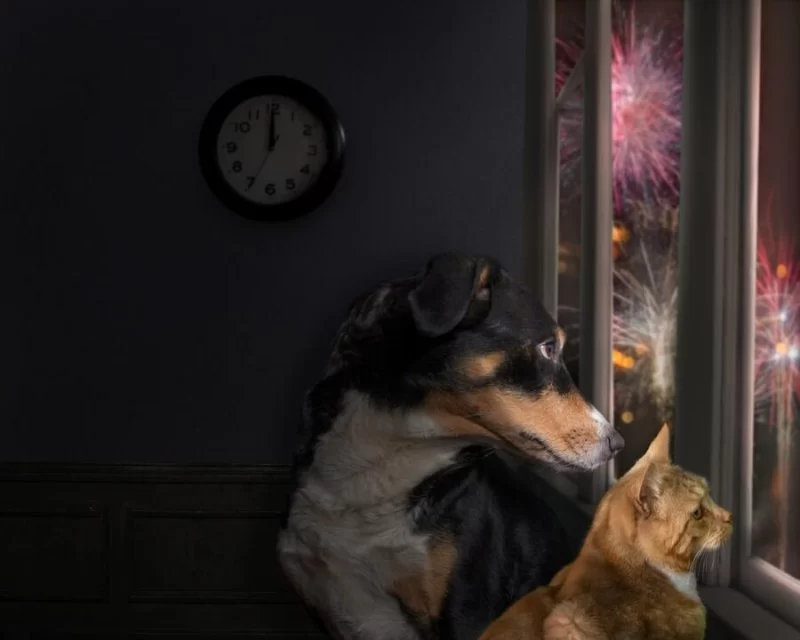
Understanding how to reduce stress for your pet during fireworks or thunderstorms starts with understanding why these events are so overwhelming. Pets experience the world differently than humans. Their hearing is significantly more sensitive, which means sudden loud booms or rolling thunder can feel physically painful or threatening.
Unlike predictable household noises, fireworks and storms are erratic. The lack of a clear source and the unpredictability of the sound patterns often trigger a fight-or-flight response. For many pets, especially dogs and cats, these noises feel like a danger they cannot escape.

How Stress and Anxiety Commonly Show Up in Pets
1. Behavioral Changes
Some pets become restless, pacing back and forth or seeking constant reassurance. Others may hide under furniture, refuse to eat, or vocalize excessively. These behaviors are signs of fear, not disobedience.
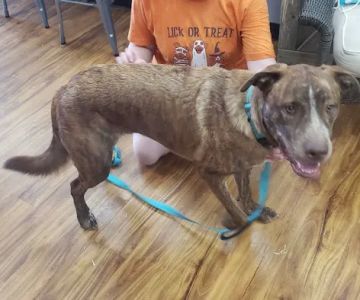
2. Physical Symptoms
Stress can also show up physically. Trembling, heavy panting, drooling, and dilated pupils are common indicators. In severe cases, pets may experience digestive upset or attempt to escape the house or yard.
3. Long-Term Sensitivity
Repeated exposure without support can make reactions worse over time. A pet that once tolerated storms may develop stronger anxiety if previous experiences were overwhelming.
Preparing Your Home Before Fireworks or Storms Begin
1. Create a Safe and Familiar Space
One of the most effective ways to reduce stress for your pet during fireworks or thunderstorms is preparation. Choose a quiet, interior room where outside noise is naturally reduced. Add familiar bedding, favorite toys, and items that carry your scent.
2. Manage Sound and Light Exposure
Closing windows, drawing curtains, and using white noise, fans, or calm music can help mask sudden sounds. Dimming lights can also reduce visual stimulation caused by lightning flashes or fireworks.
3. Stick to Normal Routines
Pets take emotional cues from their owners. Keeping feeding times, walks, and interactions as normal as possible helps signal that nothing dangerous is happening.
Calming Techniques That Can Ease Pet Anxiety
1. Calm Presence and Reassurance
Speaking softly and staying relaxed yourself can have a powerful effect. Avoid overly dramatic comforting, as it may unintentionally reinforce fearful behavior. Gentle reassurance and steady presence work best.
2. Physical Comfort When Welcomed
Some pets benefit from gentle petting or pressure, while others prefer space. Observing what your pet responds to allows you to offer comfort in a way that feels safe rather than overwhelming.
3. Training and Desensitization Over Time
For pets with recurring anxiety, gradual desensitization using low-volume recordings of storms or fireworks can help build tolerance. This process takes time and patience but can significantly reduce stress long-term.
Real-Life Experiences from Pet Owners
Many pet owners share similar stories each holiday season. One dog owner described how their normally confident dog became inconsolable during fireworks until they created a quiet space paired with calming background noise. Over time, the dog began retreating to that space on its own during storms.
Another pet owner shared how recognizing early signs of stress allowed them to intervene sooner, preventing full panic episodes. These stories highlight how small adjustments can lead to meaningful improvements.
Knowing When Professional Help Makes a Difference
If anxiety interferes with your pet’s quality of life or safety, professional guidance is important. Veterinarians can help identify whether medical or behavioral support is appropriate. In some cases, short-term interventions may be recommended to support pets during high-stress events.
Clinics like Hidden Brook Veterinary often help pet owners understand individualized stress-management options, combining behavioral strategies with professional insight to keep pets safe and comfortable.
Learning how to reduce stress for your pet during fireworks or thunderstorms is not about eliminating fear overnight. It is about building trust, safety, and consistency so your pet knows they are protected, even when the world feels loud and unpredictable.