- 1-understanding-pet-joint-inflammation-and-why-it-matters-#understanding-pet-joint-inflammation-and-why-it-matters
- 2-early-signs-of-joint-inflammation-many-owners-miss-#early-signs-of-joint-inflammation-many-owners-miss
- 3-what-actually-causes-joint-inflammation-in-pets-#what-actually-causes-joint-inflammation-in-pets
- 4-practical-ways-to-help-pets-with-joint-inflammation-at-home-#practical-ways-to-help-pets-with-joint-inflammation-at-home
- 5-when-professional-veterinary-care-makes-the-difference-#when-professional-veterinary-care-makes-the-difference
- 6-real-life-experiences-what-improvement-can-look-like-#real-life-experiences-what-improvement-can-look-like
Understanding Joint Inflammation in Pets and Why It Changes Everything
One of the hardest moments as a pet owner is realizing your dog or cat is no longer moving the way they used to. I noticed it first when my senior dog hesitated before jumping onto the couch. It wasn’t dramatic pain, just a pause that hadn’t been there before. That pause is often how joint inflammation begins.
Joint inflammation in pets develops when the tissues around the joints become irritated or worn down, leading to stiffness, swelling, and discomfort. Over time, this inflammation limits mobility and can quietly reduce a pet’s quality of life. Understanding how to help pets with joint inflammation starts with recognizing that it is usually a progressive issue, not a sudden one.
In the United States, joint-related issues are one of the most common reasons older pets visit the veterinarian. Yet many pets live with inflammation for months or years before owners realize what’s happening. The earlier it’s addressed, the more options there are to slow progression and improve comfort.

Early Signs of Joint Inflammation Many Owners Miss
Joint inflammation rarely starts with obvious limping. In my experience, the earliest signs are behavioral, not dramatic injuries.

1. Subtle Changes in Movement
Pets may take longer to stand up, stretch more frequently, or move stiffly after rest. These moments often pass quickly, which is why they’re easy to ignore. Over time, they become more consistent.
2. Avoidance of Certain Activities
I once assumed my dog had simply “grown out” of chasing tennis balls. In reality, repetitive impact had started aggravating his joints. Reduced enthusiasm for stairs, jumping, or long walks is a common indicator of joint inflammation.
3. Personality Shifts Linked to Discomfort
Pain doesn’t always look like crying or whining. Some pets become withdrawn, irritable, or less social. Others sleep more to avoid movement. These changes are often mistaken for normal aging, but discomfort is frequently the underlying cause.
What Actually Causes Joint Inflammation in Pets
Learning how to help pets with joint inflammation requires understanding what drives it. In most cases, it’s not just one factor.
1. Age-Related Joint Wear
As pets age, cartilage naturally thins and loses its ability to cushion joints. This leads to friction, inflammation, and gradual stiffness. Larger breeds tend to experience these changes earlier due to increased joint stress.
2. Weight and Mechanical Stress
Even small amounts of extra weight place significant pressure on joints. Veterinarians often explain that each additional pound increases joint load disproportionately. Weight management is one of the most effective ways to reduce inflammation long-term.
3. Past Injuries or Genetic Predisposition
Pets who experienced injuries earlier in life may develop joint inflammation years later. Certain breeds are also genetically prone to hip or elbow issues, making proactive care especially important.
Practical Ways to Help Pets With Joint Inflammation at Home
Supporting joint health doesn’t always start with medication. In fact, daily habits often make the biggest difference.
1. Adjusting the Home Environment
Simple changes like non-slip rugs, orthopedic beds, and ramps can dramatically reduce joint strain. I was surprised how much easier movement became once slippery floors were no longer a challenge.
2. Controlled, Consistent Exercise
Rest alone does not improve joint inflammation. Gentle, regular movement helps maintain muscle strength and joint flexibility. Short walks, slow play, and low-impact activities are often better than long, intense sessions.
3. Nutrition and Joint-Supportive Diets
Diet plays a key role in managing inflammation. Balanced nutrition supports healthy weight and provides essential nutrients that joints rely on. Many owners explore supplements or specialized diets after consulting a veterinarian.
When navigating these options, guidance from a trusted veterinary provider matters. Clinics like Hidden Brook Veterinary often help pet owners evaluate diet adjustments, supplements, and lifestyle changes tailored to each pet’s needs.
When Professional Veterinary Care Makes the Difference
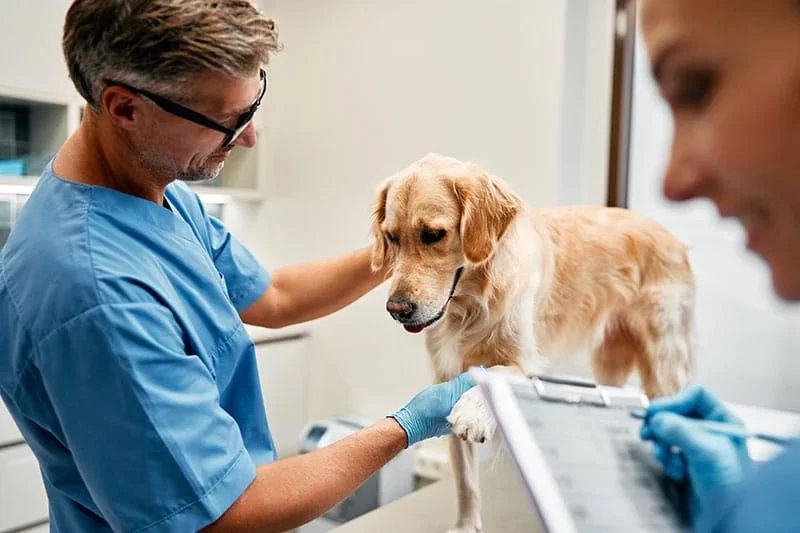
At-home strategies help, but they are most effective when paired with professional evaluation. A veterinarian can confirm whether joint inflammation is present and determine its severity.
1. Accurate Diagnosis Through Exams and Imaging
Joint inflammation can resemble other conditions. Physical exams, mobility assessments, and imaging help rule out fractures, nerve issues, or systemic diseases.
2. Individualized Treatment Plans
No two pets experience joint inflammation the same way. Treatment plans often combine weight management, physical therapy recommendations, and medical support when necessary. Veterinary teams focus on improving comfort while preserving long-term mobility.
3. Ongoing Monitoring and Adjustments
Joint health changes over time. Regular check-ins allow adjustments to care plans as pets age or their activity levels change. This proactive approach helps avoid sudden declines in mobility.
Real-Life Experiences: What Improvement Can Look Like
One story that stayed with me involved a middle-aged Labrador who had slowly stopped greeting his family at the door. After a combination of weight management, environmental changes, and veterinary-guided joint support, he didn’t become a puppy again—but he became comfortable.
That’s an important expectation to set. Helping pets with joint inflammation is not about reversing time. It’s about restoring ease, confidence, and dignity in movement.
Many pet owners are surprised by how much small improvements matter. Standing up without hesitation, choosing to play again, or simply moving without stiffness can dramatically improve daily life for both pets and their families.
If you’re beginning to notice changes in your pet’s movement or comfort, seeking knowledgeable support early can make a lasting difference. Working with experienced veterinary teams such as Hidden Brook Veterinary helps ensure your pet receives care focused on comfort, mobility, and long-term well-being.