How to Monitor Pet Vital Signs at Home (Temp, HR, Resp)
As a pet owner, ensuring the health and well-being of your furry friend is a top priority. One way to stay on top of your pet’s health is by regularly monitoring their vital signs—temperature, heart rate (HR), and respiratory rate (resp). These vital signs can provide you with early warnings of potential health problems, allowing you to take action quickly. In this article, we’ll guide you on how to monitor your pet’s vital signs at home, why it's important, and what normal readings should look like.
- Why Monitoring Vital Signs is Important
- How to Monitor Pet Temperature
- How to Monitor Pet Heart Rate
- How to Monitor Pet Respiratory Rate
- When to Seek Veterinary Help
- Hidden Brook Veterinary Recommendations
Why Monitoring Vital Signs is Important
Monitoring your pet’s vital signs can provide valuable insights into their health. Pets can’t verbally communicate how they’re feeling, so it’s up to you to be observant and proactive. Changes in temperature, heart rate, or respiratory rate can be early indicators of illness, stress, or injury. Regular monitoring helps you detect health issues before they become more serious, enabling you to seek veterinary care when necessary.
By keeping track of these vital signs, you can also ensure your pet is recovering well from surgery or illness. For example, a sudden change in temperature could signal an infection, while an irregular heart rate might indicate stress or a heart condition. These signs are often subtle, but with proper observation, they can help you take quick action to protect your pet’s health.

How to Monitor Pet Temperature
Your pet’s body temperature is a critical vital sign to monitor. Normal body temperature for cats and dogs typically ranges between 101°F and 102.5°F (38.3°C to 39.2°C). Anything above 103°F (39.4°C) may indicate a fever, while temperatures below 99°F (37.2°C) could suggest hypothermia.
To measure your pet’s temperature, you’ll need a digital thermometer, preferably a rectal one. Here's how to do it:
- Lubricate the thermometer with petroleum jelly or water-based lubricant for easy insertion.
- Gently insert the thermometer into your pet’s rectum about 1 inch (2.5 cm) deep. Be calm and gentle to avoid stressing your pet.
- Wait for the thermometer to beep, indicating the temperature is ready.
- Remove the thermometer and read the temperature.
Make sure to clean the thermometer thoroughly after each use. If your pet’s temperature is outside the normal range, contact your vet to determine if further action is needed.

How to Monitor Pet Heart Rate
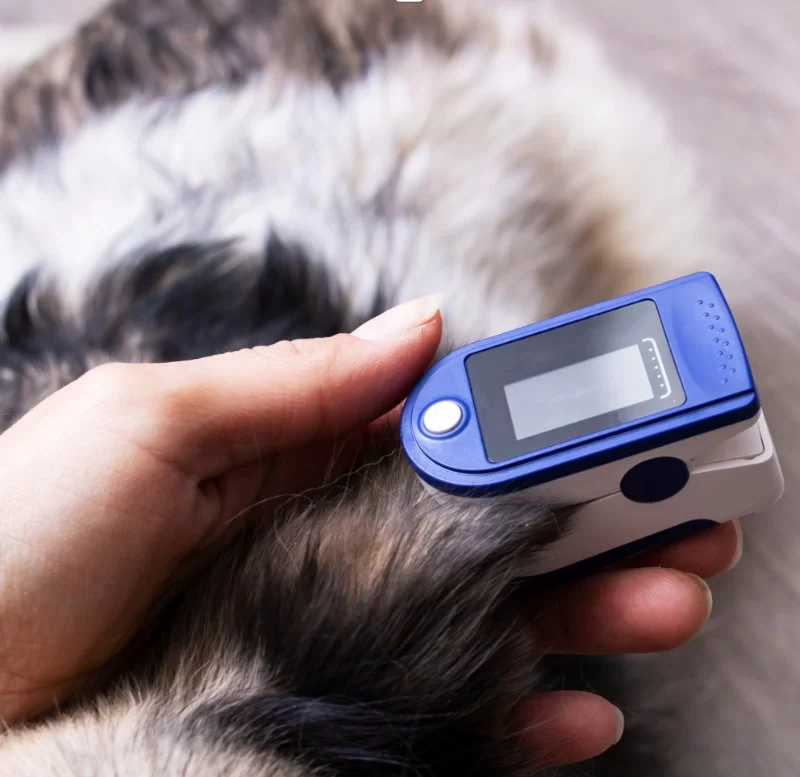
The heart rate of a pet can provide important clues about their overall health. A normal heart rate for dogs generally ranges from 60 to 120 beats per minute (bpm), while cats typically have a heart rate of 140 to 220 bpm. Larger dogs tend to have slower heart rates, while smaller dogs and cats usually have faster heart rates.
To check your pet's heart rate:
- For dogs, place your fingers on the inside of their thigh (just above the knee) where the femoral artery is located. For cats, you can check the heart rate by palpating the femoral artery as well, but it may be more easily felt under the front leg.
- Count the number of beats for 15 seconds and multiply by 4 to get the heart rate per minute.
If the heart rate is significantly above or below the normal range, or if it is irregular, it could indicate a problem. Arrhythmias or a rapid heart rate can be a sign of stress, anxiety, or a more serious heart condition.
How to Monitor Pet Respiratory Rate
Normal respiratory rate in pets typically ranges from 10 to 30 breaths per minute when at rest. Factors such as excitement, exercise, or illness can cause variations, so it’s important to monitor your pet when they are calm and relaxed.
To check your pet’s respiratory rate:
- Watch your pet’s chest rise and fall with each breath.
- Count the number of breaths for 30 seconds and multiply by 2 to get the respiratory rate per minute.
Note any irregularities such as labored breathing, shallow breaths, or coughing. If your pet is breathing rapidly, excessively panting, or seems to be struggling to breathe, it could indicate a respiratory infection, heart disease, or anxiety. In such cases, consult your vet immediately.
When to Seek Veterinary Help
If you notice any of the following signs, it’s important to consult a veterinarian as soon as possible:
- Persistent fever or low body temperature
- Irregular or extremely fast/sluggish heart rate
- Difficulty breathing or abnormal respiratory patterns
- Changes in behavior, such as lethargy or confusion
Even if you only notice one of these signs, it’s better to be cautious and have your pet examined by a professional. Timely intervention can prevent more serious health issues from developing.
Hidden Brook Veterinary Recommendations
If you're looking for expert advice or need assistance with monitoring your pet’s vital signs, Hidden Brook Veterinary offers the resources and services you need. From routine check-ups to specialized care, our team is here to support you in keeping your pet healthy and happy. Visit our website for more information on how we can help.