How to Create a Safe Space for Pets with Anxiety
1. Understanding Pet Anxiety
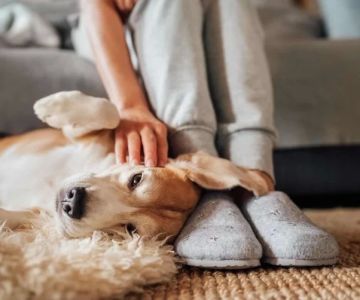
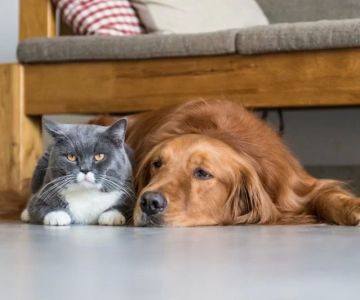
Just like humans, pets can suffer from anxiety, and it’s something many pet owners may not even realize their furry friends are going through. Anxiety in pets can manifest in various ways, including excessive barking, destructive behavior, hiding, or even self-harm. Whether your pet suffers from separation anxiety, noise-related fears, or general stress, creating a calm, safe environment for them can significantly improve their well-being. This article explores effective methods to create a safe space for pets dealing with anxiety and help them feel secure.

2. Signs of Anxiety in Pets
Before creating a safe space for your pet, it’s important to recognize the signs of anxiety. Each pet is unique, and anxiety can manifest in subtle ways, but common signs include:
- Excessive barking, whining, or meowing
- Destructive behavior, such as chewing furniture or clawing walls
- Hiding or withdrawing from social interaction
- Shaking, panting, or drooling excessively
- Litter box issues in cats or housebreaking problems in dogs
If you notice these behaviors in your pet, it might be a sign that they are dealing with anxiety, and it’s important to address their needs with care and patience.
3. Creating a Calming Environment
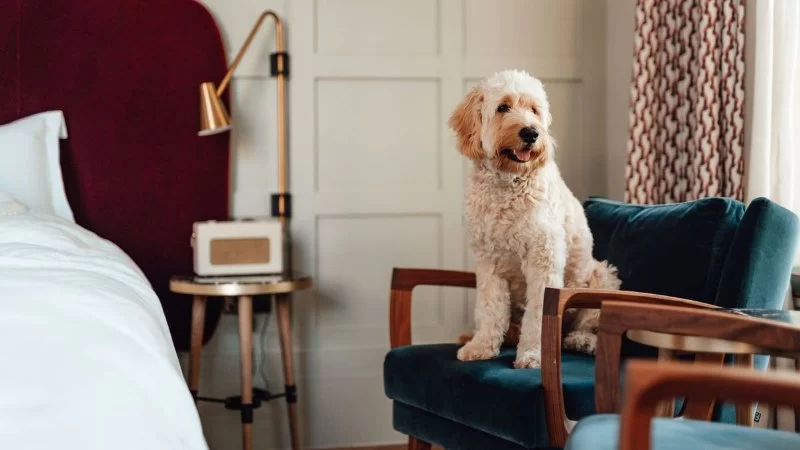
One of the first steps in helping a pet with anxiety is creating a calming environment. This space should be a sanctuary where your pet can retreat to whenever they feel stressed or overwhelmed. Here are some effective strategies to create a safe and calm space:
- Choose the Right Location: Select a quiet and comfortable area of your home where your pet can retreat to when they need peace. Ideally, this space should be away from heavy foot traffic, loud noises, or disruptions. If you have a dog, consider a crate or a small room they associate with comfort and security. For cats, a cozy bed or a cat tree placed in a quiet corner works well.
- Use Calming Products: There are many products on the market designed to help soothe anxious pets. These include calming sprays, pheromone diffusers, and calming collars. These products emit scents that mimic natural calming pheromones, helping to reduce stress and anxiety in pets.
- Provide Comforting Items: Pets often find comfort in familiar scents and objects. Place their favorite blanket, toy, or even a piece of your clothing in their safe space. The scent of familiar items can help create a sense of security.
- Soft Lighting: Bright, harsh lights can make your pet feel more anxious. Soft, ambient lighting helps create a more relaxing atmosphere. You can even consider using a dimmer light to adjust the brightness according to your pet’s needs.
4. Establishing Routine and Consistency
One of the most effective ways to reduce anxiety in pets is by establishing a routine. Pets thrive on consistency, and knowing when to expect meals, playtime, walks, or quiet time can help reduce stress. Here's how you can use routine to help your pet:
- Regular Feeding Schedule: Stick to regular feeding times. This helps your pet feel secure knowing when their next meal is coming. For pets with anxiety, unpredictability can be a source of stress, so consistency is key.
- Exercise and Play: Regular physical activity, like walks, fetch, or interactive play, can help burn off excess energy and release pent-up anxiety. Make sure to schedule playtime and walks at consistent times each day.
- Set Quiet Time: Establish a designated quiet time in the house where everyone calms down. This could be a great opportunity for pets to settle in their safe space and relax without distractions.
5. Utilizing Desensitization and Counterconditioning Techniques
For pets with specific anxieties, such as fear of loud noises or separation anxiety, desensitization and counterconditioning techniques can be very helpful. These techniques work by gradually exposing your pet to the thing they fear in a controlled and safe way, helping them become less sensitive to it over time. Here's how you can use these techniques:
- Gradual Exposure: If your pet is afraid of loud noises like thunder or fireworks, you can use a recording of these sounds at a low volume while they’re in their safe space. Gradually increase the volume as they become more accustomed to it, ensuring they stay calm throughout the process.
- Positive Reinforcement: Reward your pet with treats or affection when they show calm behavior in their safe space. This will help them associate the area with positive experiences, reinforcing the idea that it is a place of comfort and security.
6. Seeking Professional Help for Severe Anxiety
If your pet's anxiety is severe and doesn't improve with these methods, it may be time to consult with a veterinarian or a certified animal behaviorist. A professional can assess your pet's anxiety and recommend further interventions, such as behavioral therapy, medications, or other treatments that can help.
7. Conclusion: Prioritizing Your Pet’s Mental Health
Creating a safe space for pets with anxiety is an important step toward helping them feel more secure and comfortable in their environment. With patience, consistency, and the right tools, you can help reduce your pet's anxiety and provide them with a safe haven to relax and recharge. If you need further guidance or assistance, be sure to consult a veterinarian or pet expert. For more pet care advice and products, visit 【Hidden Brook Veterinary】, where we offer a range of trusted solutions for your pet's well-being.