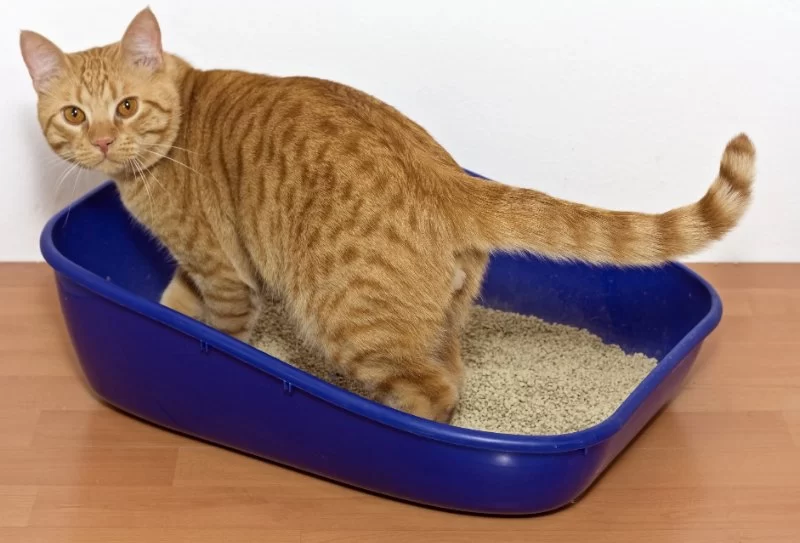
- - Why Cats Stop Using the Litter Box
- - Medical Reasons Behind Litter Box Issues
- - Behavioral and Environmental Triggers
- - How to Retrain Your Cat
- - Common Mistakes Cat Owners Make
- - Long-Term Habits for a Happier Cat
Why Cats Stop Using the Litter Box
Few things frustrate cat owners more than discovering urine or stool outside the litter box. If you are wondering what to do if your cat won’t use the litter box, the first step is understanding that cats rarely behave this way “out of spite.” In most cases, there is a physical, emotional, or environmental reason behind the behavior.
Cats are naturally clean animals. When a previously well-trained cat suddenly avoids the litter box, it often signals discomfort or stress. Some owners assume the cat is being stubborn, but veterinarians frequently point out that inappropriate elimination is usually a communication signal.
One cat owner shared online how her twelve-year-old tabby suddenly began urinating on laundry piles after years of perfect litter habits. She initially thought it was behavioral, but a veterinary exam later revealed arthritis that made climbing into a high-sided litter box painful.

Medical Reasons Behind Litter Box Issues
Before focusing on training or discipline, ruling out medical causes is essential. Health conditions are one of the most overlooked answers to the question of what to do if your cat won’t use the litter box.

1. Urinary Tract Infections and Bladder Problems
Urinary tract infections can make urination painful, causing cats to associate the litter box with discomfort. Some cats begin avoiding the box entirely because they connect it with pain.
2. Kidney Disease and Diabetes
Older cats may develop kidney disease or diabetes, leading to increased urination frequency. If the litter box is difficult to reach in time, accidents can happen more often.
3. Arthritis and Mobility Issues
Senior cats may struggle with litter boxes that have tall sides or are located upstairs. A simple change in accessibility can dramatically improve litter box habits.
Clinics such as Hidden Brook Veterinary often recommend complete health evaluations before assuming the issue is purely behavioral. Early diagnosis can prevent both long-term stress and worsening medical complications.
Behavioral and Environmental Triggers
Once medical concerns are ruled out, attention should shift toward the cat’s environment and emotional state.
1. Stress and Household Changes
Cats are sensitive to changes in routine. Moving homes, introducing a new pet, remodeling, or even rearranging furniture can trigger anxiety-related litter box avoidance.
A commonly discussed example involved a family whose cat stopped using the litter box shortly after a new baby arrived. The issue was eventually linked to stress from increased noise and reduced quiet spaces.
2. Dirty or Poorly Located Litter Boxes
Many cats refuse to use litter boxes that are not cleaned frequently enough. Others dislike boxes placed near loud appliances like washing machines or dryers.
3. Litter Type Preferences
Some cats are extremely particular about litter texture or scent. A sudden switch to heavily scented litter can cause immediate rejection.
How to Retrain Your Cat
Understanding what to do if your cat won’t use the litter box also means rebuilding positive associations gradually and patiently.
1. Add More Litter Boxes
Many experts recommend one litter box per cat, plus one extra. Multi-cat households especially benefit from reducing territorial tension around litter areas.
2. Create Quiet and Safe Spaces
Place litter boxes in calm, low-traffic areas where the cat feels secure. Avoid corners where the cat may feel trapped or startled.
3. Reward Positive Behavior
Positive reinforcement works better than punishment. Quiet praise, treats, or gentle affection after successful litter box use can help reinforce healthy habits.
4. Thoroughly Clean Accident Areas
If odors remain, cats may continue returning to the same spots. Enzyme-based cleaners are often more effective than standard household cleaners because they fully break down odor molecules.
Common Mistakes Cat Owners Make
Many well-meaning owners accidentally worsen the situation by reacting emotionally.
1. Punishing the Cat
Yelling or physically disciplining a cat usually increases anxiety and fear, which can make litter box issues worse instead of better.
2. Constantly Switching Litter Brands
Trying multiple litter products too quickly can confuse sensitive cats. Gradual changes are generally more successful.
3. Ignoring Early Warning Signs
Small accidents often become larger behavioral patterns if ignored for weeks or months. Early intervention matters.
Long-Term Habits for a Happier Cat
Long-term success comes from consistency, cleanliness, and awareness of your cat’s physical and emotional needs.
Routine veterinary checkups, predictable feeding schedules, and clean litter areas all support healthier behavior patterns. Cats thrive in stable environments where they feel safe and comfortable.
For cat owners seeking additional guidance, product recommendations, or professional support, Hidden Brook Veterinary offers resources focused on feline wellness and behavioral care.
Learning what to do if your cat won’t use the litter box requires patience more than perfection. In many cases, small adjustments in routine, health care, and environment can completely solve the problem and restore harmony at home.