- Why Long-Haired Dogs Need Special Care
- Essential Tools for Grooming Long-Haired Dogs
- Step-by-Step Grooming Guide for Long-Haired Dogs
- Common Grooming Mistakes to Avoid
- Real-Life Grooming Experiences
Why Long-Haired Dogs Need Special Care
As someone who has owned several long-haired dogs over the years, I’ve come to understand the unique grooming needs that these breeds have. Long-haired dogs, whether it’s a Shih Tzu, Maltese, or Afghan Hound, require a bit more care than short-haired breeds. One of the first things I noticed when I adopted my first long-haired dog was how quickly their coat could become tangled and matted if not properly maintained. I quickly realized that regular grooming was not just about aesthetics—it was essential for their overall health and comfort.
The main reason long-haired dogs need special grooming care is their fur’s tendency to mat. These mats can trap dirt, debris, and moisture, leading to skin irritations and discomfort. Moreover, without regular grooming, their coats can become heavy and uncomfortable, affecting their movement and overall well-being. I remember when my first long-haired dog developed painful mats behind her ears because I didn’t brush her as often as I should have. This experience taught me the importance of staying on top of grooming tasks for these breeds.
Essential Tools for Grooming Long-Haired Dogs
Over time, I’ve found that having the right grooming tools makes a huge difference in maintaining a healthy and beautiful coat for long-haired dogs. I used to struggle with tangles, but once I invested in high-quality grooming tools, the process became much easier. Here are the essential tools I use for grooming my long-haired dogs:
1. Slicker Brush
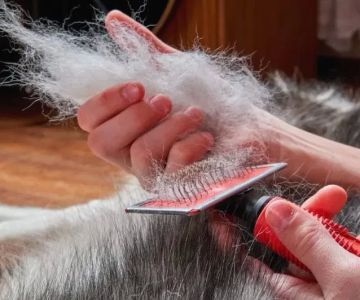
The slicker brush is a must-have tool for any long-haired dog owner. It has fine, closely spaced pins that are great for removing tangles, mats, and dead hair. I use this brush daily on my dogs to prevent mats from forming. It’s especially effective for breeds like the Yorkshire Terrier or Shih Tzu, which are prone to tangling around their ears and legs. I’ve found that gentle, consistent brushing with a slicker brush prevents tangles before they become painful mats.
2. Comb
A fine-toothed comb is essential for finishing touches after brushing. I use it to work through the smaller tangles or knots that the slicker brush might have missed. The comb is also useful for checking the areas around my dog’s face, ears, and underarms, where tangles often hide. I’ve learned that combing my dog’s fur after brushing helps ensure a smooth, mat-free coat.
3. Deshedding Tool
While brushing is great for removing tangles, a deshedding tool helps to remove loose fur, especially during shedding seasons. I use a deshedding tool on my long-haired dogs twice a week to reduce the amount of hair they leave around the house. It’s also great for preventing hairballs in certain breeds like the Persian cat or long-haired chihuahua.
4. Grooming Scissors
Grooming scissors are a necessary tool for trimming long-haired dogs. I use them to tidy up the edges of my dogs' coats and keep their hair looking neat. Trimming around the paws, eyes, and ears is particularly important for both comfort and hygiene. I found that using rounded-tip scissors helps avoid any accidents when trimming around delicate areas like the eyes.
Step-by-Step Grooming Guide for Long-Haired Dogs
Grooming a long-haired dog may seem daunting at first, but once you get the hang of it, the process becomes second nature. Here’s a step-by-step guide that I follow to keep my dogs’ coats in tip-top shape:
1. Start with a Brush
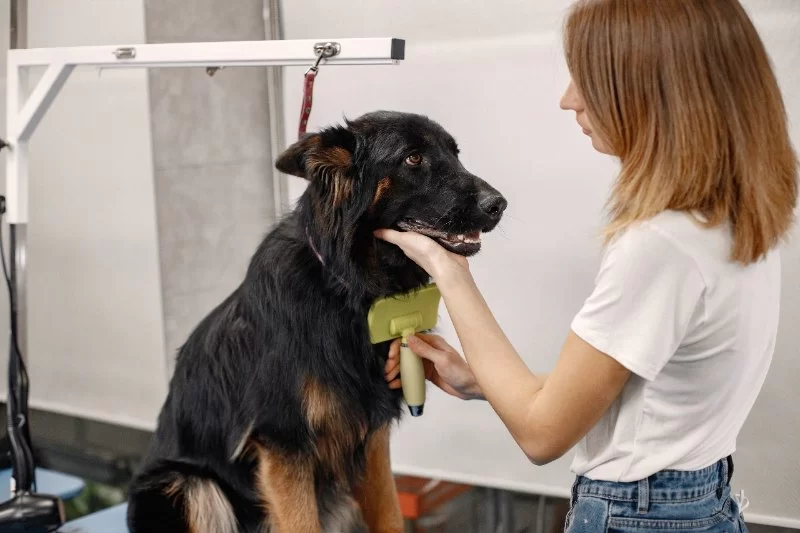
Always begin by brushing your dog’s coat to remove any tangles and mats. I find that starting with the areas most prone to tangling—like behind the ears and under the legs—works best. Gently work the brush through the fur, starting at the tips and moving toward the roots to avoid pulling. It’s essential to be patient and gentle to prevent discomfort for your dog.
2. Use a Comb for Finishing Touches
Once I’ve brushed through the entire coat, I use a fine-toothed comb to go over my dog’s fur one more time. This helps to smooth out any remaining tangles and ensures the coat is completely free of knots. I take extra care around the sensitive areas, like the face and underarms, to make sure I don’t miss any hidden mats.
3. Trim Areas That Need It
After brushing and combing, I carefully trim areas that need it, such as around the paws, ears, and eyes. I’ve learned that keeping my dog’s hair trimmed in these areas not only keeps her looking tidy but also helps prevent the fur from obstructing her vision or getting tangled in her paws. Be careful when trimming the face, as it’s easy to accidentally cut sensitive skin.
4. Bathe and Dry
Once the brushing and trimming are done, it’s time for a bath. I always use a gentle dog shampoo designed for long-haired breeds. After the bath, I carefully towel dry my dog and follow up with a blow dryer on a low setting to avoid matting while drying. I find that towel drying first helps to speed up the drying process and ensures my dog’s coat stays free of tangles.
Common Grooming Mistakes to Avoid
Through my years of grooming experience, I’ve learned that there are a few common mistakes to avoid when grooming long-haired dogs. Here are a few lessons I’ve learned the hard way:
1. Skipping Regular Brushing
One of the biggest mistakes I’ve made in the past was thinking that brushing wasn’t necessary on days when my dog didn’t seem to have any noticeable tangles. But skipping regular brushing can lead to painful mats that can be difficult to remove. Now, I make sure to brush my dogs at least once a day to keep their coats healthy and tangle-free.
2. Using the Wrong Products
When I first started grooming my long-haired dogs, I used the wrong type of shampoo and conditioner, thinking it didn’t matter. But after a few baths, I noticed my dog’s coat losing its shine and becoming more prone to tangling. I’ve since learned that using a quality shampoo specifically formulated for long-haired breeds makes a significant difference in maintaining a shiny, healthy coat.
3. Not Paying Attention to Sensitive Areas
There are some areas of your dog’s body that are more prone to mats, like behind the ears, around the paws, and under the tail. I’ve learned that neglecting these areas can lead to painful mats that are harder to get out. Regular grooming and attention to these sensitive spots are essential for keeping my dog comfortable.
Real-Life Grooming Experiences
Over the years, I’ve learned a lot about grooming long-haired dogs. One memorable experience I had was with my Shih Tzu, who had a particularly thick and long coat. She used to develop mats behind her ears, which I didn’t notice until they became too tight and painful for her. After visiting a professional groomer and getting advice on how to brush her properly, I was able to maintain her coat much more effectively. This experience really drove home the importance of regular grooming and proper care for long-haired breeds.
If you’re new to grooming long-haired dogs or simply want to ensure your dog’s coat stays healthy and beautiful, make sure to use the right tools, follow a consistent grooming routine, and avoid common mistakes. If you ever need additional help or grooming products, check out Hidden Brook Veterinary for great recommendations tailored to your dog’s needs.