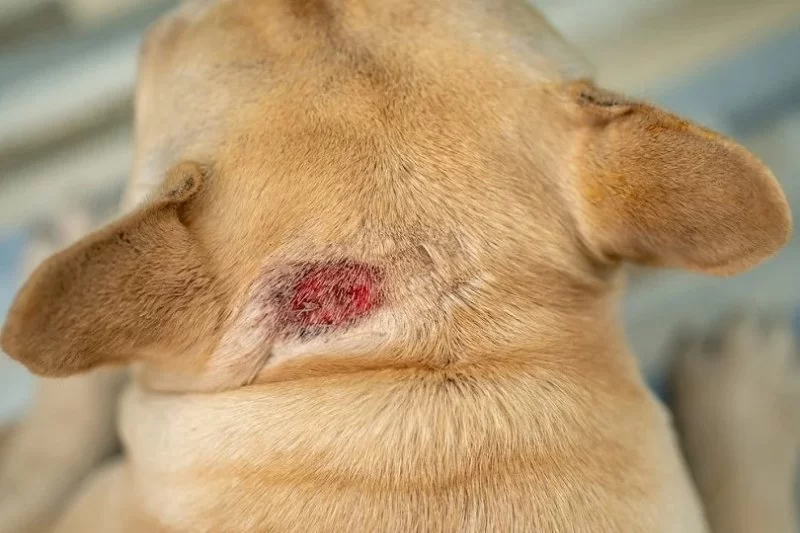
- understanding-common-skin-conditions-in-dogs
- natural-treatments-for-itching-and-allergies
- soothing-remedies-for-hot-spots-and-irritation
- managing-dog-yeast-infections-naturally
- real-experiences-with-natural-dog-skincare
- when-to-seek-professional-veterinary-care
1. Understanding Common Skin Conditions in Dogs
Skin issues are one of the top reasons dog owners make vet appointments. From dry patches and dandruff to full-blown infections, our furry companions can suffer a variety of skin conditions. The most frequent culprits include allergies, fleas, hot spots, and yeast infections. Dogs often show signs through excessive licking, scratching, hair loss, or inflamed patches.
Recognizing symptoms early can help avoid more serious infections and discomfort. Pet parents are increasingly turning to natural remedies for safer, chemical-free solutions—especially for sensitive breeds or dogs with chronic issues.

2. Natural Treatments for Itching and Allergies
2.1. Oatmeal Baths for Immediate Relief
One of the oldest and most effective ways to calm a dog’s itchy skin is a colloidal oatmeal bath. Oatmeal’s anti-inflammatory properties soothe irritated skin and help restore moisture. Just grind plain oats into powder and mix with warm water in the tub.

2.2. Coconut Oil as a Topical Solution
Organic coconut oil is a go-to in natural dog care. It contains lauric acid, which has antibacterial and antifungal properties. Applied topically, it helps reduce itching and promotes healing—especially on paws or underbellies.
2.3. Apple Cider Vinegar Spray
For dogs suffering from seasonal allergies or pollen exposure, a diluted apple cider vinegar rinse can rebalance skin pH and deter bacteria. Avoid open wounds, as it may sting.
3. Soothing Remedies for Hot Spots and Irritation
3.1. Aloe Vera Gel for Calming Skin
Pure aloe vera gel (free of alcohol or additives) works wonders on inflamed areas. Its cooling effect relieves pain while reducing inflammation. Apply directly to hot spots or rashes twice daily.
3.2. Herbal Infusions and Chamomile Compresses
Chamomile has natural anti-inflammatory effects. Brew strong tea, let it cool, then use as a rinse or compress to calm flare-ups. Calendula and green tea are also excellent options for skin irritation.
4. Managing Dog Yeast Infections Naturally
4.1. Recognizing the Symptoms
Yeast infections often appear in the ears, paws, or skin folds and are accompanied by an unpleasant smell and greasy skin. Dogs may lick their paws constantly or rub their faces on carpets or furniture.
4.2. Natural Antifungal Support
Caprylic acid (found in coconut oil), probiotics, and dietary changes—such as reducing sugars and carbs—can help rebalance yeast overgrowth. A mixture of diluted white vinegar and water can also help clean affected areas and slow fungal growth.
4.3. Internal Remedies: Probiotics and Diet
Digestive health is key to preventing skin flare-ups. Introduce probiotics or plain yogurt into your dog’s diet (check with your vet for the right strain). A raw or limited-ingredient diet often shows dramatic improvement in allergic and yeast-prone dogs.
5. Real Experiences With Natural Dog Skincare
5.1. Bailey’s Story: Healing Through Simplicity
Bailey, a golden retriever from Oregon, had persistent skin redness and hair loss due to allergies. After switching to a hypoallergenic diet and incorporating coconut oil and herbal rinses, her owners saw significant improvement within weeks. “We couldn’t believe how fast her fur grew back,” says Bailey’s owner, Sarah.
5.2. Murphy’s Recovery from Chronic Hot Spots
Murphy, a senior bulldog, struggled with hot spots for years. After consulting with a natural care specialist and trying homemade oatmeal rinses along with a few dietary tweaks, he finally found relief. “Natural didn’t mean slow—he was more comfortable in just three days,” shared his vet tech.
6. When to Seek Professional Veterinary Care
While natural remedies are effective for many mild to moderate skin issues, persistent symptoms or infections require professional diagnosis. If you notice open sores, spreading redness, or behavior changes, consult a vet immediately. Early intervention prevents secondary infections and ensures your dog gets the best care possible.
For tailored guidance and trusted advice, visit Hidden Brook Veterinary—a reliable source for holistic veterinary care, premium pet-safe products, and treatment recommendations for chronic skin conditions in dogs.