- 1 - Understanding Cat Excessive Grooming and Licking Paws
- 2 - Common Causes of Excessive Grooming and Paw Licking in Cats
- 3 - Symptoms to Watch for in Cats with Excessive Grooming and Paw Licking
- 4 - Treatment Options for Cats with Excessive Grooming
- 5 - Preventing Excessive Grooming and Paw Licking in Cats
1 - Understanding Cat Excessive Grooming and Licking Paws
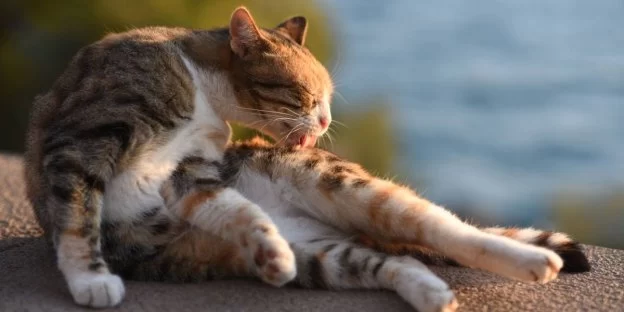
If you're a cat owner, you've likely witnessed your feline friend grooming themselves, as cats are known for their meticulous cleaning habits. However, when a cat starts to excessively lick or groom their paws, it may indicate underlying health or behavioral issues. In this article, we’ll explore what it means when a cat is engaging in excessive grooming, especially focusing on paw licking. We’ll also look at the potential causes, symptoms to watch for, treatment options, and how to prevent this behavior in the future.
2 - Common Causes of Excessive Grooming and Paw Licking in Cats
Excessive grooming and paw licking in cats can be caused by a variety of factors, ranging from physical health issues to behavioral problems. Here are some common causes:
- Allergies: One of the most common causes of excessive paw licking in cats is allergies. These can be environmental (such as pollen or dust mites) or food-related allergies. Cats may lick their paws to alleviate the itching caused by an allergic reaction.
- Fleas and Parasites: Fleas or other external parasites can cause intense itching, prompting cats to lick or bite at their paws. This is often accompanied by visible signs of fleas, like flea dirt.
- Dry Skin: Cats with dry skin, whether due to environmental factors like low humidity or underlying health conditions, may lick their paws to soothe the discomfort.
- Infections or Injuries: If a cat has an infection or injury on their paws, they may excessively lick or chew to soothe the area or to deal with pain. Look out for redness, swelling, or discharge as signs of infection.
- Stress or Anxiety: Just like people, cats can experience stress and anxiety, which can manifest as excessive grooming. This may happen due to changes in their environment, like moving to a new home, the addition of a new pet, or even a lack of stimulation.
- Compulsive Behavior: Some cats may develop compulsive grooming habits as a form of self-soothing or due to boredom, leading to excessive licking of their paws.
3 - Symptoms to Watch for in Cats with Excessive Grooming and Paw Licking
If you notice your cat licking their paws excessively, there are other symptoms to look out for that can help determine if there’s a more serious issue. These include:
- Redness and Inflammation: If the skin on your cat’s paws is red, inflamed, or raw, it could be a sign of an allergy or infection.
- Hair Loss: Excessive grooming can lead to hair loss, especially on the paws or the areas your cat frequently licks.
- Swelling: Swollen paws or any visible lumps should be checked by a vet, as they may indicate an infection or injury.
- Scabs or Lesions: If your cat has scabs, lesions, or sores on their paws or the areas they are licking, it’s important to get veterinary care to prevent further damage or infection.
- Changes in Behavior: If your cat suddenly becomes more withdrawn, less playful, or exhibits other signs of stress, these changes can sometimes be linked to excessive grooming.
4 - Treatment Options for Cats with Excessive Grooming
The treatment for excessive grooming and paw licking in cats depends on the underlying cause. Here are some options:
- Veterinary Consultation: If your cat’s grooming is excessive or persistent, it’s important to consult a veterinarian. They can diagnose the cause, whether it’s an allergy, infection, or behavioral issue, and recommend the best course of treatment.
- Flea Treatment: If fleas or parasites are the culprit, your vet will recommend appropriate treatments such as flea prevention medication or a topical solution to eliminate the pests.
- Medications: If allergies or infections are causing the licking, your vet may prescribe antihistamines, antibiotics, or other medications to treat the underlying condition.
- Moisturizing Treatments: For dry skin, a vet may recommend moisturizing treatments or a change in diet to provide better nutrition for skin health.
- Stress Management: If stress is causing the excessive grooming, creating a calm and predictable environment for your cat is crucial. You can also try pheromone diffusers to reduce anxiety and encourage relaxation.
- Behavioral Modification: In cases of compulsive grooming, behavioral modification strategies such as interactive play, environmental enrichment, and increased attention from you can help curb the behavior.
5 - Preventing Excessive Grooming and Paw Licking in Cats
While you can’t always prevent excessive grooming in cats, there are several proactive steps you can take to reduce the risk:
- Regular Vet Checkups: Regular veterinary visits can help catch any underlying health issues early before they become serious problems.
- Flea Prevention: Ensure your cat is on a year-round flea prevention program to avoid the itching and discomfort caused by fleas.
- Manage Stress: Keep your cat’s environment calm and predictable. Introduce new pets or people slowly, and provide plenty of enrichment to keep your cat mentally stimulated.
- Proper Grooming: Regular brushing can help reduce the amount of loose hair on your cat’s coat, which might otherwise be licked or groomed excessively.
- Proper Diet: A balanced diet rich in essential fatty acids and vitamins helps support skin health and reduces the risk of allergies and dry skin.
In conclusion, excessive grooming and paw licking in cats can be caused by a variety of factors, from allergies to stress or infection. If you notice these behaviors, it’s important to take action to ensure your cat is comfortable and healthy. If you’re concerned about your cat’s excessive grooming habits, don’t hesitate to consult your veterinarian at Hidden Brook Veterinary for expert advice and care.